
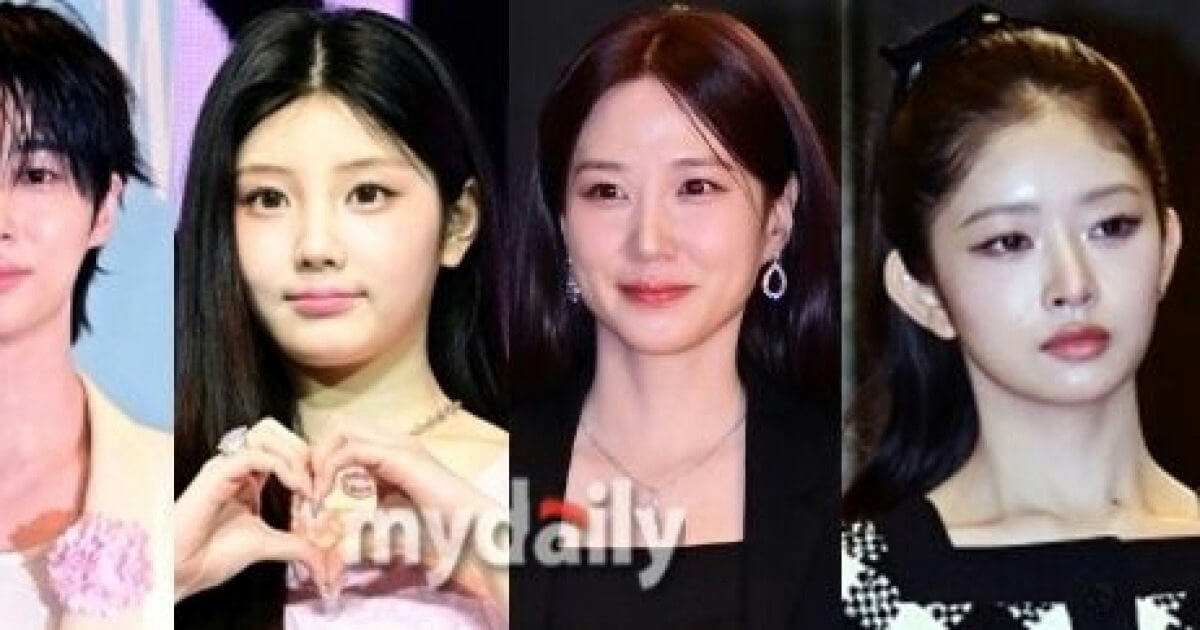
“What if everyone had done what Byun Woo-seok and Wonhee did? Or said what Park Eun-bin and IVE’s Rei did?”
This was the rhetorical question posed by Korean netizens and media alike, following the controversial execution of W Korea’s “Love Your W 2025” campaign.
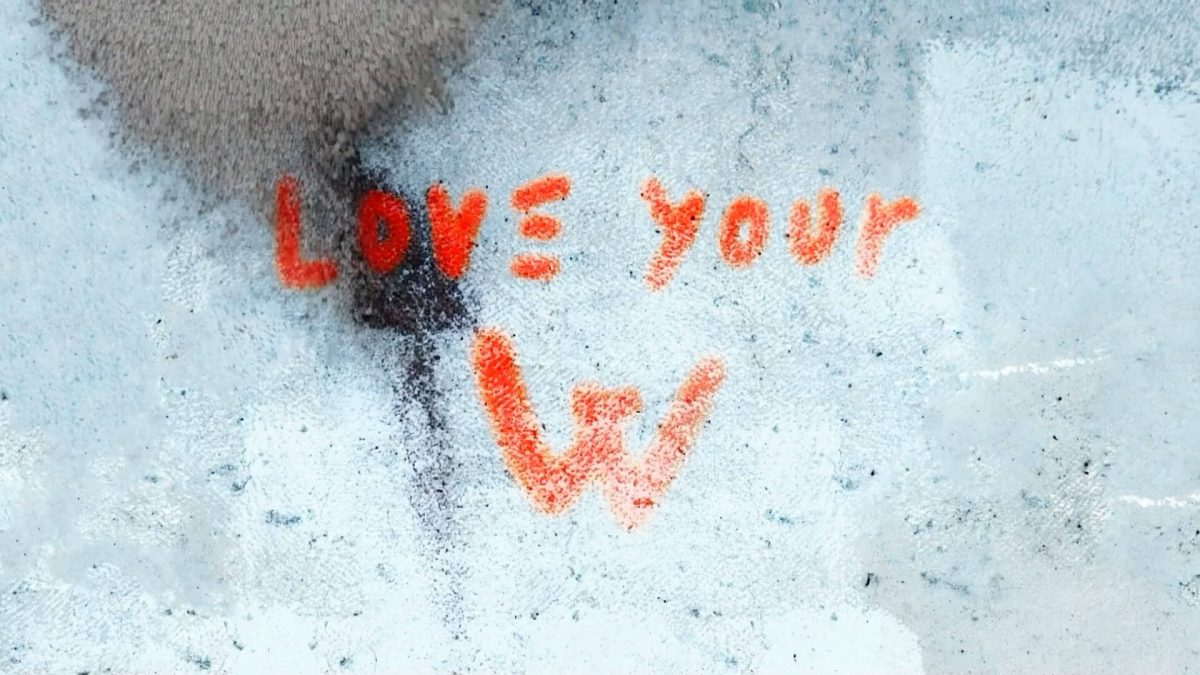
The campaign, intended to raise awareness for breast cancer, is facing severe backlash for veering far from its original purpose. Held on October 15, the event appeared more like a celebrity-studded fashion gala than a public health initiative.
No pink ribbons. No clear dress code. No core message.

That’s how critics described the scene. Social media was filled with high-fashion snapshots, glowing lights, and champagne glasses—but hardly any visible indicators of a breast cancer awareness campaign. Instead of pink symbolism or advocacy messaging, the event leaned heavily into a red-carpet vibe.

The most jarring moment came when singer Jay Park performed his explicit hit “Mommae” , clashing starkly with the campaign’s supposed focus on women’s health. He later issued an apology, but the damage was done. Notably, W Korea has yet to release any statement.
In the absence of clear direction from organizers, the responsibility appeared to fall on the celebrities themselves. And here, the contrast was stark.
Byun Woo-seok , for example, attended in a tuxedo adorned with a pink floral accent—his own nod to the cause. ILLIT’s Wonhee spoke directly after her stage performance: “Please don’t ignore even the smallest symptoms. Start with early checkups.”


IVE’s Rei went a step further: “Though it’s not exactly the same, I’ve experienced pain too. I studied the campaign before attending, and I hope awareness grows.”
Their brief comments resonated. They weren’t grand gestures—but they showed thoughtfulness, intention, and awareness.
Meanwhile, silence from other celebrities has sparked mounting criticism, even leading to unfair scrutiny. Netizens dissected afterparty videos—like Winter and V chatting, or Giselle stumbling due to oversized heels —and framed them as signs of inappropriate behavior, even though most clips were from the afterparty, not the main event.
Amid growing concerns, W Korea’s donation history was also brought under the microscope. While it claimed to have raised over 1.1 billion KRW since the campaign began, reports revealed that only about 300 million KRW was officially delivered to the Korea Breast Health Foundation over 17 years. Transparency questions arose, especially as celebrities reportedly received no appearance fees for attending.
This begs the question: was this truly a campaign for breast cancer awareness—or a branded social affair masquerading as one?
A structural failure, not an individual fault
It’s easy to place blame on celebrities who said nothing. But fundamentally, the responsibility lies with W Korea , which failed to provide structure, clear messaging, or even symbolic direction. When public figures attend a campaign without being properly briefed, they risk becoming mere decorations for an empty spectacle.

And yet, as this case shows, even a small act of awareness—like wearing a pink flower or saying one heartfelt line—can make all the difference. If all attendees had done what Byun Woo-seok and Wonhee did, or said what Park Eun-bin and Rei said, the outcome might have been different.
But the real lesson here? Campaigns must be built to make that possible. Without structure, clarity, or accountability, even the most glamorous events fall flat—leaving behind only confusion and criticism.
Sources: MyDaily,DongA Ilbo,Korea Daily,Women News,Daum
You must be logged in to post a comment.