

Singer and actress IU and aespa member Ningning have taken a tougher stance against online harassment by directly identifying accounts they claim are responsible for malicious posts. Rather than issuing general warnings about pursuing legal action without leniency, both stars are now targeting specific accounts and attempting to uncover the identities of their operators.
On July 15, IU’s legal team filed a discovery request with the U.S. District Court for the Northern District of California, seeking information from Meta to identify the operator of a specific Threads account before pursuing a defamation lawsuit in South Korea.
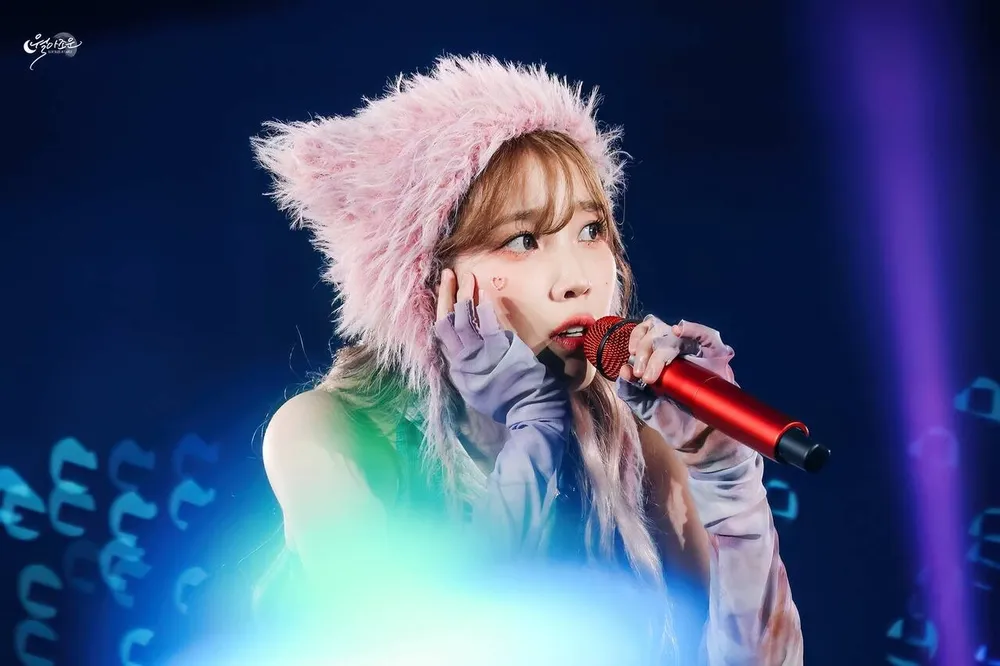
According to the filing, IU’s representatives asked the court to order Meta to disclose information associated with the account, including the user’s name, address, phone number, email address, and IP logs. The application alleges that the account published 52 posts about IU between March and October of last year. The posts were categorized into six types, including plagiarism allegations, distorted claims about her overseas achievements, and accusations involving so-called “marketing using the deceased.”
Ningning took an even more direct approach. On July 22, the aespa member publicly called out two Weibo accounts that were allegedly responsible for posting malicious content, warning them, “Prepare to be sued.”
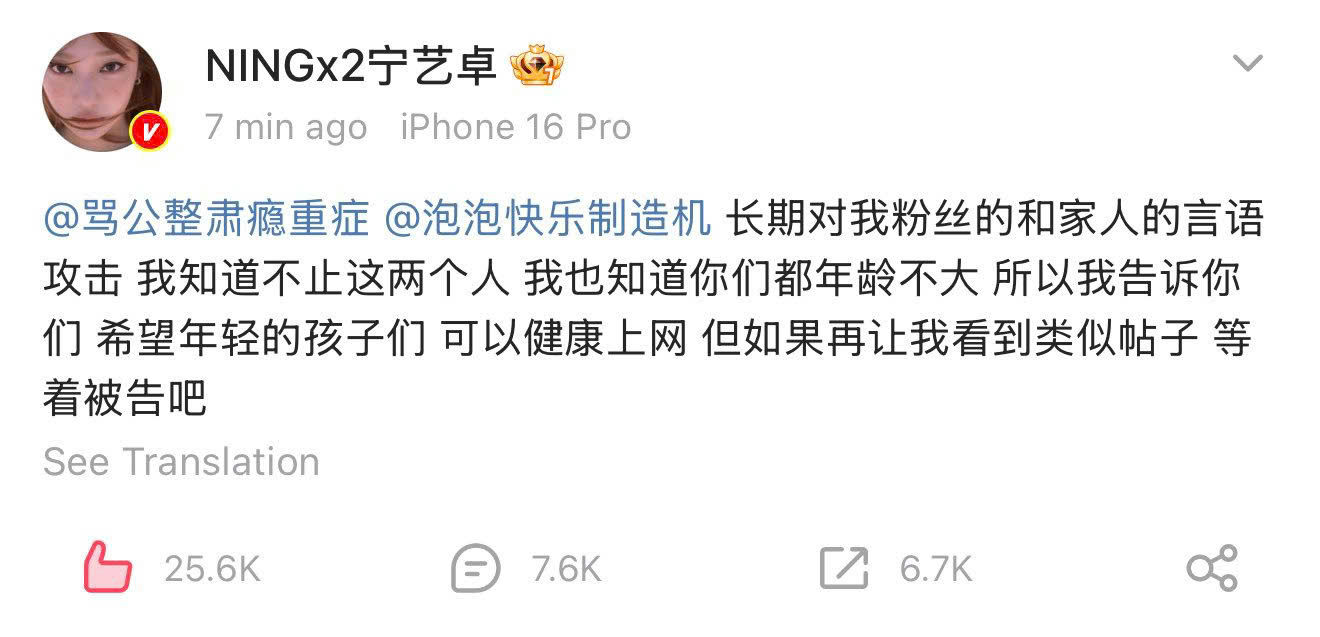
She further claimed that the accounts had repeatedly targeted not only herself but also her family and fans. Ningning urged users to behave responsibly online and stated that she would pursue legal action if the harassment continued.
While IU has quietly turned to the U.S. legal system to trace an anonymous account, Ningning chose to publicly identify the alleged offenders and issue an immediate warning herself.
One of the most notable precedents for this strategy is IVE member Jang Won Young. Together with her agency, Starship Entertainment, she used U.S. federal court discovery procedures to identify the operator of the controversial YouTube channel Sojang. After obtaining subscriber information from Google, the agency pursued both civil and criminal legal action in South Korea, ultimately securing damages and a criminal conviction.

Following the success of Jang Won Young’s case, it has become increasingly clear that anonymous users on overseas platforms can also be identified through international legal procedures. IU is now utilizing the same system to obtain the identity of the Threads account operator. Meanwhile, Starship Entertainment recently revealed that it is also working with international authorities and pursuing warrants to identify individuals behind malicious posts on X and Korean online communities.
The latest cases reflect a significant shift in how celebrities respond to online abuse. Rather than issuing broad warnings, agencies and artists are now identifying specific accounts and posts while requesting user information held by overseas platforms. The message is also clear: deleting an account or switching it to private may not prevent legal responsibility if evidence and access records have already been preserved.
However, requesting identity information or identifying an account does not automatically establish wrongdoing or guarantee criminal punishment. Even so, the actions taken by IU, Ningning, and Jang Won Young demonstrate that celebrities are adopting far more concrete and proactive strategies to pursue those who hide behind anonymous accounts to spread malicious content online.
Sources: Daum
You must be logged in to post a comment.