
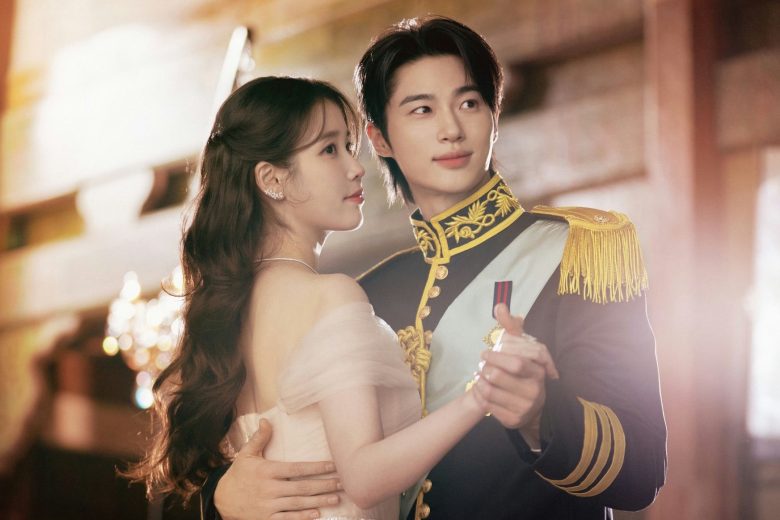
MBC’s hit Friday-Saturday drama Perfect Crown continues to face intense criticism even after its finale aired.
Although the series achieved its highest ratings during the final episode and dominated buzz rankings throughout its run, the drama ultimately became overshadowed by controversies involving acting criticism, historical distortion allegations, and public apologies from its lead actors. Discussions have now escalated to the point where some viewers are even calling for the drama to be “scrapped entirely.”
According to Nielsen Korea, the drama’s final episode, which aired on May 16, recorded a nationwide rating of 13.8%, marking the show’s highest viewership. Before its premiere, the series attracted enormous attention thanks to the star-powered casting of IU and Byeon Woo Seok, combined with a reported production budget of approximately 30 billion KRW.
However, public reaction quickly shifted after the broadcast began.
Viewers initially criticized the lead actors’ performances as well as the drama’s storytelling and character setup. As the series progressed, historical accuracy became the center of debate, pushing the controversy to a much larger scale.
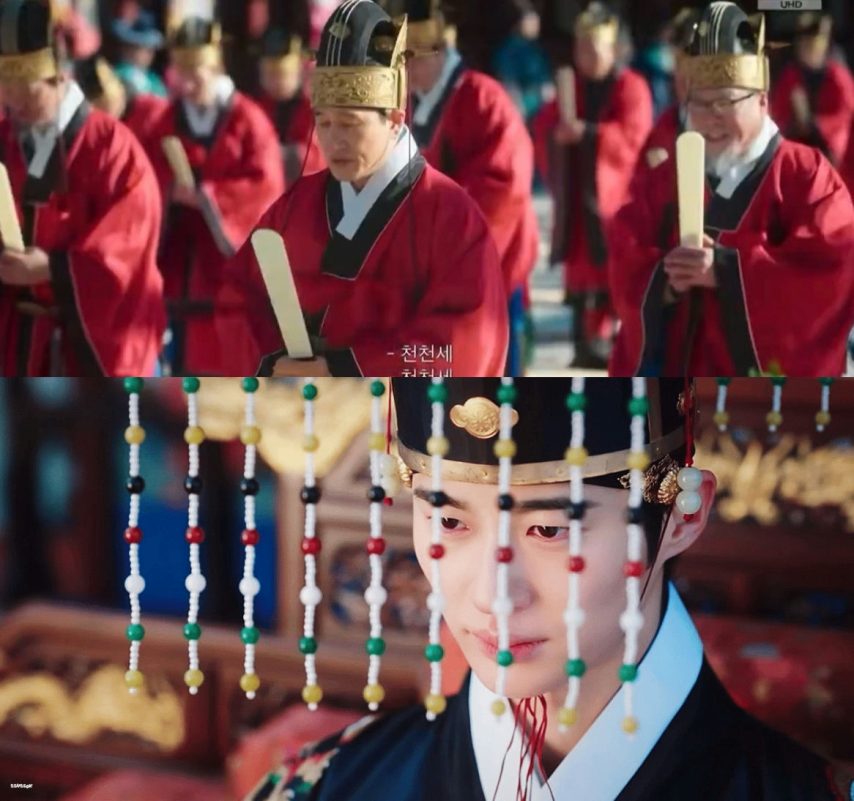
One of the biggest issues involved the coronation scene of Prince Ian, played by Byeon Woo Seok. Critics pointed out that the use of the guryumyeonryugwan crown and the expression “Cheonse” carried symbolism inconsistent with Korea’s historical monarchy traditions. Some viewers even connected the controversy to concerns surrounding China’s so-called Northeast Project, arguing that the drama could contribute to distorted perceptions of Korean history abroad.
Additional criticism emerged after tea ceremony scenes were accused of borrowing heavily from Chinese cultural aesthetics.
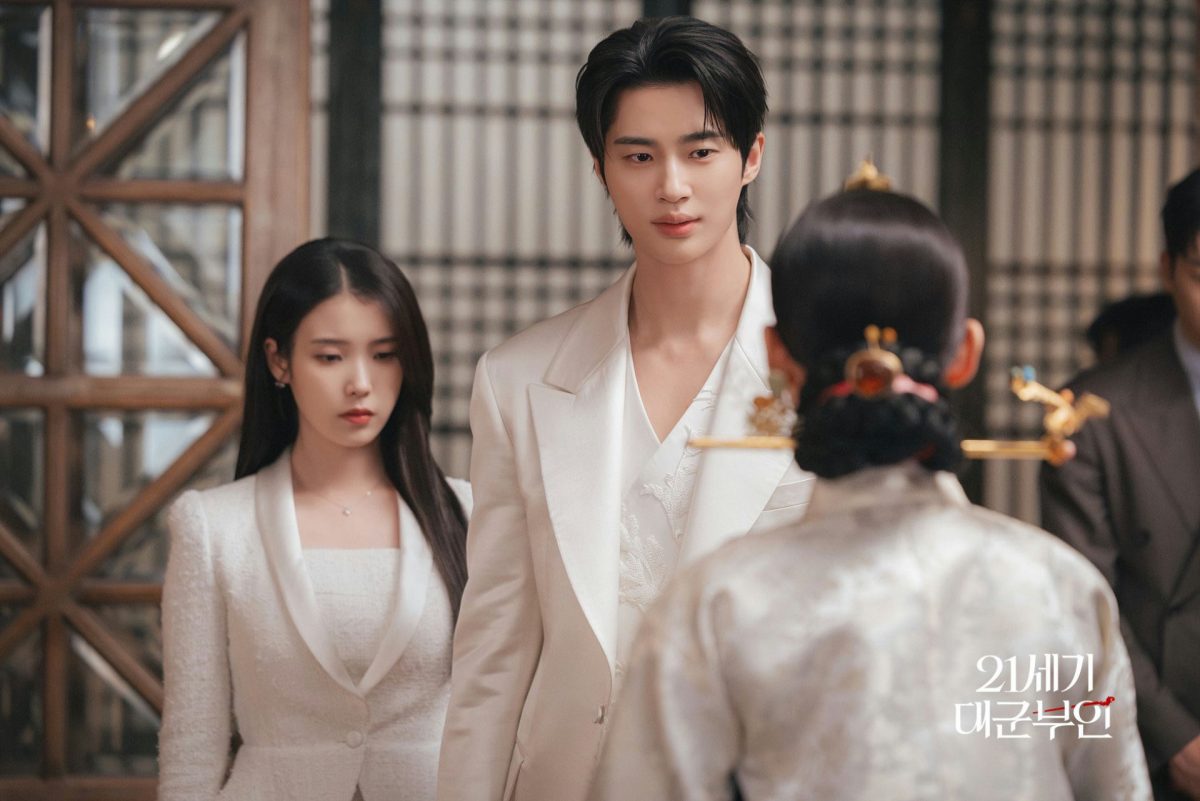
The production team later released an apology through the drama’s official website, stating, “We sincerely apologize for causing concern regarding the world-building and historical research aspects of the series.” Some controversial scenes were reportedly edited following the backlash.
The controversy eventually spread to the cast members themselves.
“As the lead actress of this production, I am sorry for not showing a more responsible attitude,” she stated. “I regret not thinking more deeply about the historical context and significance.”
Byeon Woo Seok also addressed the controversy, saying, “I lacked sufficient consideration for how the drama’s message could be interpreted. I learned that actors must also take responsibility for the meaning and context of the projects they participate in.”
Meanwhile, actor Lee Jae Won reportedly canceled scheduled post-finale interviews, while his agency stated that they were taking the controversy “very seriously.”

The backlash intensified further after Korean history lecturer Choi Tae Sung publicly criticized the production on social media.
“Another historical distortion controversy. At this point, are we goldfish?” he wrote. “Why are production companies willing to spend billions on actor salaries but hesitate to invest in proper historical research?”
He also emphasized the need for a formal historical verification system for period and history-based productions.
However, one of the biggest criticisms currently surrounding the drama is directed toward writer Yoo Ji Won. While the lead actors publicly apologized and addressed viewers directly, the writer behind the drama’s script and fictional world-building has yet to release any official statement.
As a result, criticism toward the production continues to grow online.
Despite ending with strong ratings, Perfect Crown has left behind a much larger debate regarding the responsibilities of K-content creators in the global streaming era — particularly when handling Korean history and cultural representation for international audiences.
Sources: 네이트 뉴스
You must be logged in to post a comment.