

Yang Zi has taken swift legal action after her likeness was allegedly used without permission in an AI-generated short drama, sparking widespread concern over the misuse of deepfake technology in the entertainment industry.
The controversy erupted when a viral AI-produced series titled After Rebirth I Became the Wife of the Guardian featured a female character whose face closely resembled Yang Zi. In episode 14, viewers pointed out that the character appeared to replicate the actress’s facial features, triggering intense debate across Chinese social media platforms.
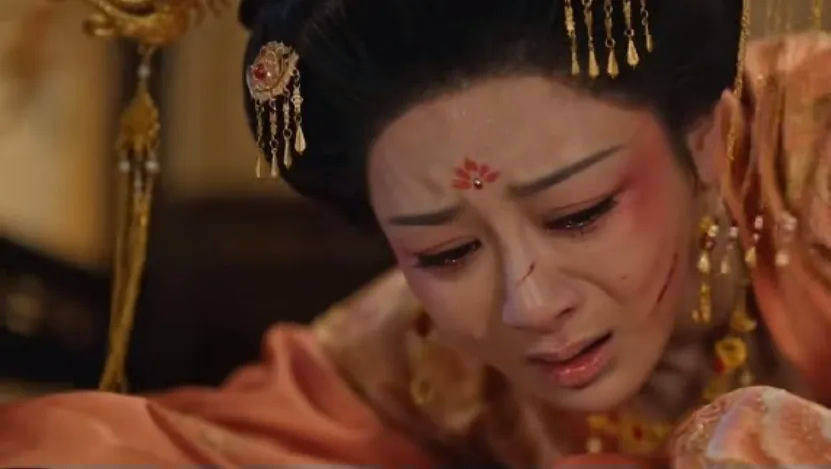
In response, Yang Zi’s agency released an official statement confirming that certain productions had “unauthorizedly used face-swapping and deepfake technology to create and გავრცელ content containing the artist’s image without consent.” The agency emphasized that such actions constitute a serious violation of legal rights and announced that lawyers have been appointed to collect evidence and pursue the matter to the end.
The controversial video has since been removed, but the incident reflects a growing trend rather than an isolated case. Since early 2026, China’s AI short drama market has rapidly expanded, allowing producers to generate content at low cost without traditional filming processes. However, this convenience has also led to increasing legal and ethical issues.
Notably, Xiao Zhan has reportedly faced similar situations, with his face allegedly used in multiple AI-generated productions without authorization. These cases highlight how advanced AI tools can now recreate or even blend celebrity features using data from various sources.
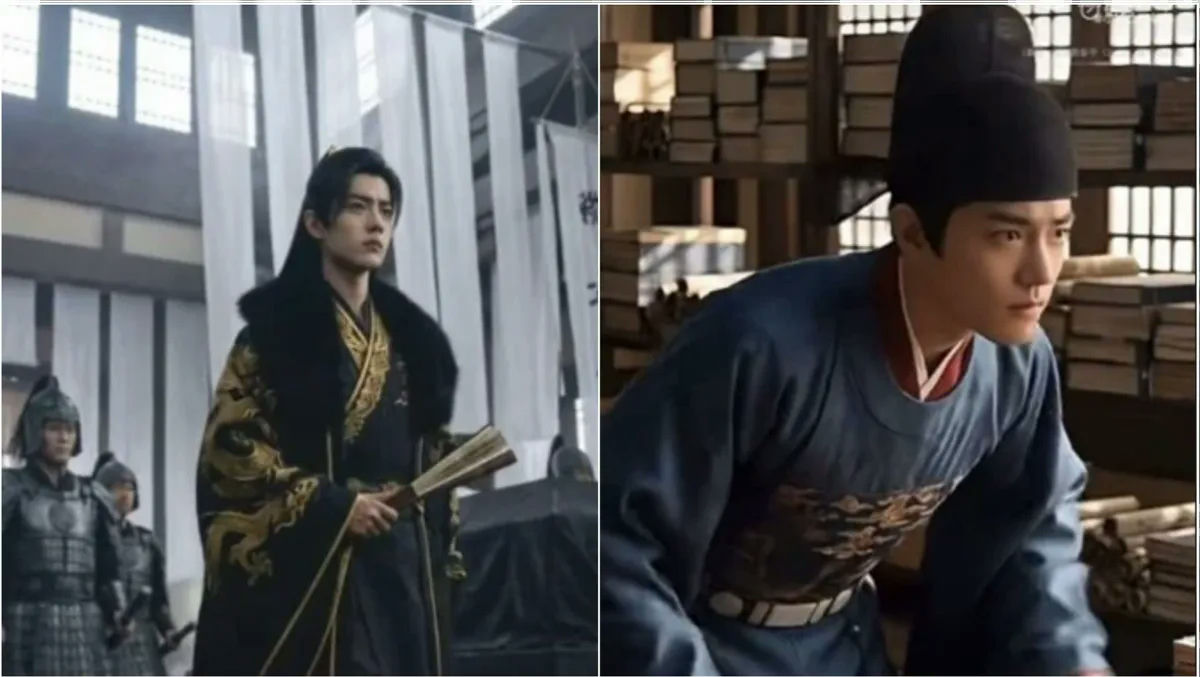
Experts warn that determining violations of portrait rights does not depend solely on exact similarity but on recognizability. If the public can identify a specific individual from an AI-generated face, there may be sufficient grounds for legal infringement. In Yang Zi’s case, the AI character reportedly displayed inconsistent facial expressions—sometimes closely resembling her, other times appearing as a composite of multiple faces—suggesting the use of aggregated image data.
Under Chinese civil law, individuals hold rights over their likeness, and unauthorized use can result in legal consequences. However, enforcement remains challenging, as the cost of pursuing legal action often outweighs the penalties imposed on violators.
The incident has reignited calls for stricter regulation of AI-generated content. Industry experts are now urging the development of digital image licensing systems, allowing individuals to control how their likeness is used. At the same time, platforms are being pressured to strengthen moderation, particularly for content involving deepfake technology.

Yang Zi’s decisive response signals a broader shift among public figures, who are increasingly willing to take strong legal measures to protect their image in the rapidly evolving AI era.
Sources: Netizenbuzz
You must be logged in to post a comment.