
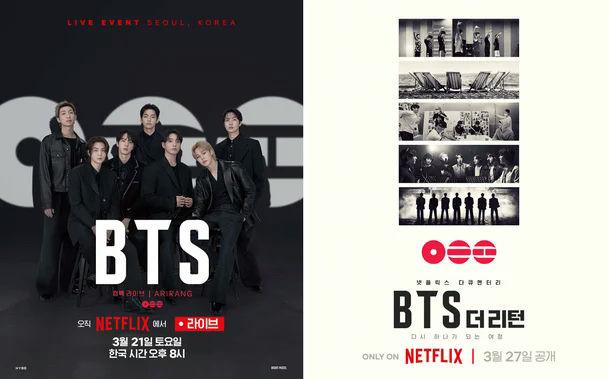
On March 21 at 8 PM, global K-pop group BTS will hold a comeback live concert at Gwanghwamun Square in Seoul. Fans in Korea and around the world have eagerly awaited the event. However, questions are being raised about the public interest and civic impact of hosting such a large-scale performance in a major public space.
Through this concert, HYBE is expected to generate substantial direct and indirect profits, including broadcasting rights fees from Netflix, sponsorship deals, merchandise sales, album and digital music revenue, and future world tour ticket sales. The event is also likely to positively influence the company’s stock price and overall corporate value.
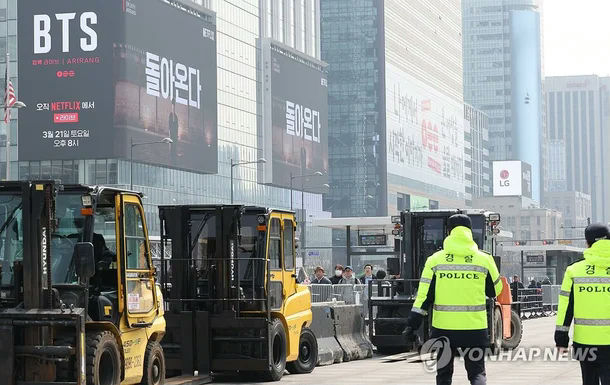
Netflix, which secured exclusive global streaming rights, stands to benefit significantly by attracting new subscribers interested in watching the concert. The platform can expand its global user base, increase advertising revenue, and strengthen its brand value while establishing a foothold in the live music streaming market. In the long term, it may also profit from content IP, including documentaries and concert films derived from the event.
The Seoul Metropolitan Government, which approved the use of the venue, is expected to gain economic benefits through increased tourism, as international visitors spend on hotels, restaurants, and shopping. The event also reinforces Seoul’s image as a global tourism hub and the center of K-pop culture.
Ultimately, the concert appears to be the result of aligned interests among these three parties. However, critics argue that the citizens who are the true owners of Gwanghwamun Square have been largely overlooked in the decision-making process.

The core issue lies in the use of a public space for what is essentially a private event. Hosting the concert requires deploying thousands of police officers and hundreds of firefighters, funded by taxpayer money. Additionally, access to nearby cultural sites such as palaces and museums will be restricted, and subway trains may pass through stations without stopping, causing significant inconvenience to the public.
Between March 16 and 21, the Jongno Police Station issued restrictions on protest permits submitted by civic groups planning gatherings near Gwanghwamun Square. While BTS’s global reputation contributes to promoting Korea internationally, some civic organizations argue that prioritizing private interests over constitutional rights such as freedom of assembly is difficult to justify.

Despite the scale of the event, only a limited number of ticket holders and Netflix subscribers will be able to watch the concert. This decision has been criticized for favoring the interests of a few stakeholders while excluding the majority of Korean citizens, including many domestic fans. The fact that the concert is free further complicates the issue, as there is no direct revenue-sharing mechanism that could benefit the public.
Given these circumstances, critics argue that Seoul’s administrative approval is problematic. At minimum, the city should have required broader public access to the event, ensuring that not only fans but also general citizens could watch the concert. Such a condition would represent a basic “give-and-take” agreement balancing public and private interests.

A more appropriate approach, some suggest, would have been conditional approval allowing at least one terrestrial public broadcaster to air the concert alongside Netflix, ensuring wider accessibility for local audiences. The decision to grant extensive support and privileges for a private profit-driven event in a public space has led to calls for accountability, including criticism of both the Seoul Metropolitan Government and the Ministry of Culture, Sports and Tourism for failing to properly coordinate.
Netflix’s exclusive broadcast of the BTS concert is also expected to have a significant impact on both domestic and global OTT markets. The platform has already expanded beyond films and dramas into entertainment, gaming, and sports content, gradually dominating the global media landscape. However, live music has remained relatively untapped until now.

By exclusively streaming a live performance from one of the world’s biggest K-pop groups, Netflix is positioning itself to enter the live music market. If successful, this could pave the way for a future where major global concerts are primarily distributed through Netflix, solidifying its role as a leading concert platform.
As a result, Netflix may further strengthen its dominance across all content genres, potentially sidelining competing OTT services both in Korea and globally.
While the concert may help revitalize the domestic live performance scene, concerns remain that the majority of profits from K-pop live events could increasingly flow to Netflix. This raises parallels with the current dependency on Netflix for original content production.

BTS’s contributions to the global spread of K-culture are undeniable, and continued support from both central and local governments is important. However, this case highlights the need for greater consideration of public interest and accessibility. Future large-scale events must prioritize citizens’ rights to access and enjoy cultural content, ensuring a more balanced approach between public good and private gain.
Sources: Mediaus
You must be logged in to post a comment.