
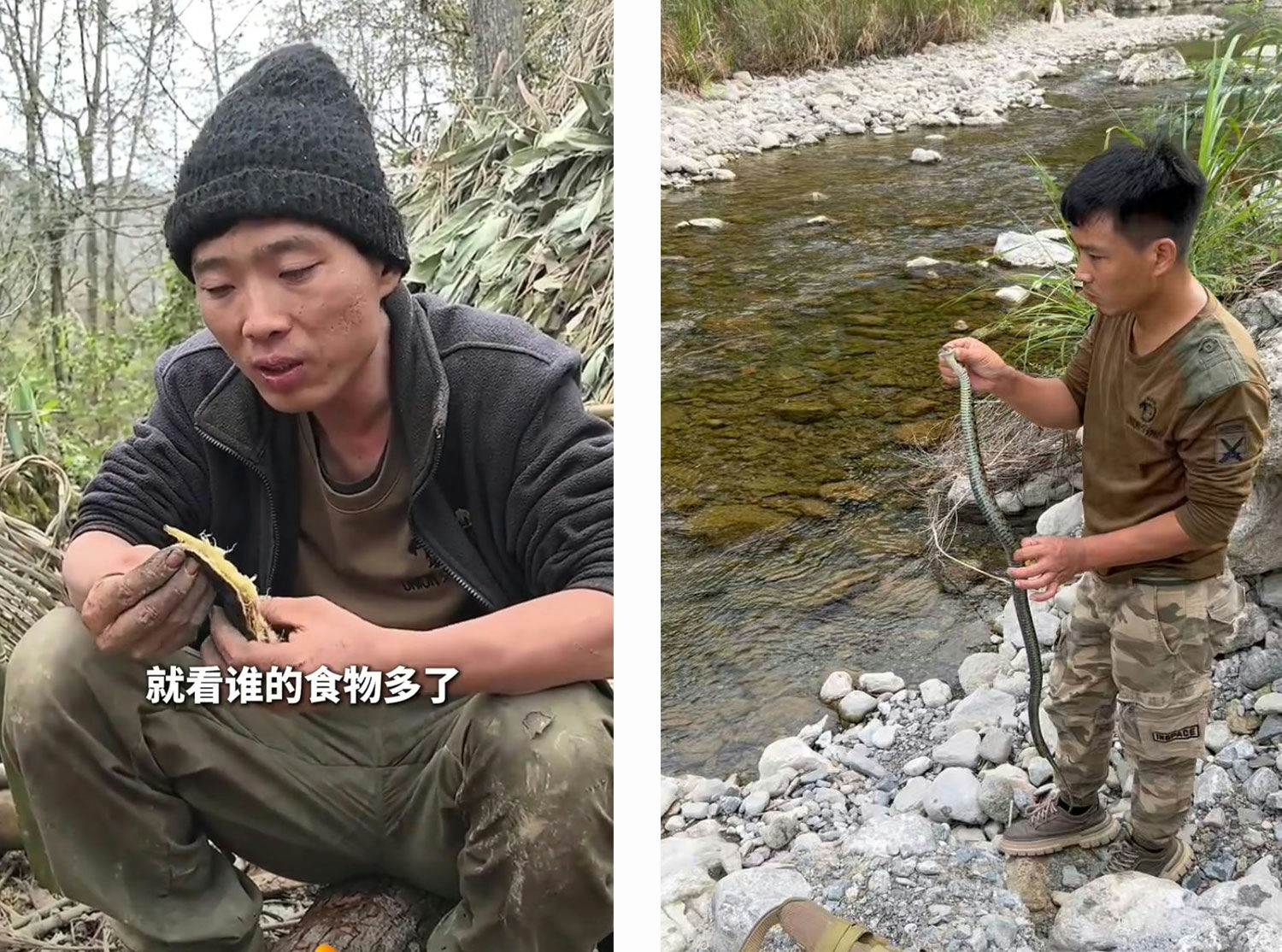
A rugged survival competition in China has gone viral nationwide not because of polished editing or scripted drama, but precisely because it has none of those things. In an era dominated by perfectly curated social media clips and heavily produced television shows, Camel Cup has emerged as a cultural sensation by stripping survival down to its rawest form: endurance, chance, and the boundary of human limits.
Season 2 of the show premiered on Douyin just weeks ago, and clips of contestants trembling as they build night fires, cheering at the discovery of wild roots, or sharing a scrap of wild kiwi are now everywhere on social media. With hundreds of millions of views, Camel Cup has become a social phenomenon, according to Sixth Tone.
The key question is why a low‑budget, amateur survival contest, often shot on smartphones, has captured widespread attention and why it provokes both empathy and concern over the line between entertainment and real danger.
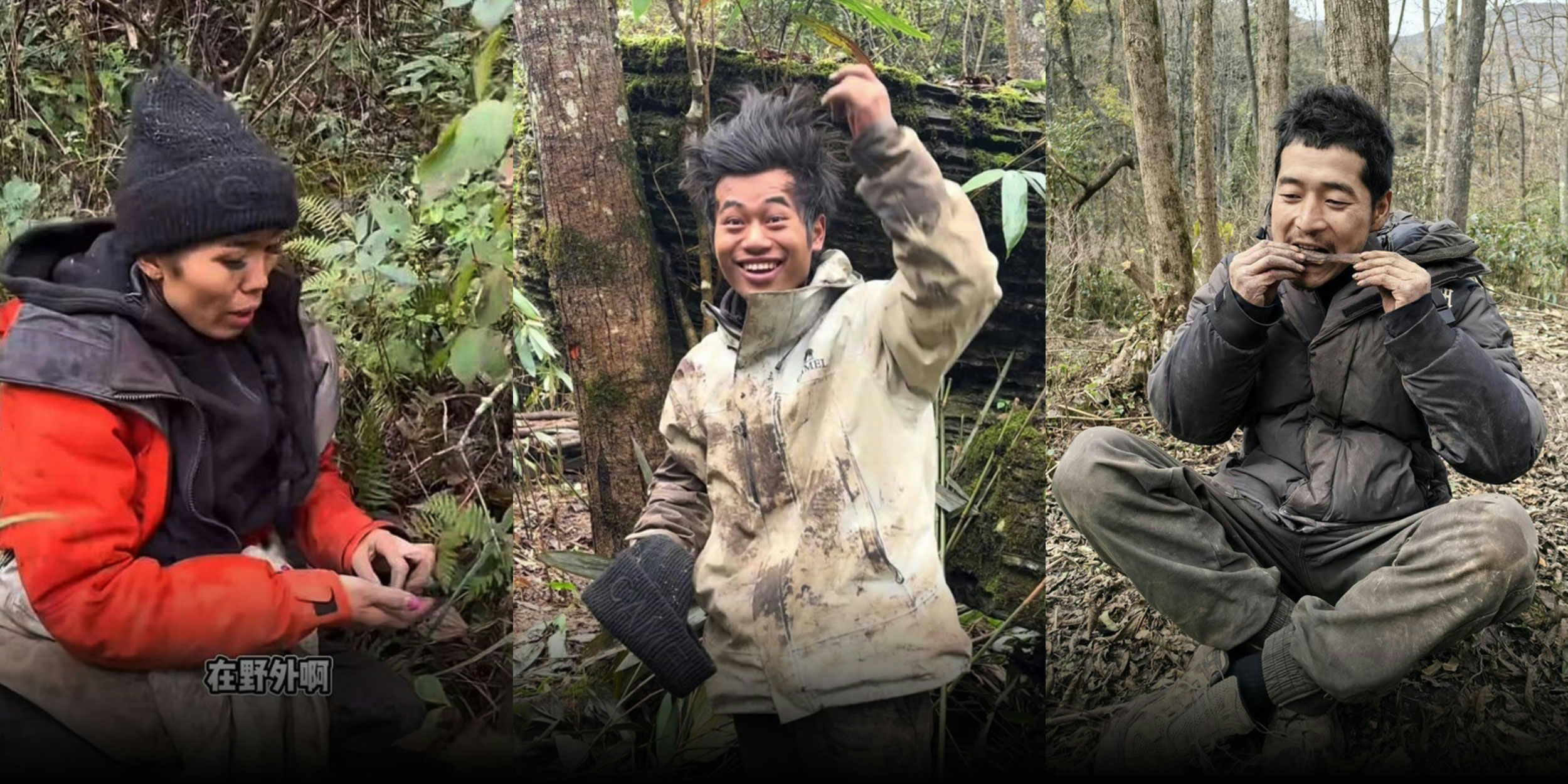
Known as one of the most “extreme” survival shows in China, Camel Cup takes place deep in the mountains of Hunan Province, in the Zhangjiajie National Forest Park. One hundred contestants are dropped into the wilderness with only a machete and a few basic survival tools. The goal is simple yet brutal: whoever lasts longest wins 200,000 yuan (over $28,000). Only eight contestants remain in the current season.
Among them is Huang, a former sugarcane farmer from Guangxi, who survived 17 days living in a bamboo‑built shelter made entirely from forest materials. Drawing on childhood experience, he quickly stood out identifying edible roots and fruits, building fences and swings, and using the last light of day to find firewood. “I grew up around dry wood, streams, and forest fruits. It’s not survival training it’s just habit,” he said.
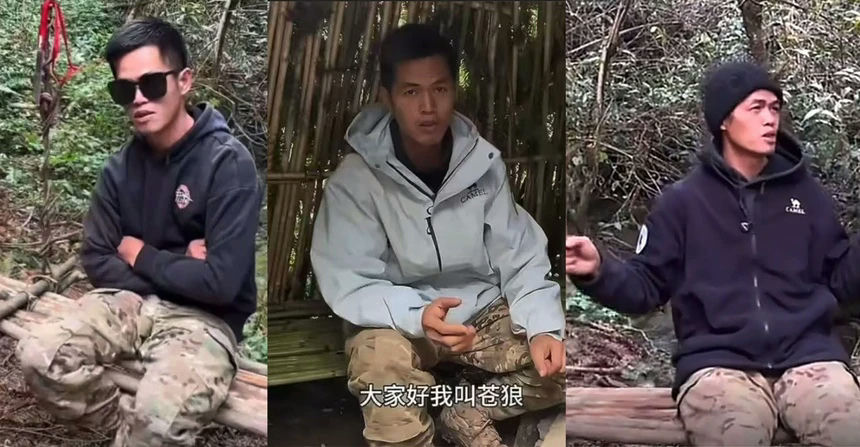
Millions of viewers have connected with contestants from diverse backgrounds: young people exhausted by urban life, those drowning in debt, and middle‑aged participants seeking to prove their worth. They are imperfect people facing cold, hunger, risk, and chance exactly the experience many urban viewers feel they lack in their highly curated lives.
Another standout contestant is 25‑year‑old Zhang Bolin, a once‑struggling startup founder. His antics climbing trees, mimicking monkey sounds, befriending field mice he calls “neighbors” have made him an endearing figure online. His playful spirit contrasts sharply with the polished, pressure‑packed world of social networks.
While China’s survival entertainment dates back to 2015 with shows like Survivor Games and Man vs. Wild adaptations, Camel Cup differs by placing ordinary people into authentic survival situations without scripts or production gloss.
Season 1 became a breakout hit when Yang Dongdong survived 70 days, losing 16 kg while trapping insects and foraging for food. His clips spread rapidly online, turning him into an unwitting influencer with over 117,000 followers, and he now works with his hometown tourism board to promote the region.
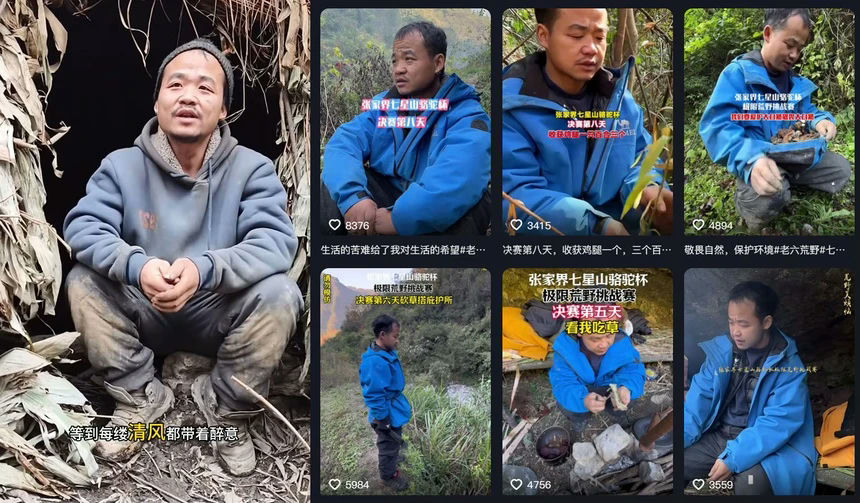
In Season 2, the craze has only intensified. Local tourism offices from surrounding counties have flocked to the Qixing Mountains to cheer for their hometown contestants. Local food, dialects, and mountain trails featured in videos have made competitors into unplanned ambassadors for their regions.
Highlights include Wu Gaoshu, nicknamed the “Miao King,” whose hometown government created promotional videos showing local shops cooking his favorite rice noodle soup and shared his desire to pay for his daughter’s eye care if he won leading to donated clothing and arranged medical treatment for his child.
Interest in Camel Cup has exploded, with more than 100,000 applications pouring in for 20 spots in Season 3, where the prize money is expected to rise to 500,000 yuan (over $70,000). Organizers are even considering making the show a year‑round competition.
But the boom also reveals a darker side: real survival is not like a TikTok video.
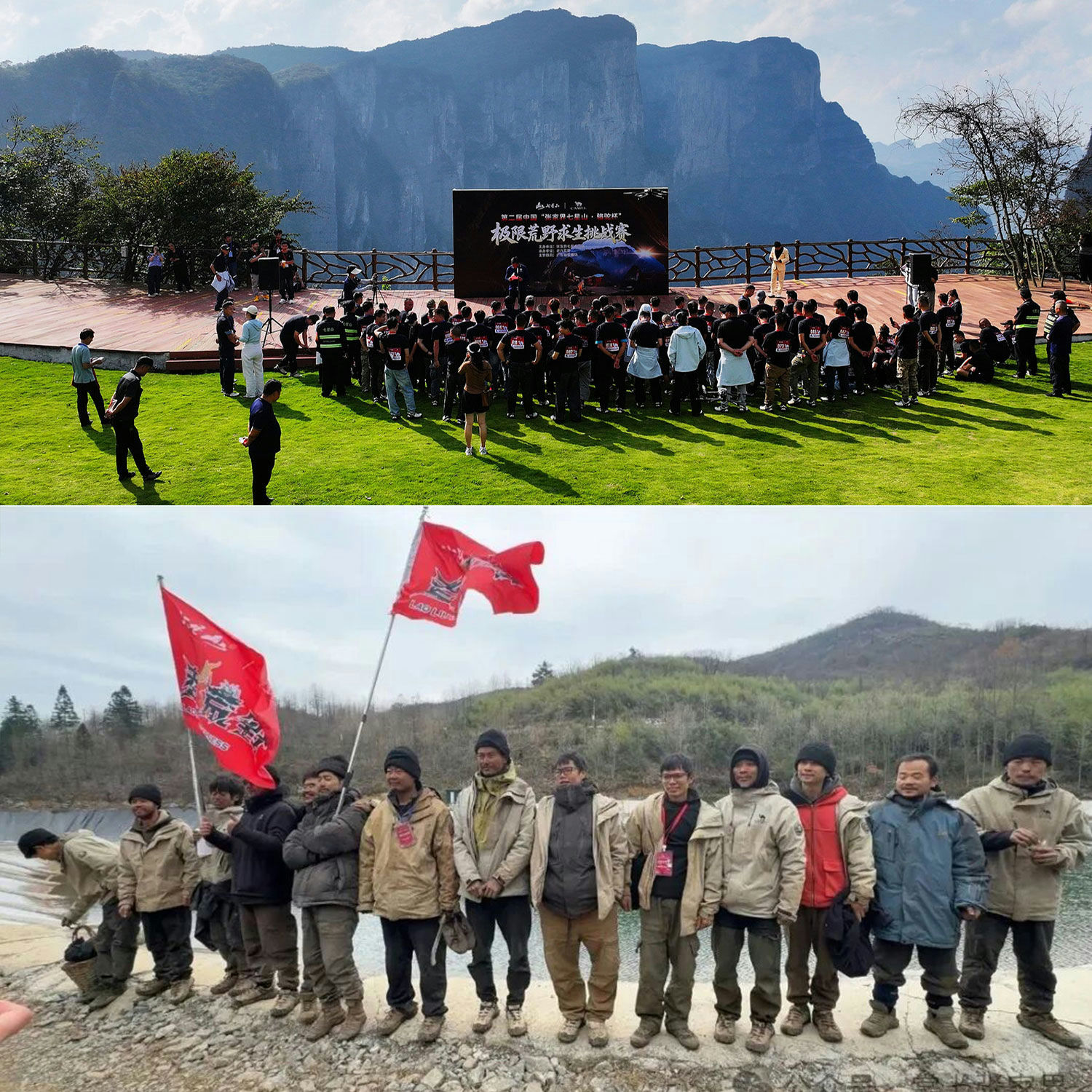
Huang learned this the hard way when temperatures dipped to dangerous lows at 1,400 meters elevation. His left leg froze, became numb, and developed blisters. After losing 4 kg, he was forced to withdraw. “I didn’t want to quit, but staying could make it worse,” he said.
Many contestants have faced serious health issues, including more than 10 kg weight loss per month, weakened immunity, skin ulcers, and digestive disorders. Mid‑season medical checks showed five contestants with dangerously high potassium levels, and one was hospitalized for severe malnutrition. Anyone who fails safety standards is immediately eliminated.
Despite these risks, similar survival contests have sprung up across China some without permits, clear protocols, or medical teams. One event in Guizhou was shut down days after it opened amid allegations of sexual assault and illegal food deliveries to participants. Another in Yunnan was halted three days before launch due to safety concerns about cold weather.
In contrast, some local organizers have relaxed rules so much that their “survival” competitions resemble weekend camping trips. In Sichuan, contestants are allowed up to 10 survival tools enough for cooking and comfort, but far from true hardship.
Wang Yuxiong of the Central University of Finance and Economics warns that this uncontrolled boom poses dangers to participants and risks tarnishing the outdoor sports industry. “Professional guidance, proper risk assessment, and clear regulations are crucial,” he said.
Even Camel Cup with its 24/7 medical team, safety exits, and checks cannot fully tame nature’s unpredictability. Huang recounted a moment when a contestant, soaked from rain and shivering, sounded a whistle for help. Huang wrapped him in a thermal blanket and helped escort him to medical care. “Moments like that remind you how thin the line is between a show and real danger,” he said.
Now, on the cold peaks of the Qixing Mountains, the eight remaining contestants continue their journey along that fine line each step watched by a nation eager to see how far they will go.
Sources: Znews
You must be logged in to post a comment.