
The era of psychologically complex heroines in Korean dramas is no longer a fleeting trend; it has become a pivotal turning point in the evolution of the genre.
K-dramas have undergone a revolutionary transformation, stepping away from the traditional “Cinderella” tropes and syrupy love triangles. Instead, they delve into raw, gritty, and emotionally intricate narratives, where perfection is no longer the standard. At the heart of this transformation lies the emotionally “distorted” female lead characters shaped by trauma, societal injustice, and inner darkness. These flawed protagonists are reshaping how audiences connect with television, offering rich material for both emotional resonance and artistic innovation.
Over the past decade, K-dramas have matured significantly, tackling heavy topics such as bullying, class disparity, mental health, and long-term psychological trauma. With these themes comes a new breed of protagonist women who aren’t paragons of virtue but survivors molded by pain. These anti-heroines don’t wait to be rescued; they fight for personal justice, sometimes through morally ambiguous or radical means.
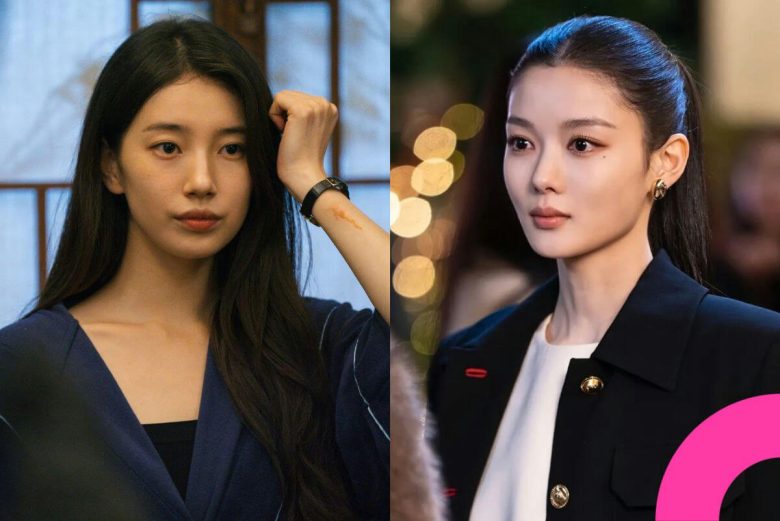
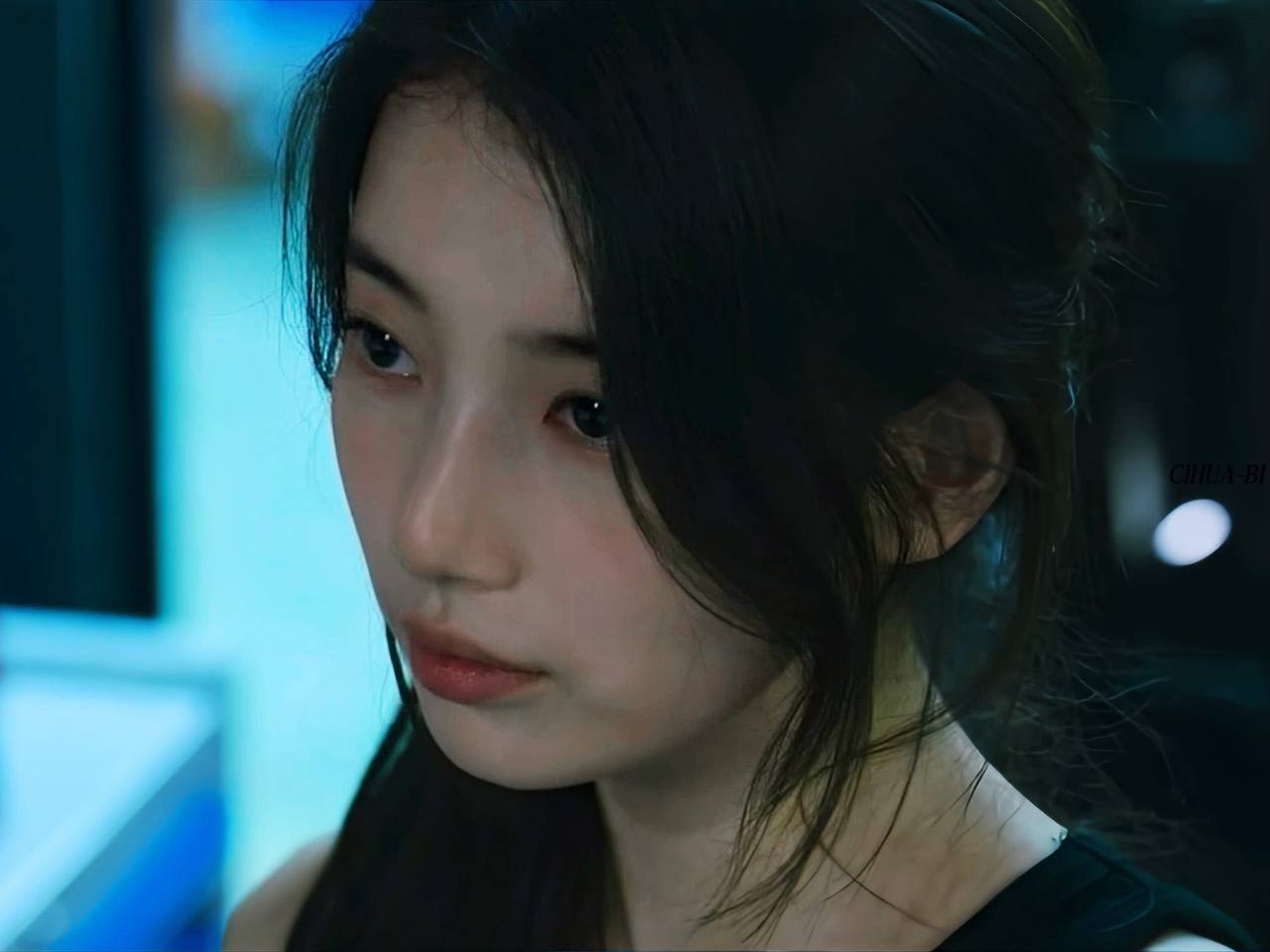
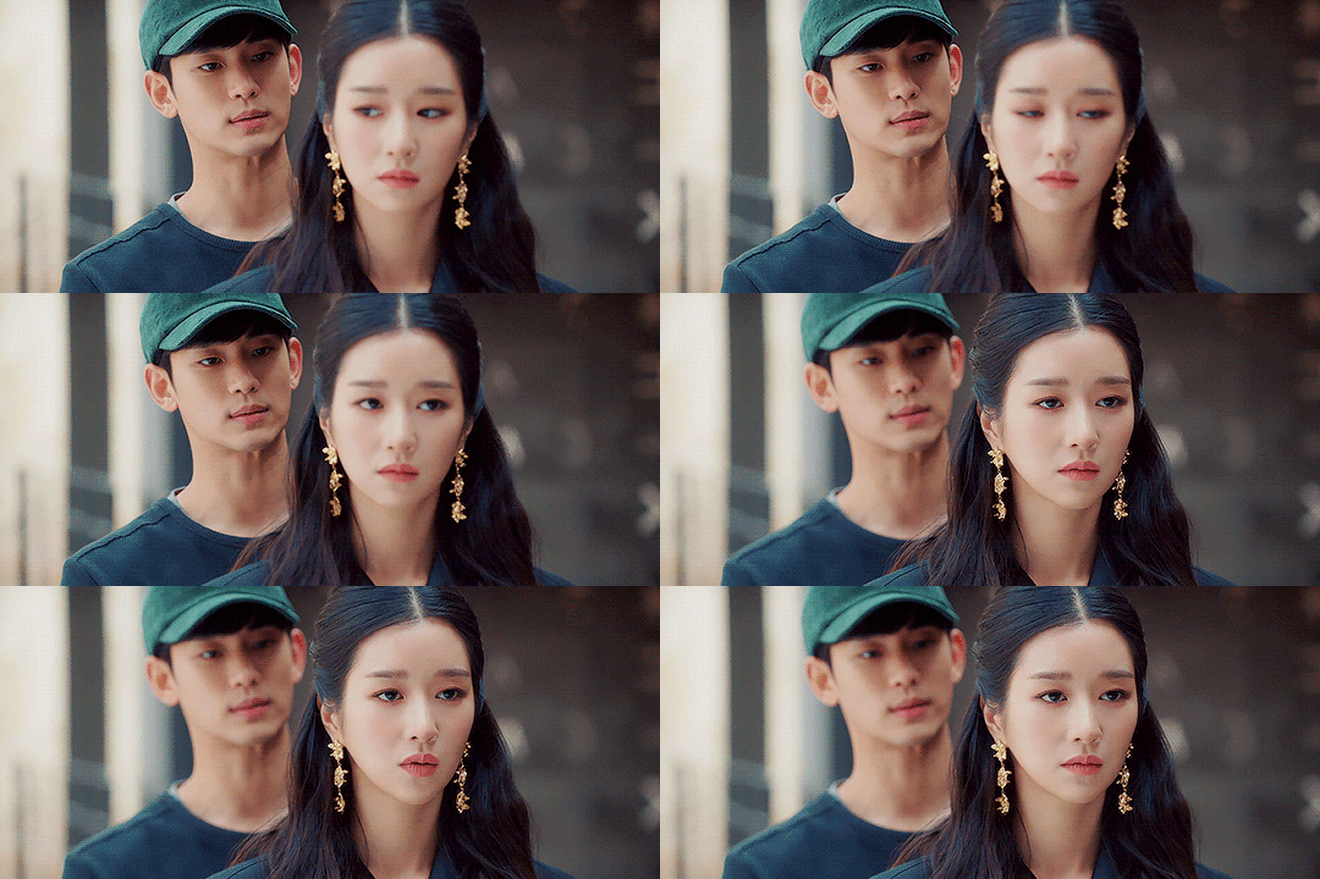
Characters like Go Moon Young from It’s Okay to Not Be Okay embody this shift. A brilliant but cold author suffering from antisocial personality disorder, she confronts her trauma head-on. Jo Yi Seo in Itaewon Class is another standout; fierce, brilliant, and socially deviant, she supports her love interest with sharp wit and defiance. In Genie, Make a Wish, Suzy’s portrayal of Ga Young explores sociopathic tendencies, while Hyeri’s Ye Ji in Friendly Rivalry struggles with deep envy. Kim Yoo Jung’s Baek Ah Jin in Dear X presents a manipulative perfectionist hiding layers of toxicity.

These complex portrayals resonate because they reflect the invisible pain of modern life. Today’s viewers no longer seek idealized heroines; they crave authenticity; flawed, conflicted, and emotionally raw characters. The anti-heroines’ battles against societal norms, their rage against injustice, and their emotional volatility provide catharsis, allowing audiences to project their own frustrations and traumas.
From a narrative standpoint, these characters inject suspense and unpredictability into stories. Their actions defy moral expectations, leading plots into thrilling and uncharted territory. For example, Moon Dong Eun’s cold-blooded revenge in The Glory captivated millions, showcasing the high-stakes allure of vengeance-driven arcs.

Crucially, these roles challenge outdated norms about how women “should” behave docile, forgiving, selfless. Instead, these women are assertive, independent, and willing to retaliate against mistreatment with as much intensity as their male counterparts. This aligns with global feminist discourse, reflecting a collective yearning for liberation and agency.
For actresses, these roles are both a formidable challenge and a golden opportunity. They demand a nuanced command of emotion, with sharp shifts between cold detachment and desperate vulnerability. Subtle gestures, flickers of expression, and empty stares must convey years of hidden pain. Song Hye Kyo’s performance as Moon Dong Eun earned her the prestigious Daesang at the 59th Baeksang Arts Awards, proving the critical acclaim such roles can garner. Similarly, Seo Ye Ji’s turn as Go Moon Young earned her international praise and the Best Actress award at the 2020 Asia Artist Awards.
These psychologically complex heroines are more than dramatic devices they are symbolic reflections of a modern society grappling with pain, contradiction, and repressed emotion. As K-dramas continue evolving, these women remain at the forefront of artistic innovation, transforming pain into power and inner chaos into cinematic brilliance.
Sources: kenh14
You must be logged in to post a comment.