
On November 16, Chinese social media was set ablaze by distressing footage of actress Zhang Duolin caught in a fan frenzy at Shenzhen Train Station. The viral video shows the actress visibly panicked, shielding her head as fans and paparazzi pressed in, reducing her to a vulnerable figure retreating in fear.
In the clip, Zhang is seen repeatedly raising her arms to protect her head, her expression frozen in fear. Far from the glamorous red carpet aura, this was a moment of real danger, as the crowd surged chaotically around her.
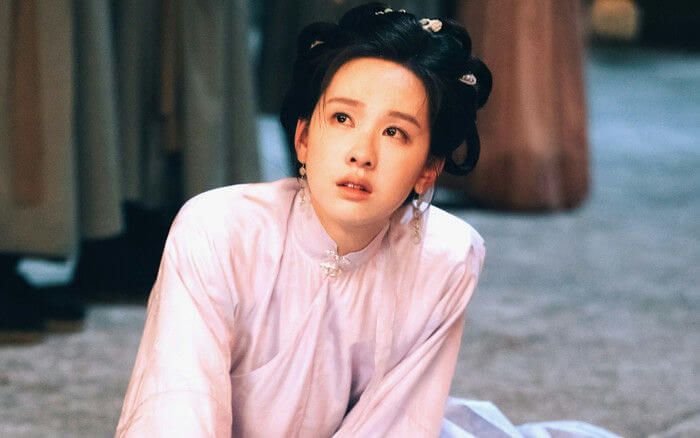
The situation escalated when paparazzi pushed their cameras just centimeters from her face. Despite Zhang’s discomfort and the obvious risk, they continued to snap photos with no regard for personal boundaries. Some overzealous fans added to the commotion, running and jostling to follow her, turning the station into a scene of chaos. Zhang eventually had to curl inward in a fully defensive posture.
Images of the incident—especially one where she covers her ears in fear—sparked fury across Chinese social platforms, with netizens denouncing the aggressive culture of idol-chasing and paparazzi intrusion. Many highlighted that even public figures deserve personal space and safety in public.
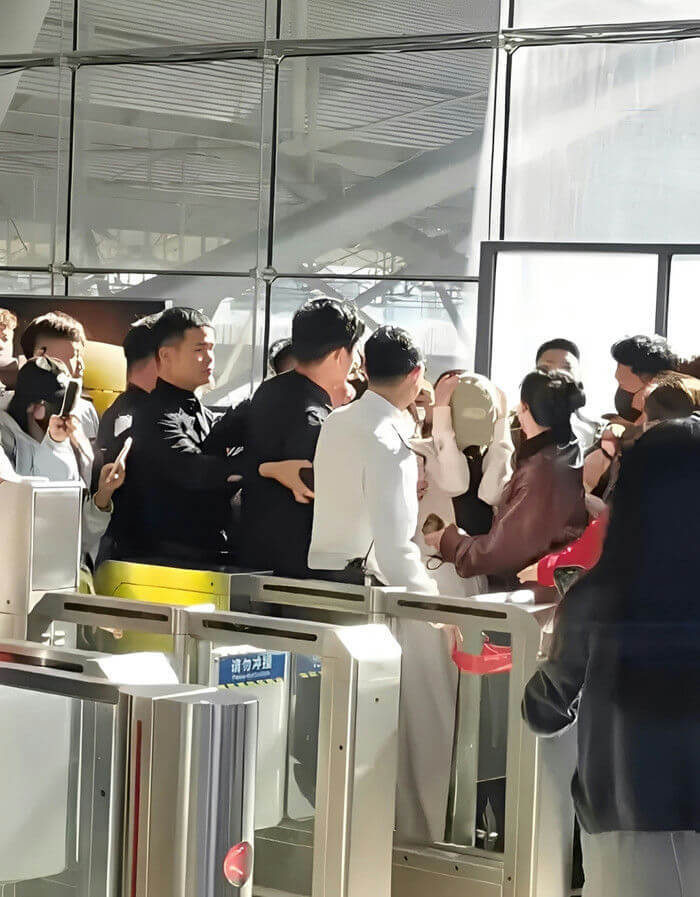
That same day, Zhang Duolin’s studio released a formal statement condemning the extreme behavior. It cited a rise in obsessive fan and paparazzi conduct at high-speed rail stations and airports, warning that these acts pose a threat not only to the artist but also to public safety and order.
The statement called on fans to support their idols rationally and respectfully, discouraging stalker-like behavior and emphasizing the importance of maintaining distance in crowded public areas. The studio pledged to work with authorities if such dangerous incidents persist.

The public largely welcomed the studio’s strong stance. Many commentators saw the episode as a wake-up call about the dangers of idol worship pushed to extremes. Zhang, known for her soft-spoken image and clean reputation, was reduced to a distressed figure in a space where she should have felt safe.
Zhang Duolin, who has built a career with roles in both historical and modern dramas, enjoys a stable fanbase and relatively scandal-free image. Yet, her fame has increasingly made her a target for invasive attention.
This time, it wasn’t just her celebrity status that made headlines—but her desperate attempt to protect herself in the face of uncontrolled public frenzy. The scene prompted one chilling question from netizens: “If your love for a celebrity ends up hurting them, is it really love?”
Millions of comments have since flooded social platforms. Some blame unethical paparazzi for violating basic boundaries by physically pressing cameras against Zhang’s face. Others point fingers at fans who, in their obsession, created the very chaos that endangered their idol.
Still, many noted that this is a systemic issue in the entertainment industry, one that needs coordinated efforts from station management, government agencies, and the artists themselves. Zhang Duolin’s studio taking a hardline stance is being hailed as a necessary first step to redefining safety boundaries for public figures in China’s increasingly fervent fan culture.
You must be logged in to post a comment.