
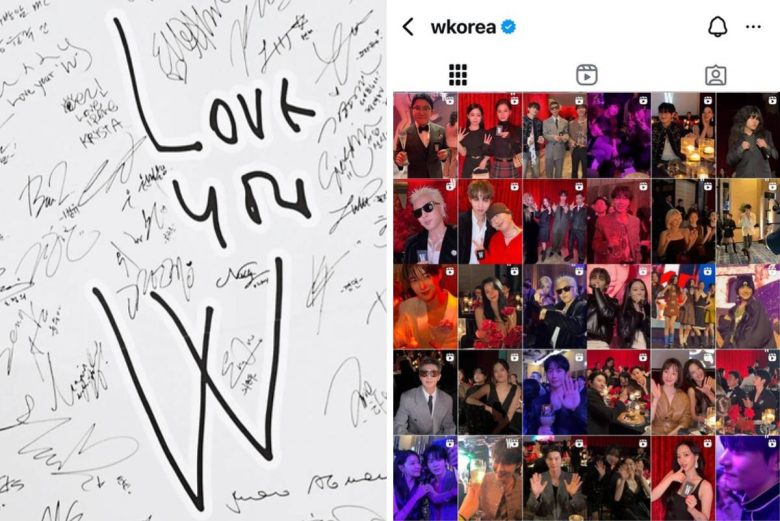
“A luxury party disguised as a charity campaign.” That’s how insiders are describing W Korea’s “Love Your W” breast cancer awareness event, which has come under fire for prioritizing brand deals and celebrity glamour over its original purpose.
The controversy reignited after reports surfaced that a female actress—now confirmed to be Park Bo-young—was barred from walking the red carpet last year for not wearing sponsored stockings. The incident revealed the commercialized underbelly of what was supposed to be a public health awareness event.
₩30 Million Brand Sponsorships and “Charity Fees”
According to Dispatch, W Korea hosts its annual “Love Your W” event with luxury brand sponsorships presented as “donations.” High-end labels contribute money and outfits in exchange for having top stars wear their pieces on the red carpet.
Each fashion brand reportedly paid around ₩30 million, while jewelry brands contributed approximately ₩5 million. The 2024 campaign featured major names such as Chanel, Louis Vuitton, Gucci, Saint Laurent, Prada, Fendi, Valentino, Cartier, Burberry, and Celine, among 29 participating sponsors.
While W Korea is believed to have raised nearly ₩1 billion, Dispatch noted that its parent company Doosan Magazine has only donated ₩1.1 billion total over the past 20 years—an average of ₩50 million per year—with no public record of how funds were distributed.
No Pink Ribbons, Just Champagne
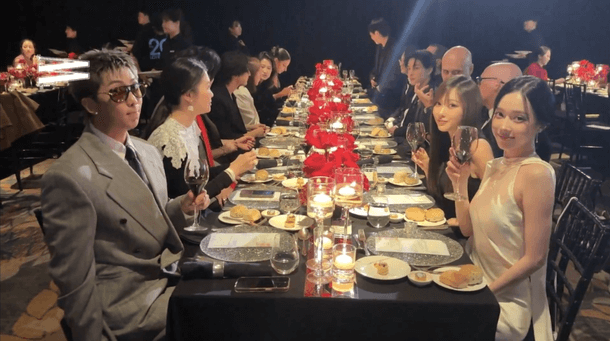
The event’s invitation claimed it aimed to “raise awareness of breast cancer risks and promote prevention and treatment.” Yet, guests were greeted not by health booths or awareness campaigns, but by champagne towers, red roses, and luxury displays.
There were no pink ribbons—the global symbol of breast cancer awareness—anywhere in sight. In contrast, international events such as the BCRF’s Hot Pink Party prominently feature the color pink in décor, dress codes, and branding, while publishing detailed donation and expenditure reports annually.
Even more controversial was the presence of Moët & Chandon champagne as a headline sponsor—despite the World Health Organization (WHO) and American Cancer Society emphasizing that alcohol consumption increases breast cancer risk.
W Korea’s vice president Lee Hye-joo, who oversaw the event, did not respond to inquiries about the decision to feature alcohol at a cancer awareness campaign.
No Pay for Celebrities, Only Promotion for Brands
Celebrities reportedly attended the event without appearance fees, covering their own hair, makeup, and styling costs. While stars were told it was a charity event, W Korea collected sponsorship money from brands instead.
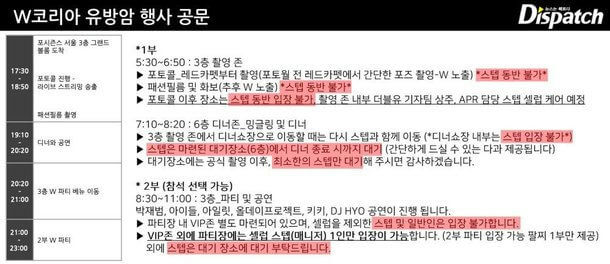
One insider told Dispatch, “The stars received nothing. W Korea used their presence to promote luxury brands.”
Banned Staff, Forced Challenges, and “Party Content”
Behind the scenes, W Korea’s event management drew further criticism. Staff access was heavily restricted, with notices explicitly stating “no accompanying staff allowed.” Managers were kept waiting outside for over six hours, unable to monitor their artists.
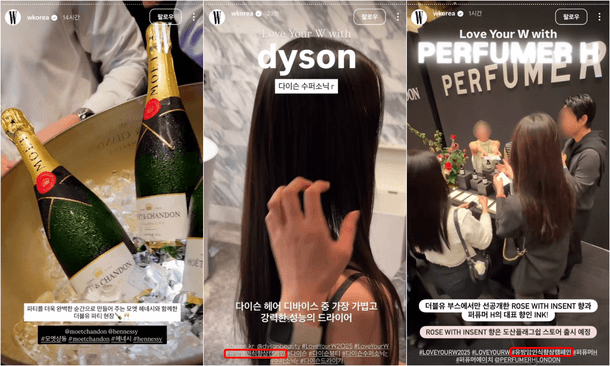
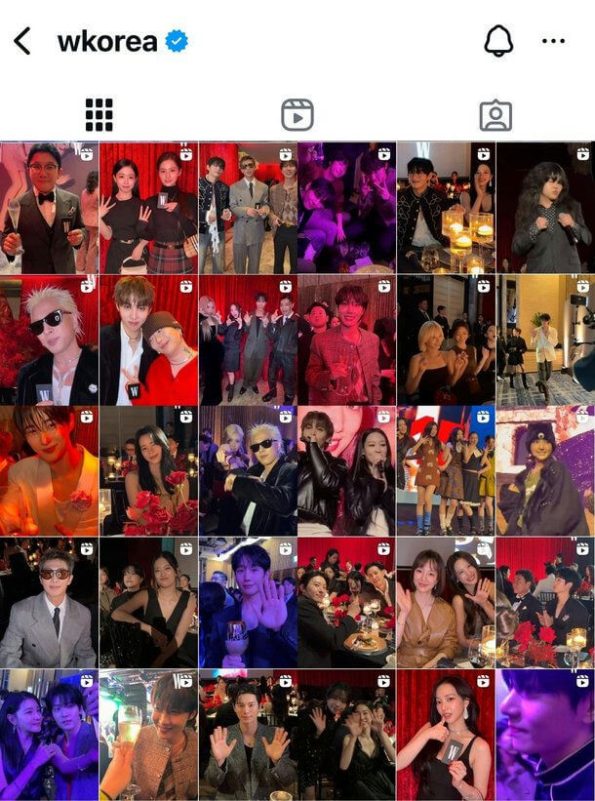
Inside, W Korea allegedly directed unscripted “challenges” and interviews—many unrelated to cancer awareness. Questions like “What are your holiday plans?” or “Show your cutest pose!” filled the magazine’s social media feeds.
One of the most controversial moments came when aespa’s Karina was asked to perform a sensual gesture to the lyrics “Sugar on my tongue.” Netizens slammed the act as “sexually inappropriate for a breast cancer campaign.”
From “Love Your W” to “Love Your Money”
As Dispatch bluntly put it: “W Korea’s breast cancer campaign has lost its pink ribbon and found a price tag.”
What began in 2006 as a public awareness initiative has evolved into a celebrity fashion gala more focused on brand visibility than medical advocacy.
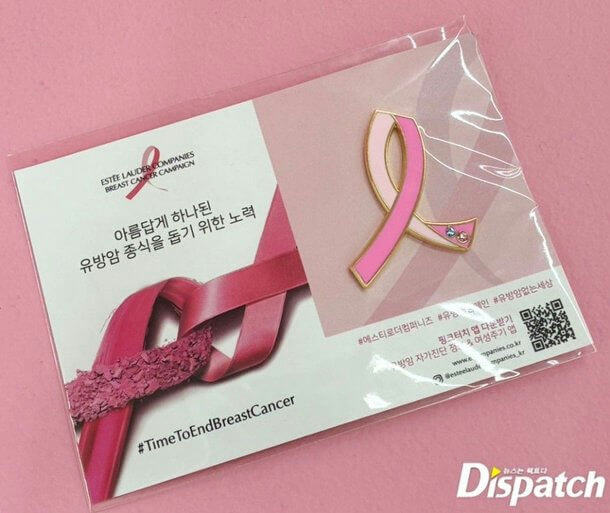
Meanwhile, genuine cancer awareness events like Estée Lauder’s Pink Ribbon Campaign collaborate with medical associations, provide screening information booths, and distribute awareness pins and educational materials to participants.
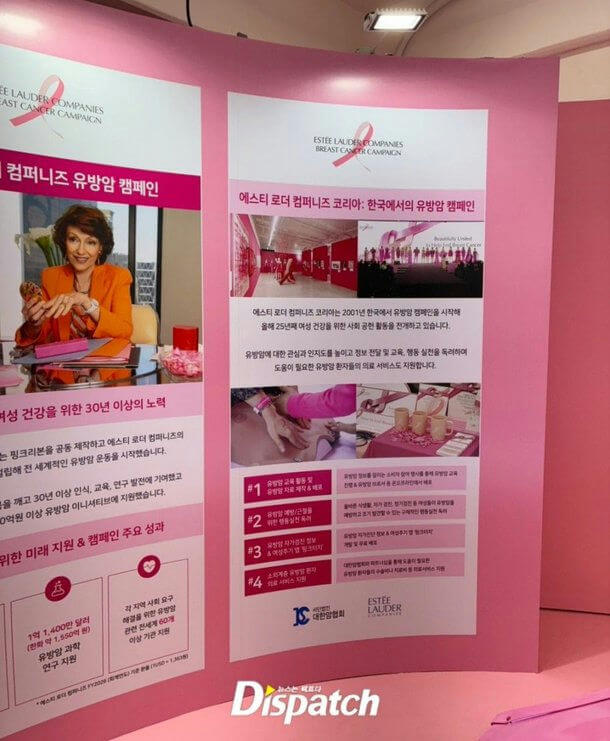
At W Korea’s event, however, the only reference to breast cancer appeared in a hashtag—#LoveYourW and #BreastCancerAwarenessCampaign—used on social media posts showcasing designer gowns and champagne selfies.
Sources: Dispatch,Nate Entertainment,W Korea,WHO,BCRF
You must be logged in to post a comment.