
A longstanding territorial dispute between Thailand and Cambodia has erupted into violent conflict, resulting in at least 15 civilian deaths, dozens of injuries, and the evacuation of over 100,000 people. The rapid escalation has triggered global concern, with calls for an immediate ceasefire and international mediation.
Rocket Attacks and Airstrikes Intensify Border Violence
Clashes first broke out on July 24, 2025, and intensified in the early hours of July 25, according to official statements from both Thai and Cambodian authorities. The fighting centers on Ubon Ratchathani and Surin provinces in Thailand and Oddar Meanchey and Preah Vihear provinces in Cambodia—historically disputed territories with deep-rooted tensions.
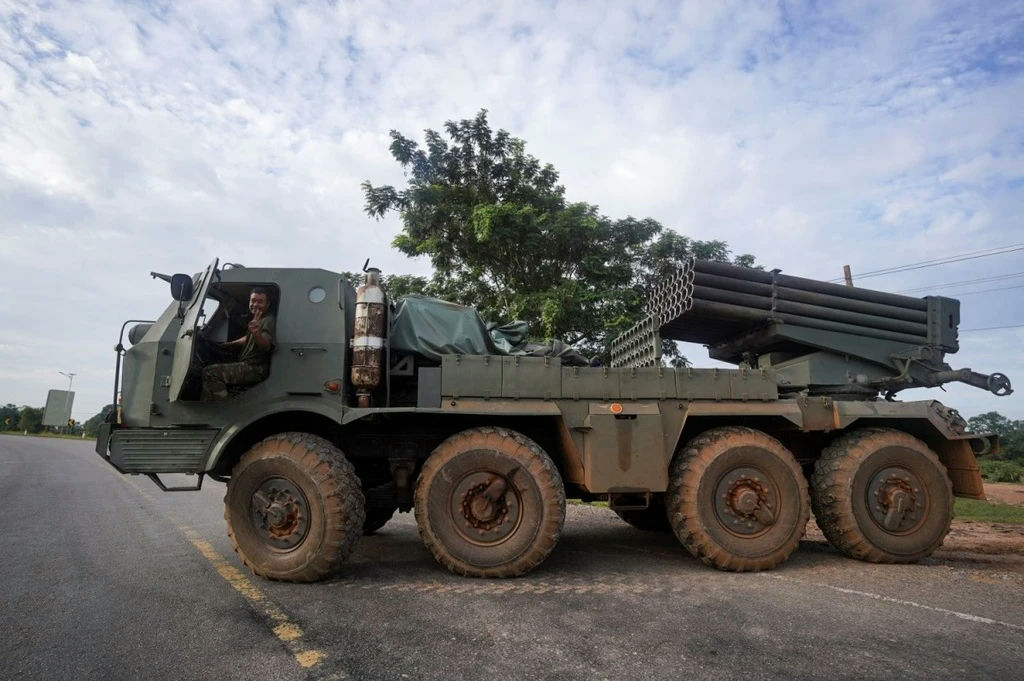
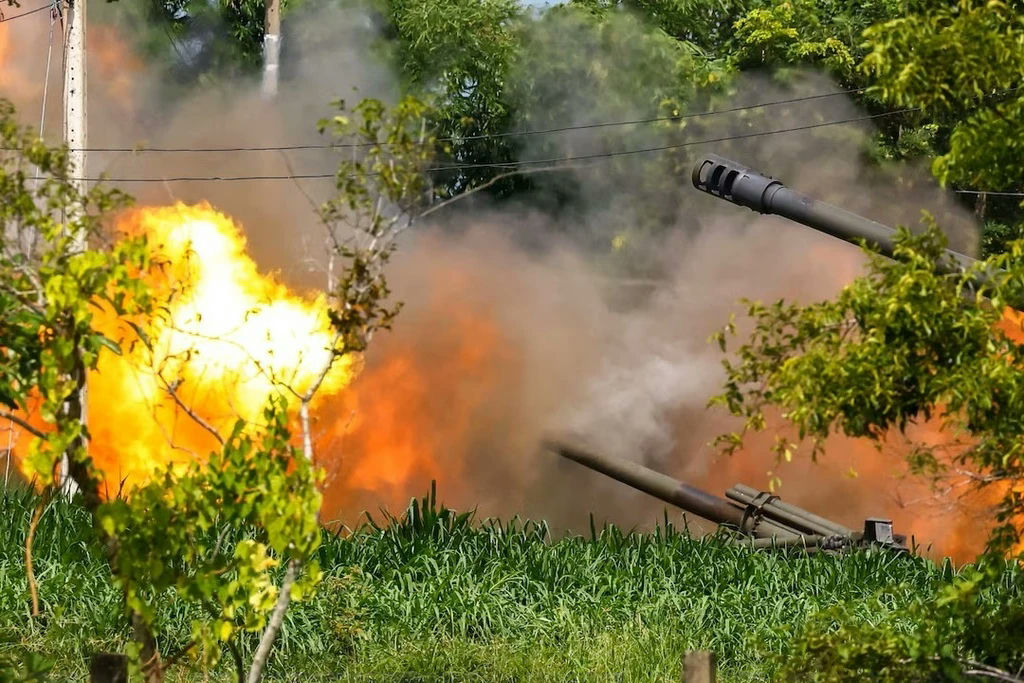
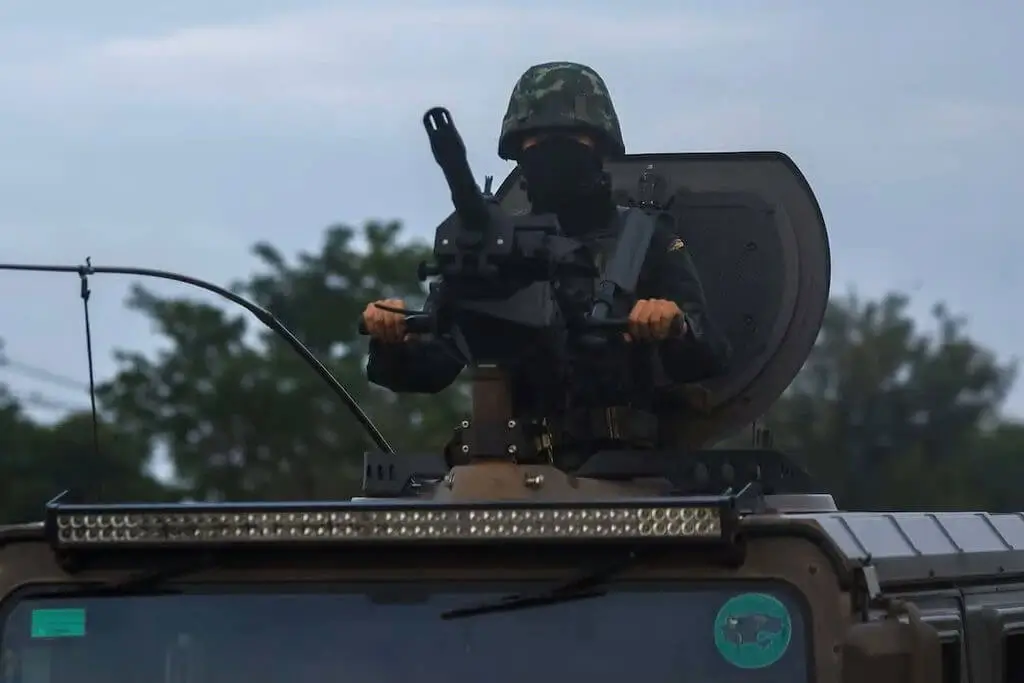
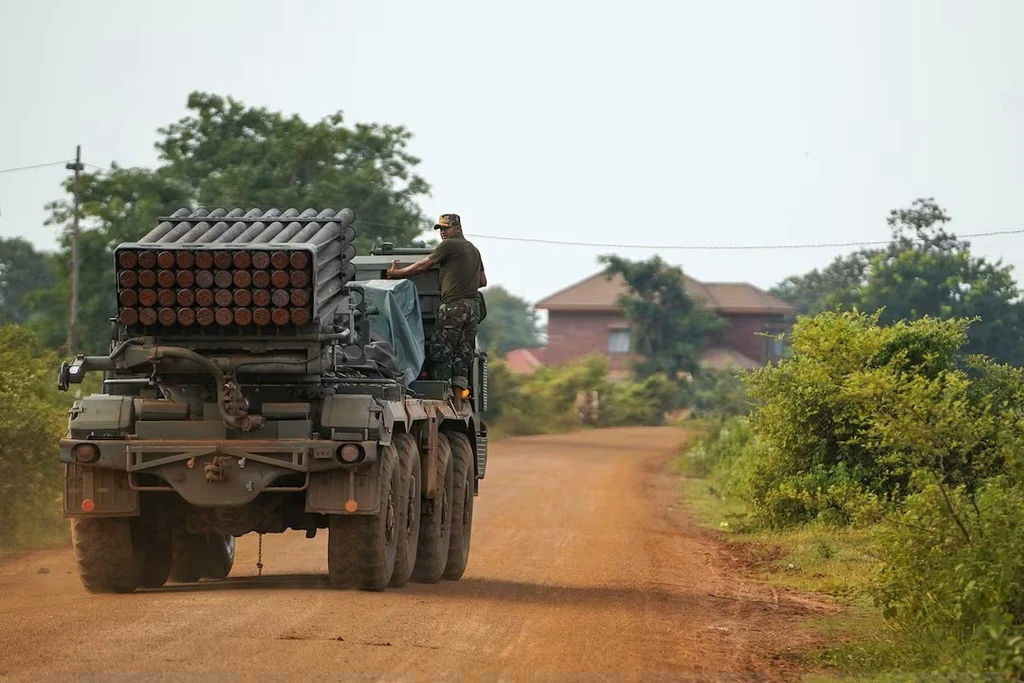
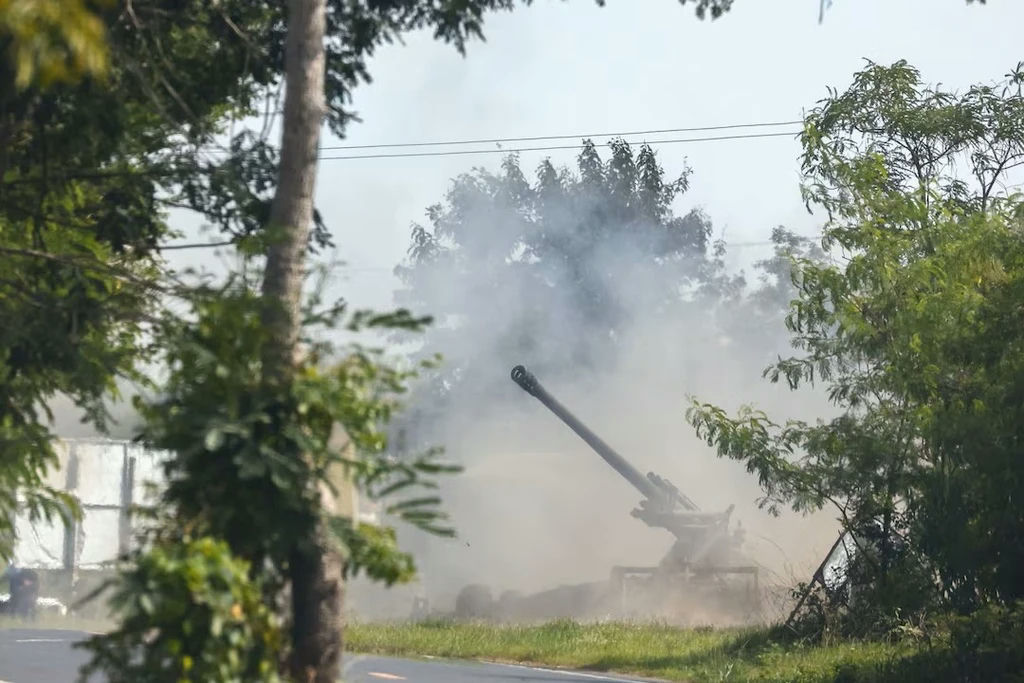
Cambodian forces reportedly launched BM-21 multiple rocket systems, while Thai F-16 fighter jets conducted retaliatory airstrikes on Cambodian military installations along the border.
Civilian Toll Grows as Shelling Hits Hospitals
The Thai Ministry of Public Health confirmed that 15 individuals have died, including 14 civilians. An additional 46 people were injured, 15 of whom are Thai soldiers. Cambodia has reported one civilian fatality and five injuries, and authorities have evacuated over 1,500 households from impacted areas.
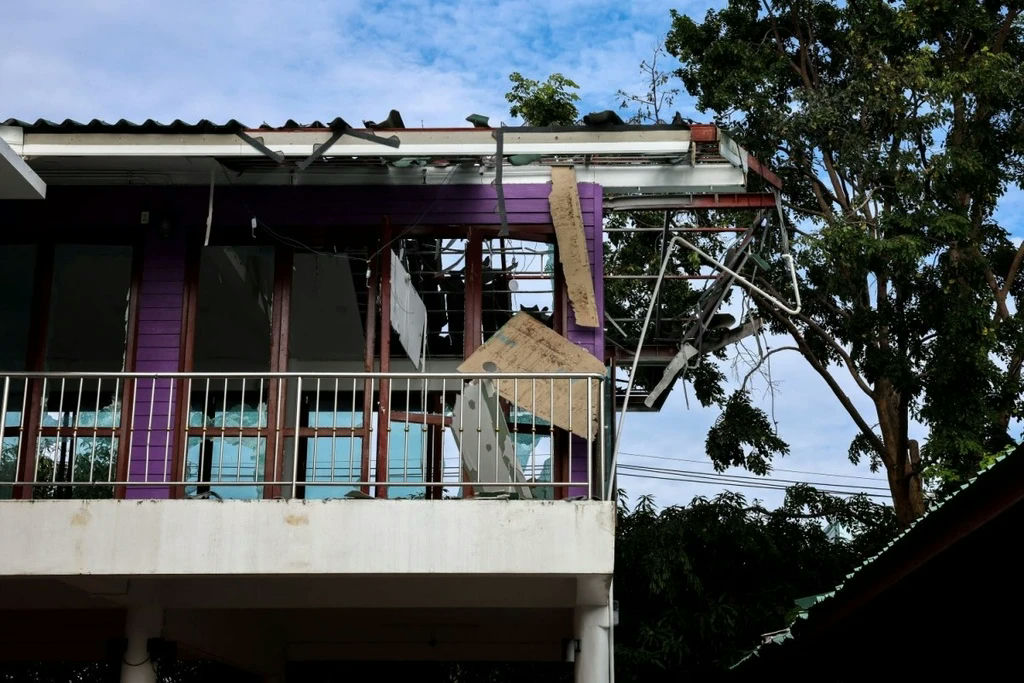
One Thai hospital near the front lines suffered structural damage due to artillery shelling, highlighting the increasing risk to civilian infrastructure.
Historical Flashpoints Reignite Conflict
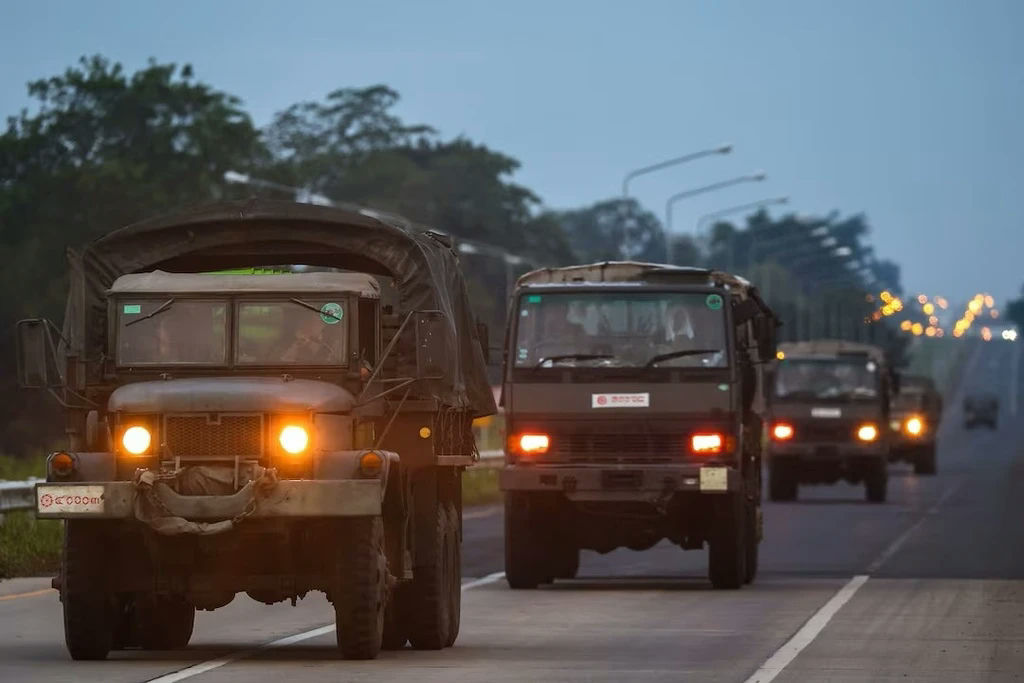
Fighting reignited near the Ta Moan Thom temple, a frequent flashpoint in Thai–Cambodian tensions. Since the initial skirmishes, violence has spread along the broader border area. Footage from Thai media shows military convoys mobilizing in Surin province, raising fears of a long-term military buildup.

The root of the conflict lies in decades-old border disputes, particularly surrounding the Preah Vihear temple complex. While the International Court of Justice (ICJ) ruled in Cambodia’s favor in 1962 and reaffirmed the ruling in 2013, nationalist fervor and unresolved boundary demarcations continue to fuel unrest.
International Response: UN and ASEAN Call for Ceasefire
In response to the escalation, Cambodia has formally requested an emergency UN Security Council session, now scheduled for July 25. The United States, European Union, and ASEAN leaders have issued a joint statement urging both nations to enact an immediate ceasefire and return to diplomatic negotiations.
Despite mounting pressure, Thailand’s Acting Prime Minister Srettha Thavisin has rejected third-party mediation. In a national broadcast, he reaffirmed Thailand’s position:
“This is a matter of sovereignty and will be resolved bilaterally. We will defend our nation, but we do not seek wider escalation.”
Humanitarian and Regional Concerns Mount
Human rights groups have voiced concerns over the potential use of cluster munitions, urging both governments to establish humanitarian corridors for civilians trapped in conflict zones.
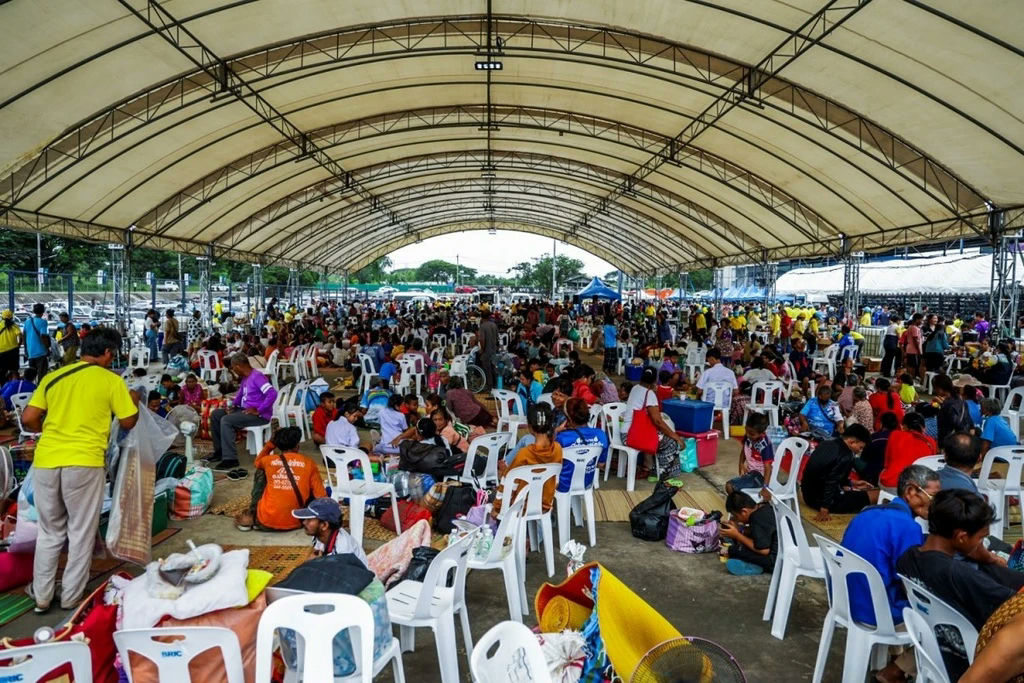
Military analysts warn that prolonged fighting could destabilize Southeast Asia, particularly if troop deployments continue to rise along contested borders.
With thousands displaced, rising civilian casualties, and no clear resolution in sight, the Thailand–Cambodia border conflict has become one of 2025’s most volatile geopolitical flashpoints.
You must be logged in to post a comment.