
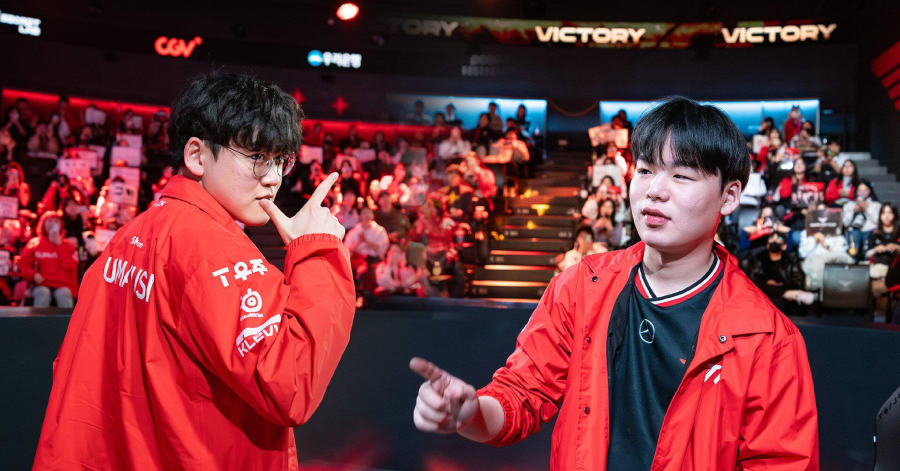
The recent drama involving T1, Gumayusi, Smash, and a string of questionable decisions by the coaching staff during the LCK Cup 2025 and 2025 Regular Season has stirred the entire Esports community. But more than just fan outrage, this saga has exposed a deeper truth: no matter how similar they may seem on the surface, “League of Legends”, or perhaps even Esports in general, can never operate like traditional sports. T1 is the perfect case study of these limitations.
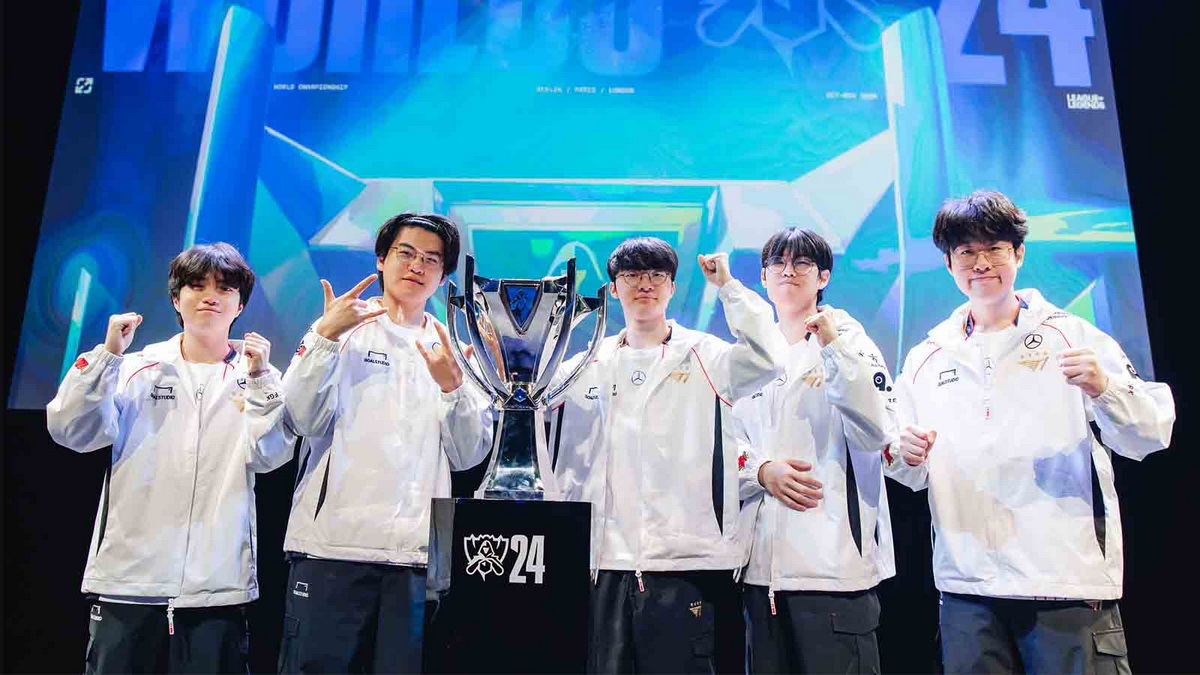
Roster Rotations: A Self-Destructive Strategy in Esports
Unlike sports like football or basketball, where teams have extensive rosters and rotate players based on long-term strategies, “League of Legends” (often referred to as “League”) is a game that thrives on micro-level synergy and split-second decision-making. A single misread or miscommunication, especially between a team of 5, can cost the entire game. As a result, forcing changes in rotations mid-series isn’t strategic, but rather destructive and unnecessary.
Additionally, the fact that a support player has to compete with two different AD carries in the same match, each with distinct playstyles, may sound manageable, but pro matches aren’t ranked solo queue games. If a team fails to function as a single, united unit, the opponent can easily exploit any disconnects and secure victory.
On the other hand, Esports players, particularly those in high-profile teams like T1, face direct and unfiltered pressure from fans, something that’s rarely experienced by athletes in traditional sports. There’s no PR team to act as a buffer, and often players are forced to confront criticism head-on, whether they like it or not.
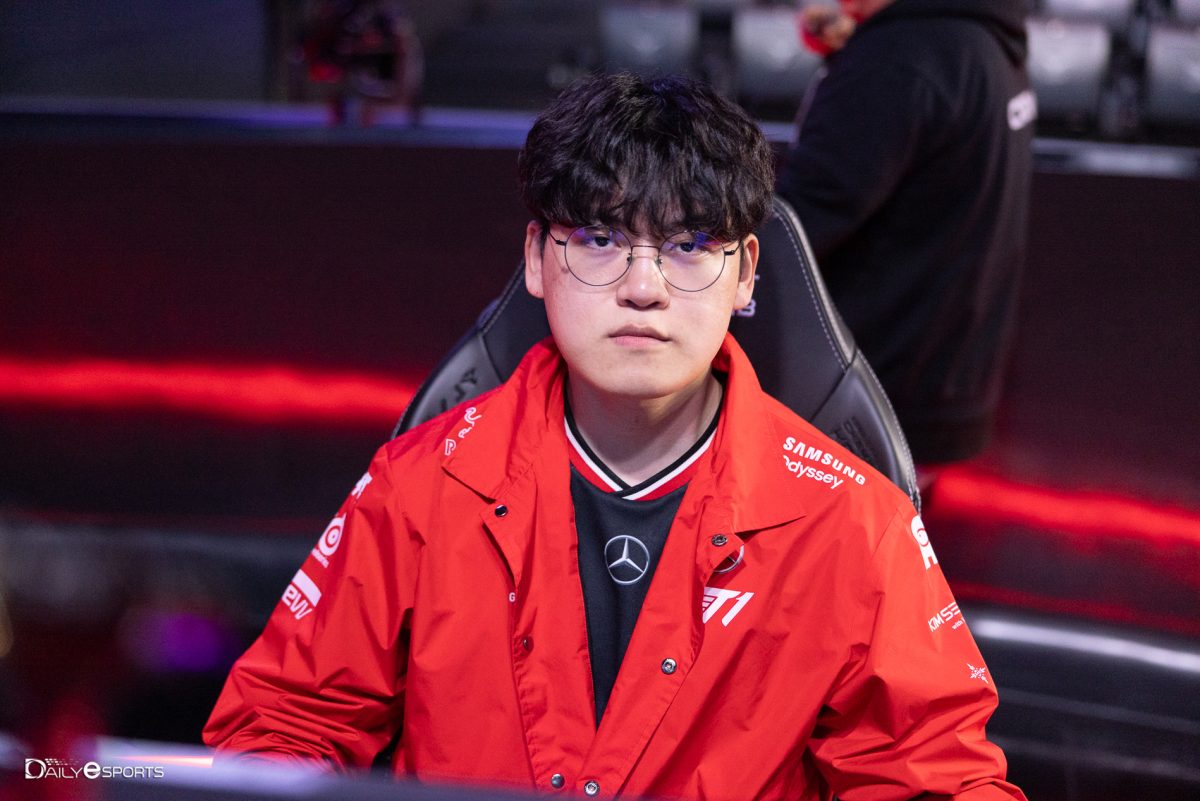
T1 has even intensified the pressure through features like POPS and membership programs that give fans greater access to the players. Unfortunately, this has also given anti-fans a platform—especially those targeting Gumayusi.
The decision to swap players in the final game against FOX didn’t improve the situation. It felt more like a gamble by the coaching staff: if they won, it would all be fine. But they lost, and the result was both Gumayusi and Smash becoming the targets of widespread controversy.
Coaching Staff: Power Without Accountability
In traditional sports, coaches can and do get criticized and even fired when their strategies fail, and players very often can make their own calls and claims. In Esports, however, players are often forced to follow orders regardless of how flawed the call may be. Nevertheless, when things get messy, it’s the players instead of the coach that face the backlash.
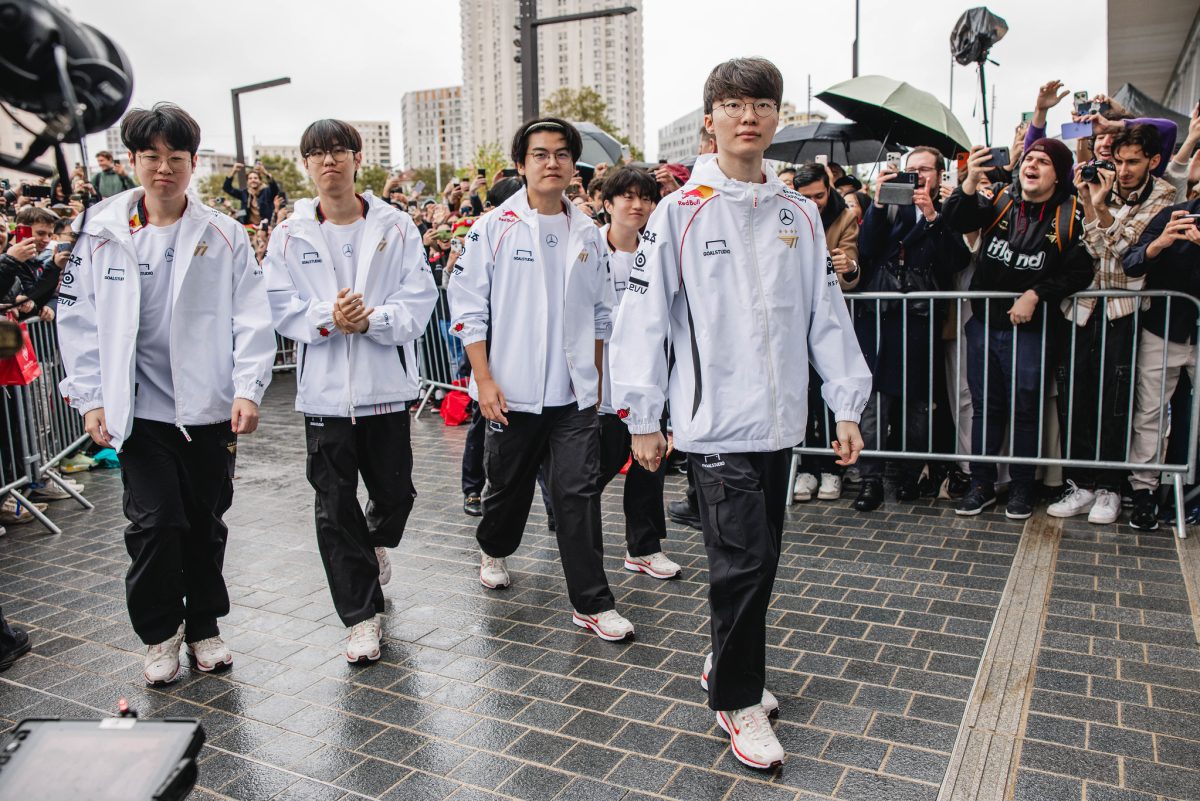
Coach KkOma, despite being one of the most decorated figures in LoL history, is not infallible, as he had made several mistakes in the past and appears to be continuing such a streak. Yet many hesitate to critique him due to his legacy with Faker and early T1 success. Meanwhile, T1’s broader coaching staff continues to make questionable choices without offering any clear direction.
Whether their next move is positive or negative, T1 will need to find a solution soon. But among the fanbase, hopes for an MSI appearance are dwindling. For now, the more realistic goal might be securing a spot among the top 4 teams at Worlds (CKTG), a target that, given T1’s current form, seems more achievable.
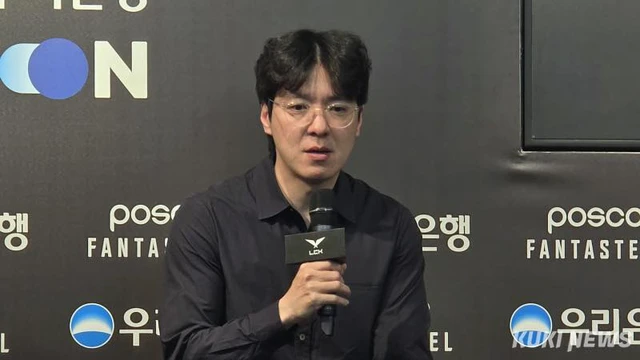
In fact, Faker himself, also previously mentioned various flaws that consistently damage the League scene, making him unable to answer the question “Can League survive the test of time?” It seems that fixing the issues mentioned by Faker and the ongoing problems within T1 are crucial for Esports to continue its stride – albeit matching traditional sports appears to be far-fetched.
You must be logged in to post a comment.