
South Korea is accelerating the use of artificial intelligence across its cultural industries, positioning AI as a key growth engine to sustain the global influence of Hallyu. From film and television to music, webtoons, and gaming, AI is increasingly embedded in content creation, production, and distribution—backed by active government investment and policy support.
In December 2025, during an interview with YTN on AI-related television programs, Lee Sang Hoon, Director of the Korea Communications Agency (KCA), emphasized that AI has emerged as a core technology capable of fundamentally transforming the production model of K-content. According to Lee, AI now plays a central role across creative fields, helping South Korea maintain its competitive edge in the global content market.
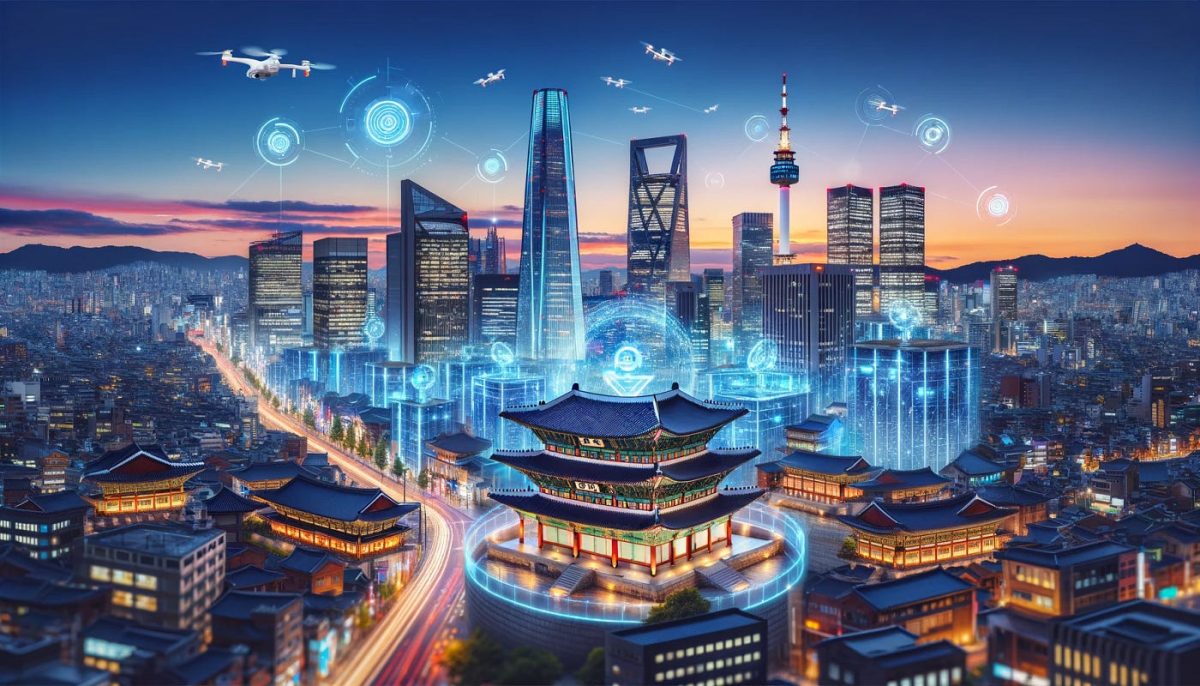
AI-generated content is already being applied widely to automate labor-intensive processes such as video editing, subtitle creation, voice synthesis, visual effects (VFX), post-production workflows, and digital distribution. Media outlet Chosun Biz previously observed that “South Korea is using artificial intelligence at an astonishing speed,” particularly in culture, arts, and entertainment. Positive domestic reception has further reinforced AI’s reputation as a productivity booster and a catalyst for creative expansion.
The film and television sector has seen some of the most tangible benefits. AI tools are now used to assist scriptwriting, recommend camera compositions for variety shows, construct digital sets, and automatically adjust color grading in drama production.
One notable example is Taxi Driver 3, where AI reportedly handled over 100 scenes per episode. Tasks included background removal, facial correction, and performance compositing—significantly reducing production time and post-processing costs.
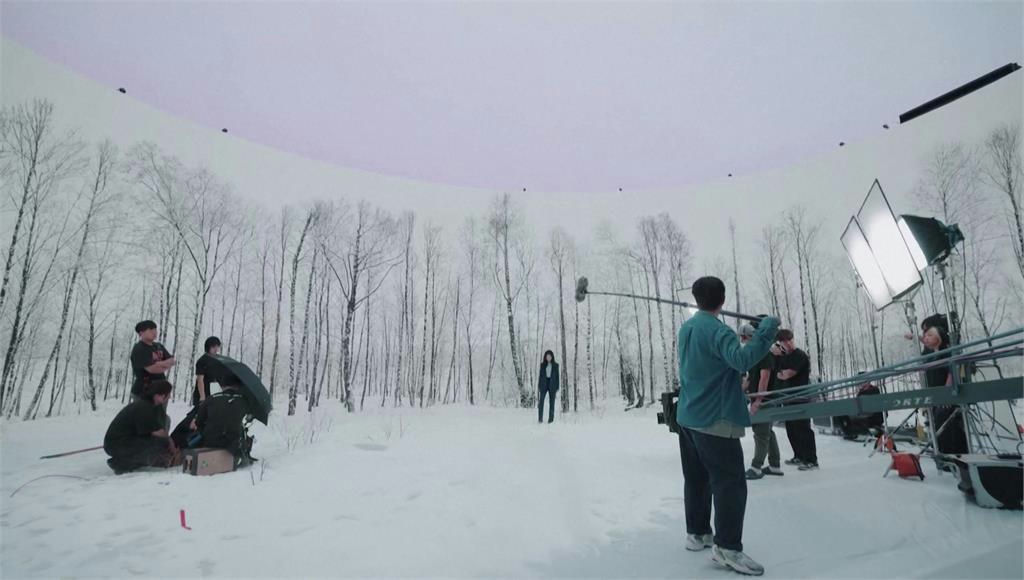
Similarly, the hit drama Queen of Tears employed Generative AI to create snow-covered forest scenes. The technology enabled highly detailed natural environments that seamlessly aligned with actors’ performances, expanding visual storytelling possibilities beyond what traditional filming methods could easily achieve.
In the film Wonderland, which directly explores AI-related themes, the production team combined conventional visual processing with AI-generated environments and voice synthesis. The voice of actor Gong Yoo was digitally recreated using AI based on his real speech patterns. Korean cinema has also experimented with AI-driven de-aging and the creation of characters that do not exist in real life.
Beyond film and television, AI’s presence is rapidly expanding in music and entertainment. At the Korean Cultural Industry Forum held on December 18, 2025, Herald Economy noted that AI is expected to evolve from a production aid into a technology-driven Hallyu wave, with AI artists potentially replacing human performers in certain areas.
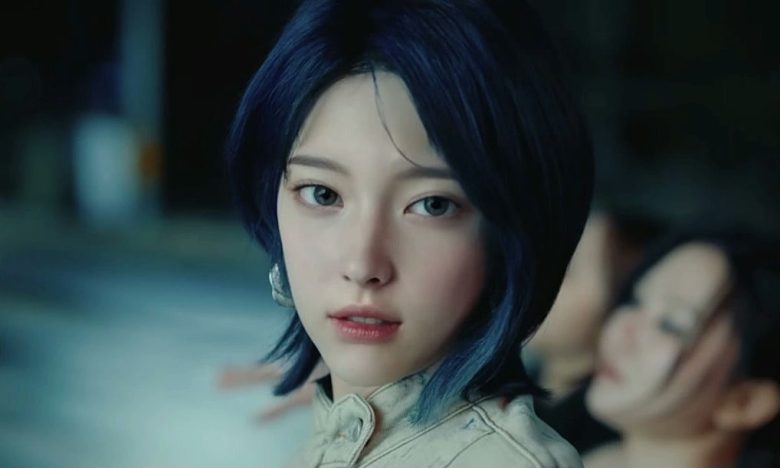
Virtual K-pop groups such as MAVE:—whose members are created using machine learning, deepfake technology, and 3D CGI—have already gained attention as pioneers of this shift. SM Entertainment’s AI artist Naevis also debuted independently in 2024 with her first single, featuring AI-synthesized vocals and visuals.
AI has further been adopted in K-pop music videos, particularly in scene creation and facial motion effects. aespa’s Supernova MV is one example where AI-generated facial movements and digital effects were blended with real performances to achieve a balanced, futuristic aesthetic.
According to YTN Science, government support has been instrumental in driving this transformation. Agencies such as the Korea Communications Agency and the Ministry of Culture, Sports and Tourism have implemented policies to fund AI-based content projects, train specialized talent, and build technical infrastructure capable of supporting large-scale, high-quality production.
Despite the rapid adoption, Lee Sang Hoon stressed that AI should be viewed as “a tool that expands creative capacity, not a substitute for human creators.” He identified the biggest challenge ahead not as technological speed, but as establishing ethical and legal standards for AI use.
“We must protect copyright and ensure that humans remain at the center of creative work,” Lee stated.
As South Korea pushes forward at record speed, the future of Hallyu appears increasingly intertwined with artificial intelligence—raising both exciting possibilities and critical questions about creativity, ownership, and the evolving role of human artists in a digital age.
Sources: vnexpress
You must be logged in to post a comment.