

Recently, controversy erupted online after actor Jung Hae In was seen attending an international fashion show, where some viewers claimed he appeared to be subjected to discriminatory treatment. In the video circulating on social media, Jung Hae In is seated between two foreign men who are shown sitting with their legs spread wide and carrying on a conversation over him, seemingly ignoring his presence.


Korean netizens reacted strongly, commenting that Jung Hae In looked visibly uncomfortable and appeared to be treated “like he wasn’t there at all.” Others criticized the lack of basic manners, questioning why such behavior was tolerated at a formal event.
This is far from the first time similar controversies have arisen. In the past, IU drew backlash after an incident in France where she was allegedly shoved on the red carpet by an influencer, an act often referred to by fans as a “shoulder bump.” The influencer later issued a statement explaining that the contact was accidental and not intentional, offering a public apology to IU.

BLACKPINK’s Jennie was also at the center of a heated discussion after Hollywood actress Margaret Qualley was seen touching Jennie’s hair and asking if it was real. Many viewers pointed out that touching someone’s hair without permission is disrespectful, and that questioning whether a non-white person’s hair is “real” carries racial undertones that should not be ignored.
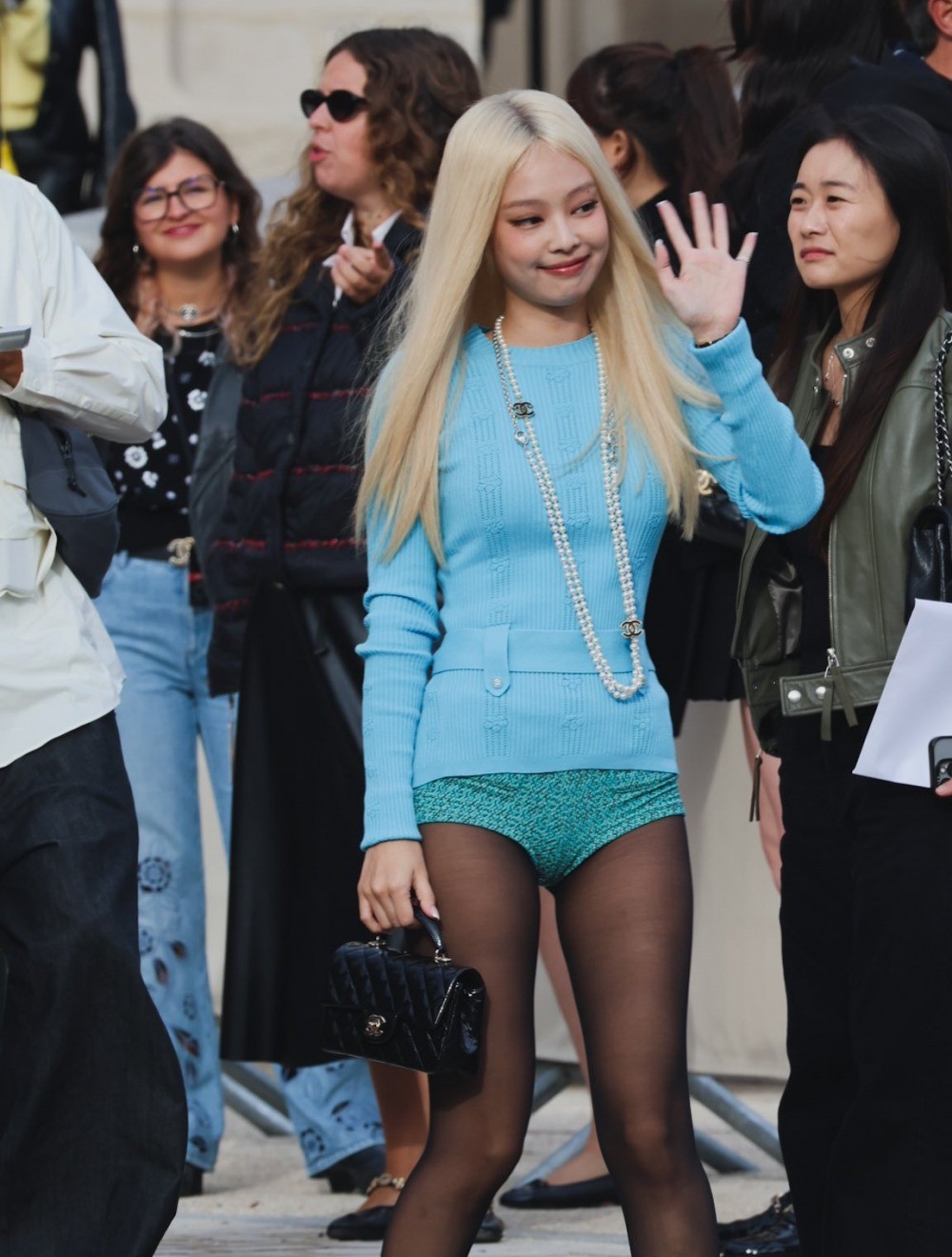
Rosé of BLACKPINK experienced a separate incident when a UK media outlet uploaded photos from Paris Fashion Week that included her, only to crop her out of the final images shared on the outlet’s official social media accounts. After fans voiced their anger, the outlet later posted Rosé’s solo photo and issued an apology, stating that the cropping was due to image resizing rather than intent.
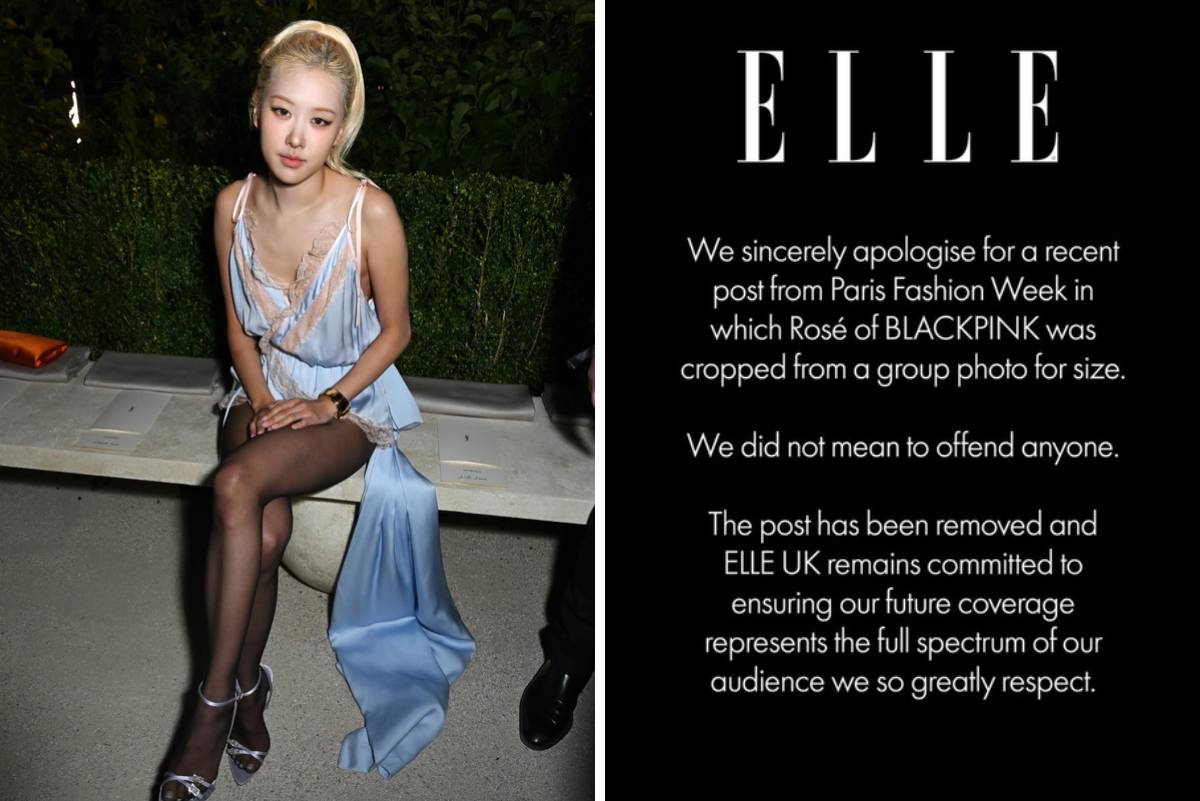
As these incidents continue to repeat themselves, public attention is increasingly focused on whether Korean stars are being subjected to subtle but persistent racial bias on the global stage. While some argue these situations are honest mistakes, others believe they reflect an underlying lack of cultural respect that international media and industry professionals must address more seriously.
Sources: Daum
You must be logged in to post a comment.