
Few stars in Chinese cinema enjoy the legendary status of Maggie Cheung, but even one of Asia’s most celebrated actresses was not immune to failure. After stepping away from acting to pursue a long-held passion for music, Cheung faced intense public criticism that left her emotionally devastated and living in self-imposed isolation for an entire year.
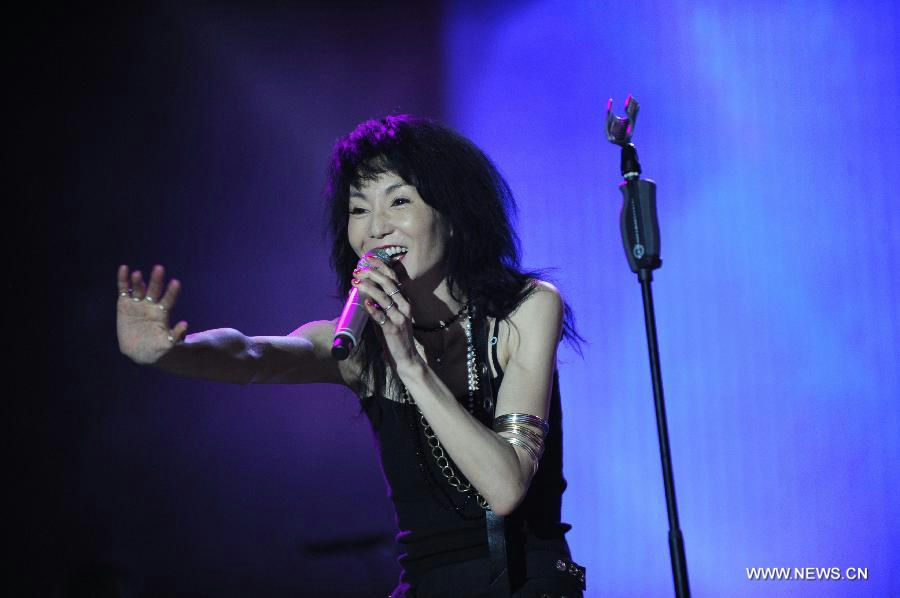
Around 2010, Maggie Cheung began writing songs and exploring music more seriously after stepping away from the film industry. In 2014, at the age of 50, she officially debuted as a singer, performing rock and indie music at China’s Strawberry Music Festival in Shanghai and Beijing.
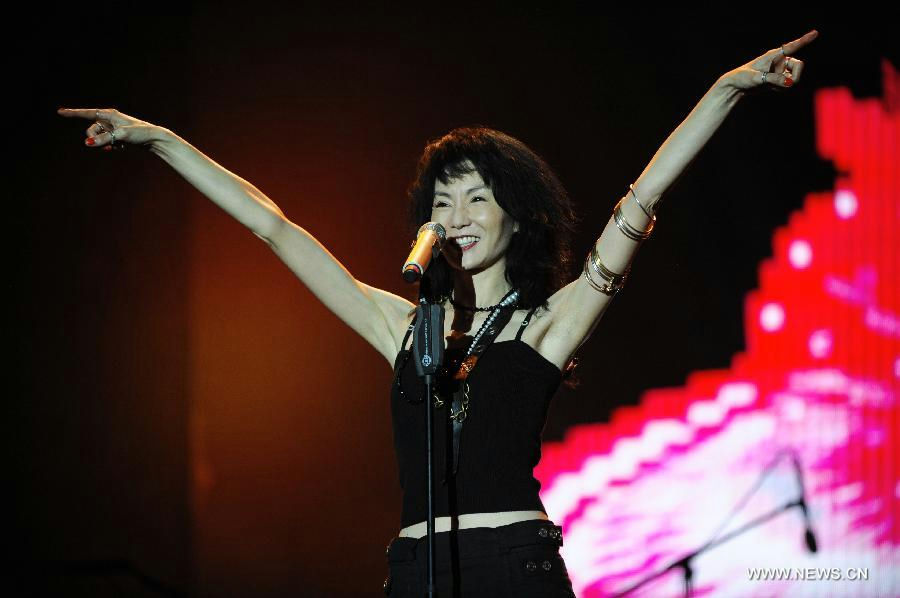
On stage, the actress embraced a carefree, edgy image that contrasted sharply with the elegant persona audiences had long associated with her. She performed songs including “Hello” and “Knockin’ on Heaven’s Door,” fully immersing herself in the experience.
However, the performance quickly became one of the year’s biggest entertainment controversies. Many audience members criticized Maggie Cheung’s raspy vocals, saying she sang off-key throughout the set. Chinese media published scathing reviews, with some outlets labeling the performance a “musical disaster.” Online commenters were equally harsh, with some using insulting descriptions of her singing voice.
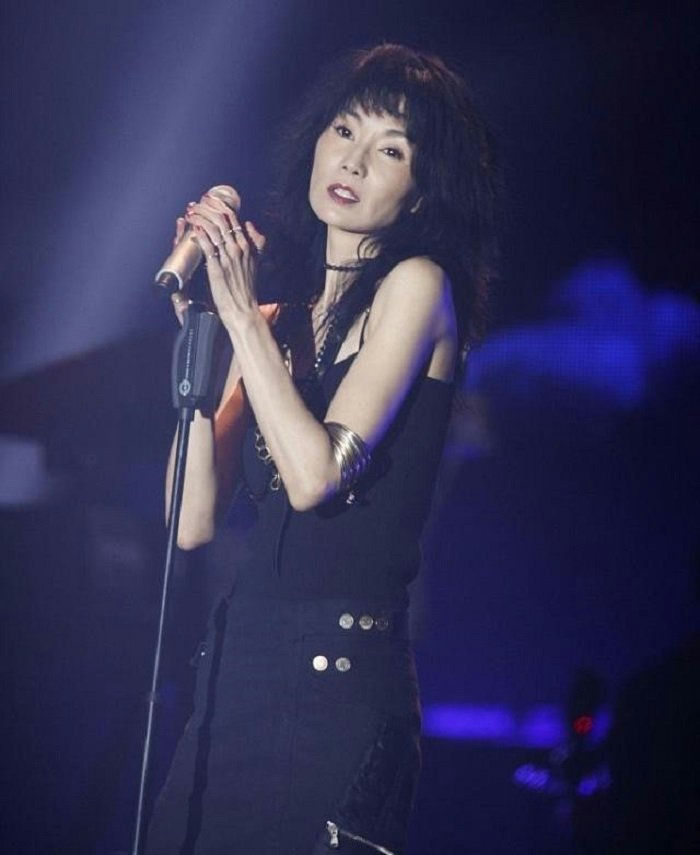
According to reports at the time, some concertgoers even left before her performance had ended, making it one of the rare occasions an A-list film star received such an overwhelmingly negative response after venturing into a new artistic field.
Five years later, Maggie Cheung finally addressed the painful experience during the 2019 variety show Master in the House.

She admitted the criticism left her heartbroken. Following the performance, Maggie Cheung said she cried continuously for days. After spending decades at the pinnacle of Chinese cinema, the failure of her musical debut came as an enormous emotional blow.
Embarrassed by the public reaction, she chose to isolate herself from the outside world. For an entire year, the actress rarely met friends, avoided people in the entertainment industry, and deliberately distanced herself from many personal relationships while recovering from the experience.
Despite the difficult chapter, Maggie Cheung says she has never regretted pursuing music. Rather than abandoning her dream, she continued teaching herself songwriting and composing from home, quietly developing her musical interests away from the spotlight. Her reflections have since resonated with many fans, illustrating the immense pressure public figures face when stepping outside the fields that made them famous.
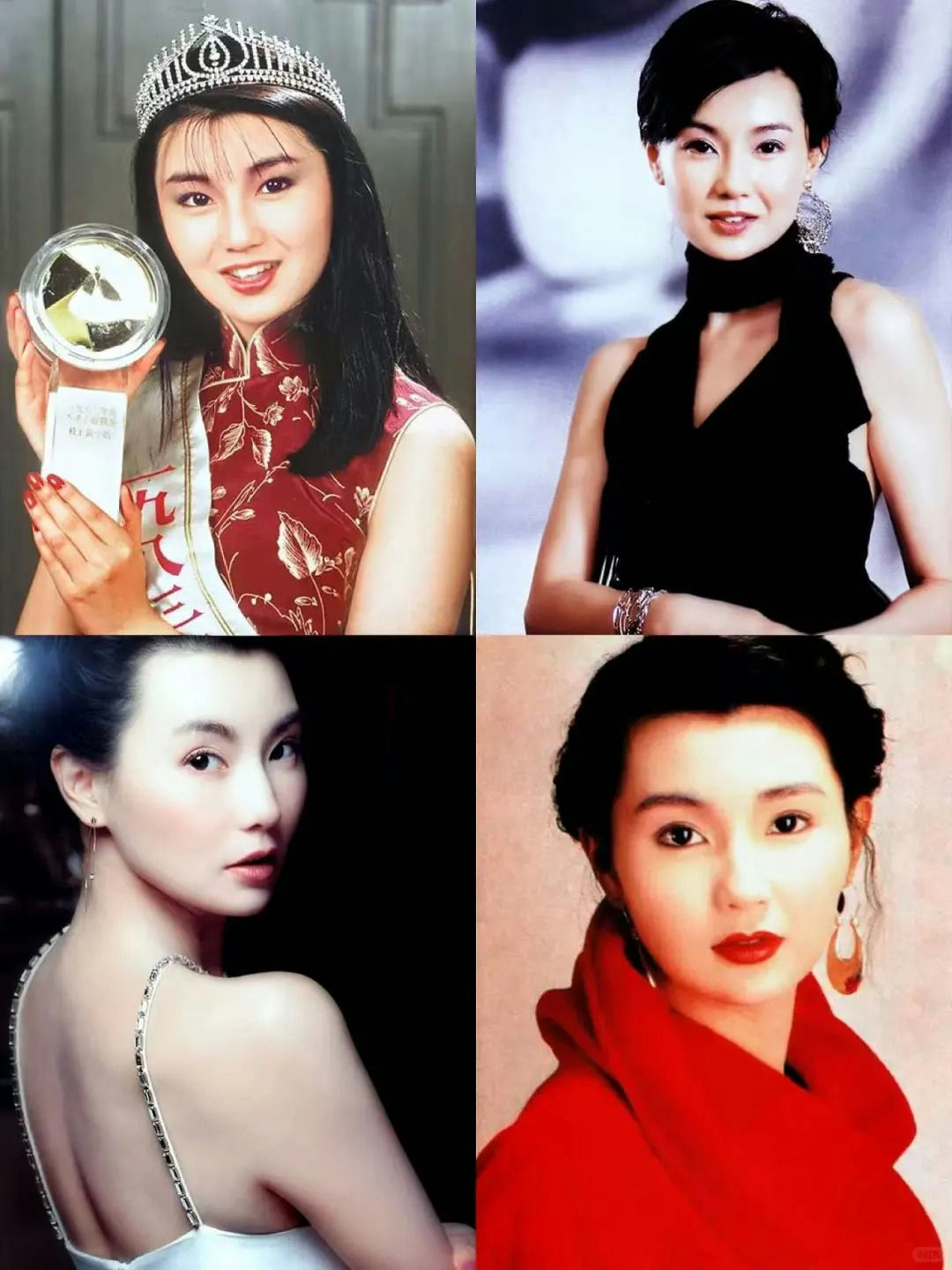
While her music career may have been met with criticism, Maggie Cheung's place in film history remains secure. Born in 1964, she entered the entertainment industry after finishing first runner-up at the 1983 Miss Hong Kong pageant. Initially dismissed as merely a beautiful face, she soon proved herself to be one of the finest actresses of her generation.
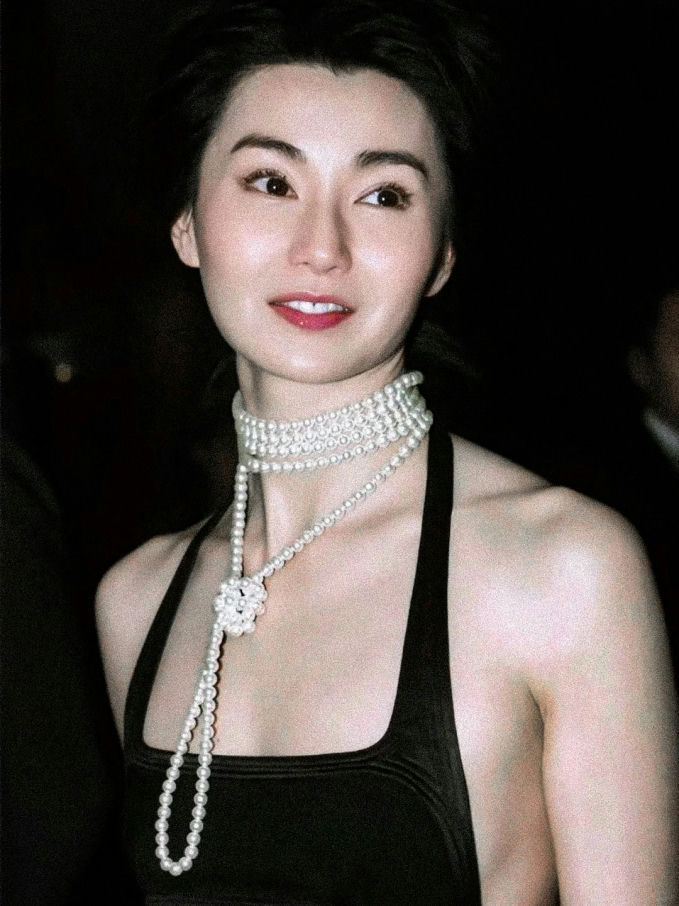
From the late 1980s through the early 2000s, she collaborated with acclaimed directors including Wong Kar-wai, Ann Hui, and Zhang Yimou, starring in classics such as: As Tears Go By (1988), Days of Being Wild (1990), Center Stage (1991), Green Snake (1993), Comrades: Almost a Love Story (1996), In the Mood for Love (2000), Hero (2002).
Maggie Cheung's achievements remain unmatched by many of her peers. She holds the record for five Hong Kong Film Awards for Best Actress and has also won four Golden Horse Awards in the same category. In 1992, she received the Silver Bear for Best Actress at the Berlin International Film Festival for portraying silent film icon Ruan Lingyu in Center Stage. She made history again in 2004 by becoming the first Asian actress to win Best Actress at the Cannes Film Festival, earning the prestigious honor for her performance in Clean.

Following Clean in 2004, Maggie Cheung largely stepped away from acting, choosing a quieter life centered on her personal interests rather than continuing to chase cinematic success. Although her 2014 singing debut became the subject of ridicule, many fans believe the episode did little to diminish the extraordinary artistic legacy she built over more than two decades.
Instead, her story has come to symbolize something universal: even the most accomplished artists can stumble when they dare to leave their comfort zones in pursuit of a different dream.
Sources: K14
You must be logged in to post a comment.