
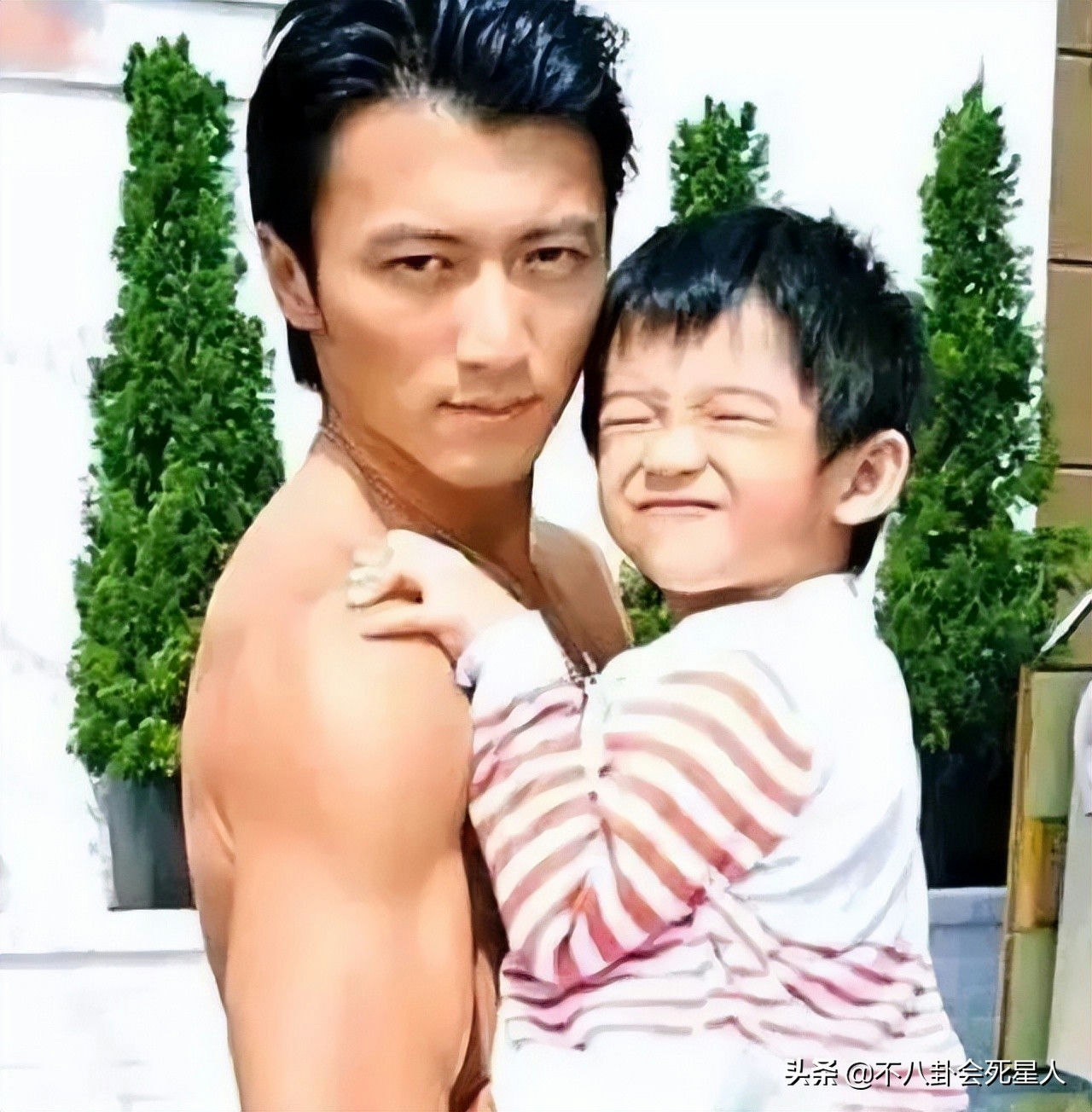
Born into fame and privilege as the son of two of Hong Kong entertainment’s biggest stars, Lucas Tse seemed destined for a glamorous life. However, behind the luxurious image attached to being a “second-generation celebrity,” the eldest son of Nicholas Tse and Cecilia Cheung has spent much of his childhood carrying the emotional scars left by his parents’ painful divorce.
As Lucas gradually enters his teenage years, discussions surrounding his upbringing and emotional state have once again become a topic of public attention. Many observers have begun to realize that despite the wealth and fame surrounding him, he may ultimately be one of the biggest victims of his parents’ once-fairytale marriage that ended in chaos.

Although Nicholas Tse reportedly possesses assets worth hundreds of millions of yuan and has tried to provide generously for his children financially, many believe material comfort alone has not been enough to heal the emotional wounds caused by a broken family.
More than two decades ago, Nicholas Tse and Cecilia Cheung were celebrated as one of the entertainment industry’s most beautiful celebrity couples. Their romance dominated headlines and was often described as a modern fairytale. However, in 2011, their marriage officially collapsed, triggering a prolonged custody battle and relentless media attention.
At the time, Lucas was still very young and was inevitably dragged into the center of the storm. His life became divided between two very different worlds — one filled with constant travel and flashing cameras alongside his mother, and another shaped by the limited moments he could share with his busy father.
Many believe this unstable upbringing left one of the deepest marks on Lucas’ childhood.
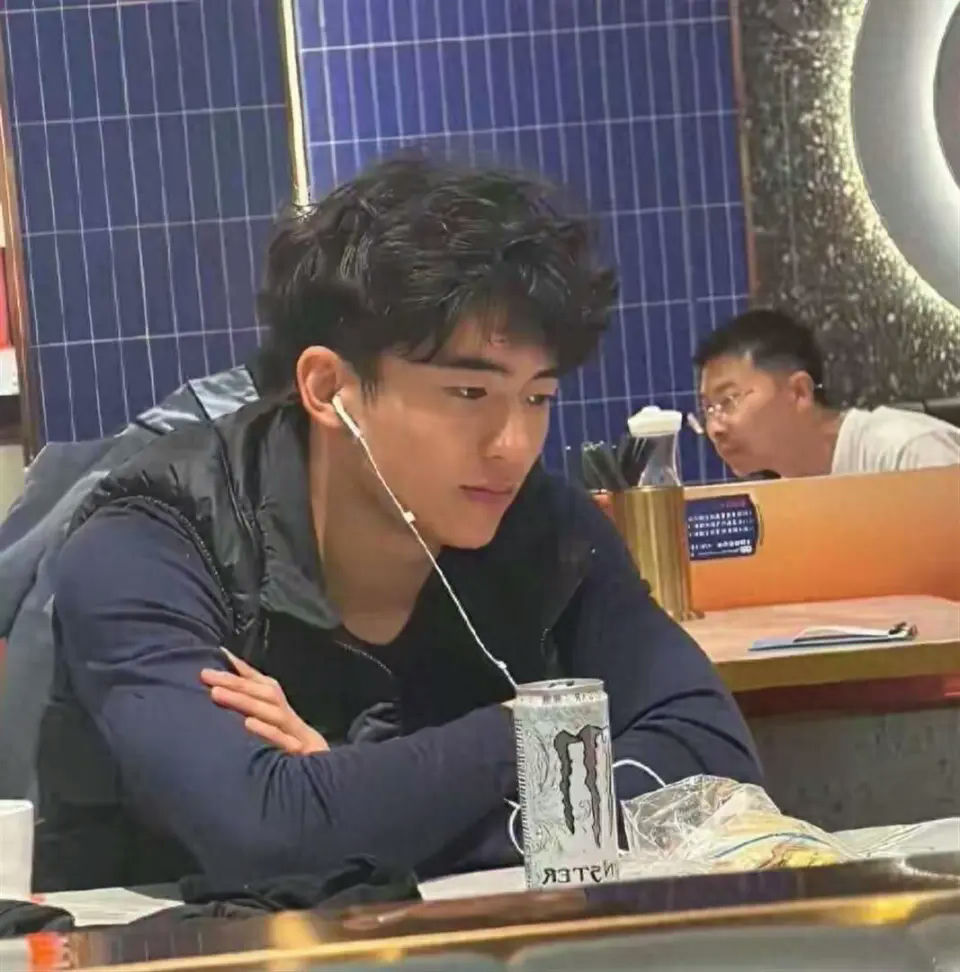
Over the years, Nicholas Tse achieved remarkable success across multiple fields, from rock music and acting to business ventures. As a father, he reportedly ensured that his children received the best possible material support, including elite private education, luxurious living conditions, and financial security for the future.
Yet while money can buy expensive gifts and opportunities, it cannot fully replace emotional presence. During the most important stages of Lucas’ growth, the absence of a consistently present father reportedly became a source of lasting sadness. Although Nicholas Tse has publicly expressed love for his sons on multiple occasions, his demanding schedule and physical distance often made maintaining a close father-son relationship difficult.
As Lucas grew older, some observers began noticing signs of emotional pressure. Reports and public appearances frequently described him as increasingly quiet, reserved, and mature beyond his age.

When spending time with his mother, Lucas often appeared to take on the role of the “little man of the house,” helping care for his younger brother and emotionally supporting Cecilia Cheung. Many believe this kind of premature maturity can reflect a child’s lack of emotional security. Instead of freely enjoying childhood, Lucas seemingly learned to carefully protect the fragile balance within his family environment.
For many children of divorce, the deepest pain does not come from financial struggles, but from losing the sense of stability and emotional safety that a complete family can provide. Lucas may appear to have everything from the outside, but many feel his inner world tells a very different story.
What makes the situation even harsher is the constant public scrutiny that comes with being born into a celebrity family. Every detail of Lucas’ personal life, family situation, and public appearance has been analyzed under the unforgiving lens of media and online discussions. Unlike ordinary children, he has never had the opportunity to heal privately away from public attention.

Even the enormous wealth and influence of his father cannot completely shield him from criticism, rumors, or the emotional longing for a united family.
Although Nicholas Tse has reportedly tried to repair and strengthen his relationship with his son over time, many believe certain emotional gaps created during childhood are difficult to fully mend once years have passed. The silence and reserved personality Lucas displays today are sometimes interpreted as a quiet reflection of those unresolved emotions.
Lucas Tse’s story has become a sobering reminder that when it comes to raising children, emotional presence often matters far more than financial success. No amount of wealth can truly compensate for missed years, broken family bonds, or the warmth children lose during painful separations. Childhood only happens once, and the emotional emptiness left behind can remain long after the public headlines fade away.
Sources:K14
You must be logged in to post a comment.