

For years, the Korean drama industry thrived on its lineup of A-list actors, where a single star’s name was enough to secure ratings success. But in 2025, that era seems to have ended. While the industry once banked on the influence of Hallyu’s brightest icons, this year has seen a string of high-profile flops, proving that audiences are no longer swayed by star power alone.
The only breakout both in buzz and quality so far has been When Life Gives You Tangerines. Beyond that, major projects tied to Korea’s top stars have stumbled both on television and streaming platforms.
Star Power Loses Its Magic
Once upon a time, casting an A-list actor meant guaranteed media hype. Now, it seems like a jinx rather than a blessing.
Lee Min-ho, once Hallyu’s golden boy, fronted When the Stars Gossip a nearly ₩50 billion drama hyped as a blockbuster. But instead of soaring, it became one of 2025’s most notorious failures, criticized for a dull script and bottom-ranked ratings. His next project, Omniscient Reader: The Prophecy, only deepened his image as “box office poison.”

His co-star, Gong Hyo-jin, long known as Korea’s “Queen of Ratings,” also faced backlash for When the Stars Gossip. Critics slammed her performance and chemistry, marking the first all-around failure in her career.
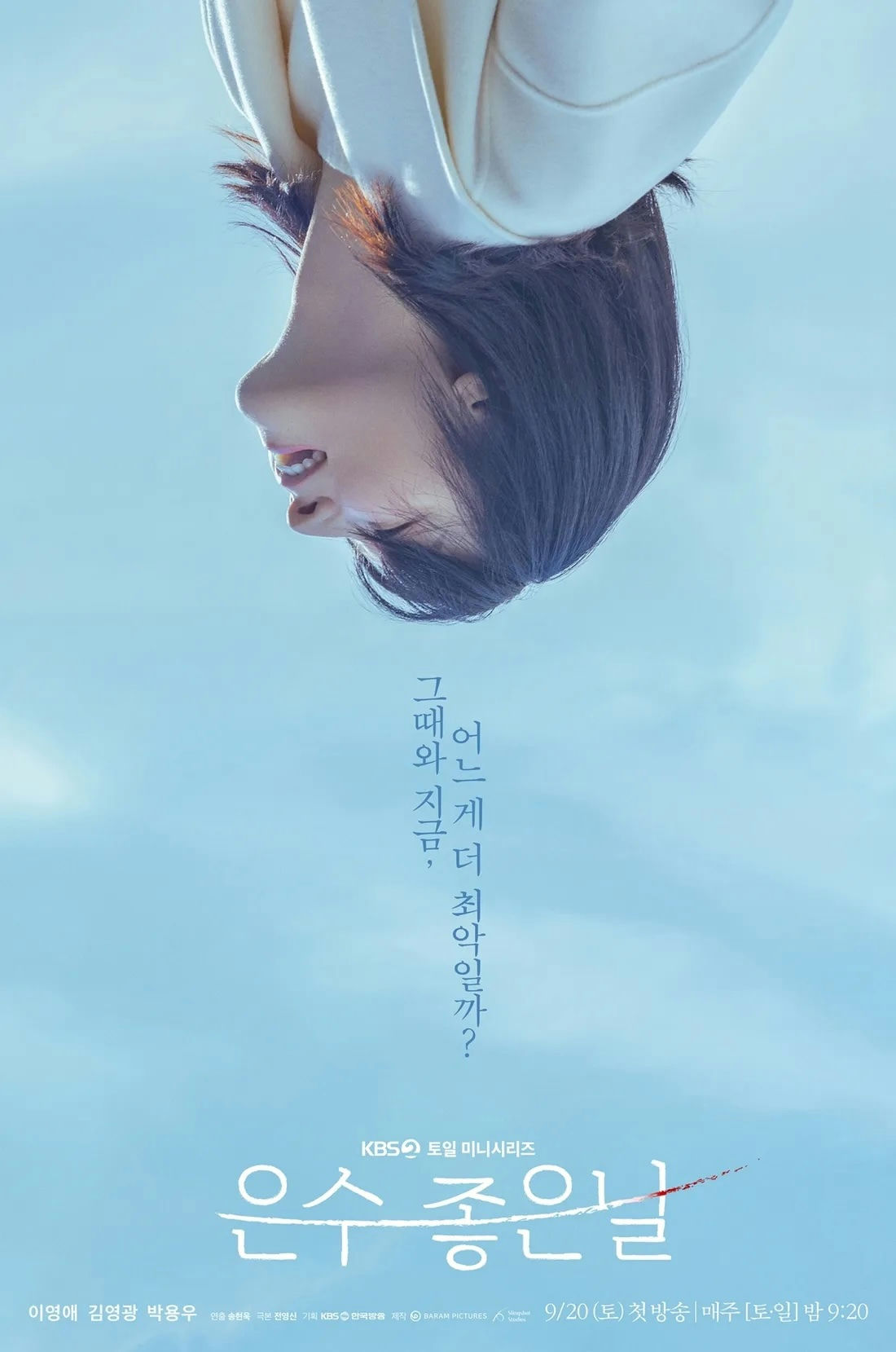
Lee Young-ae, an icon of Korean screen history, failed to revive her legacy with Walking On Thin Ice. Despite heavy investment, the drama barely made a dent in ratings or discussion.
Park Min-young, once adored for her rom-com roles, returned with Confidence Queen — but poor scriptwriting, weak ratings, and harsh commentary on her acting and appearance turned it into a misfire.

Song Joong-ki, previously a record-holder on JTBC, disappointed with My Youth. The drama’s lukewarm reception revealed how much audience taste has shifted from traditional “flower boy” narratives.

Even “visual power couples” failed to work magic. Genie, Make a Wish, starring Suzy and Kim Woo-bin (with a cameo by Song Hye-kyo), was written off as shallow and soulless despite heavy promotion.

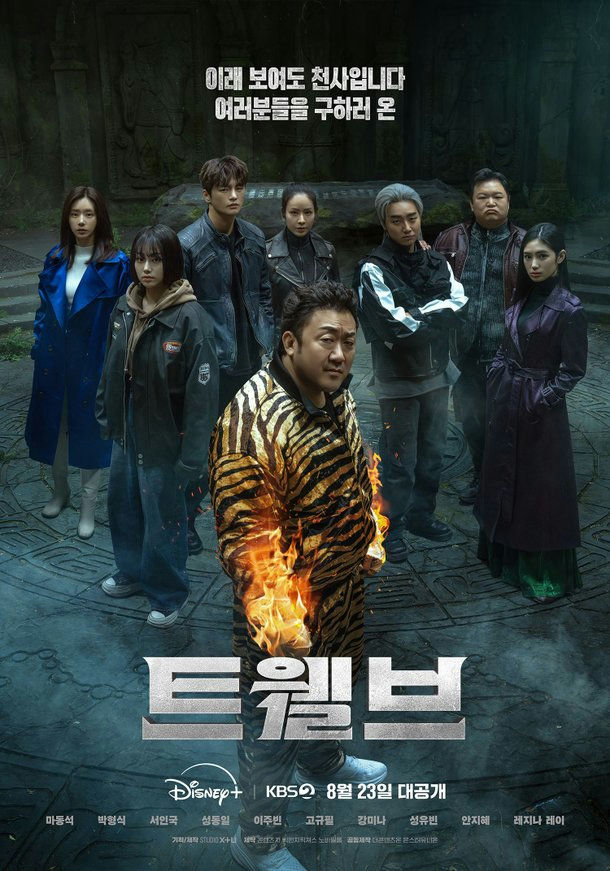
Ma Dong-seok, the undisputed king of Korea’s box office, tried his hand at television with Twelve. Yet, the project was met with apathy and low ratings, showing even his name could not command audience attention outside of action blockbusters.
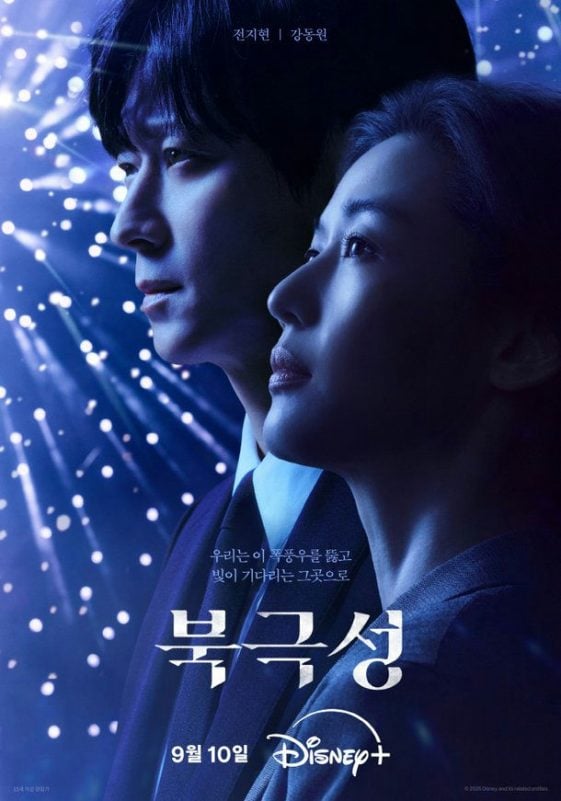
The biggest disappointment came with Jun Ji-hyun and Kang Dong-won in Tempest. Armed with two S-tier stars, a powerhouse production team, and a massive budget, the drama still flopped — boycotted in China, mocked at home, and forgotten in the end.
The collapse of these “untouchable” names illustrates a painful truth: content quality now matters more than celebrity appeal.
When Dramas Create Stars, Not the Other Way Around
While A-listers stumbled, lesser-known actors in fresh projects dominated conversations.
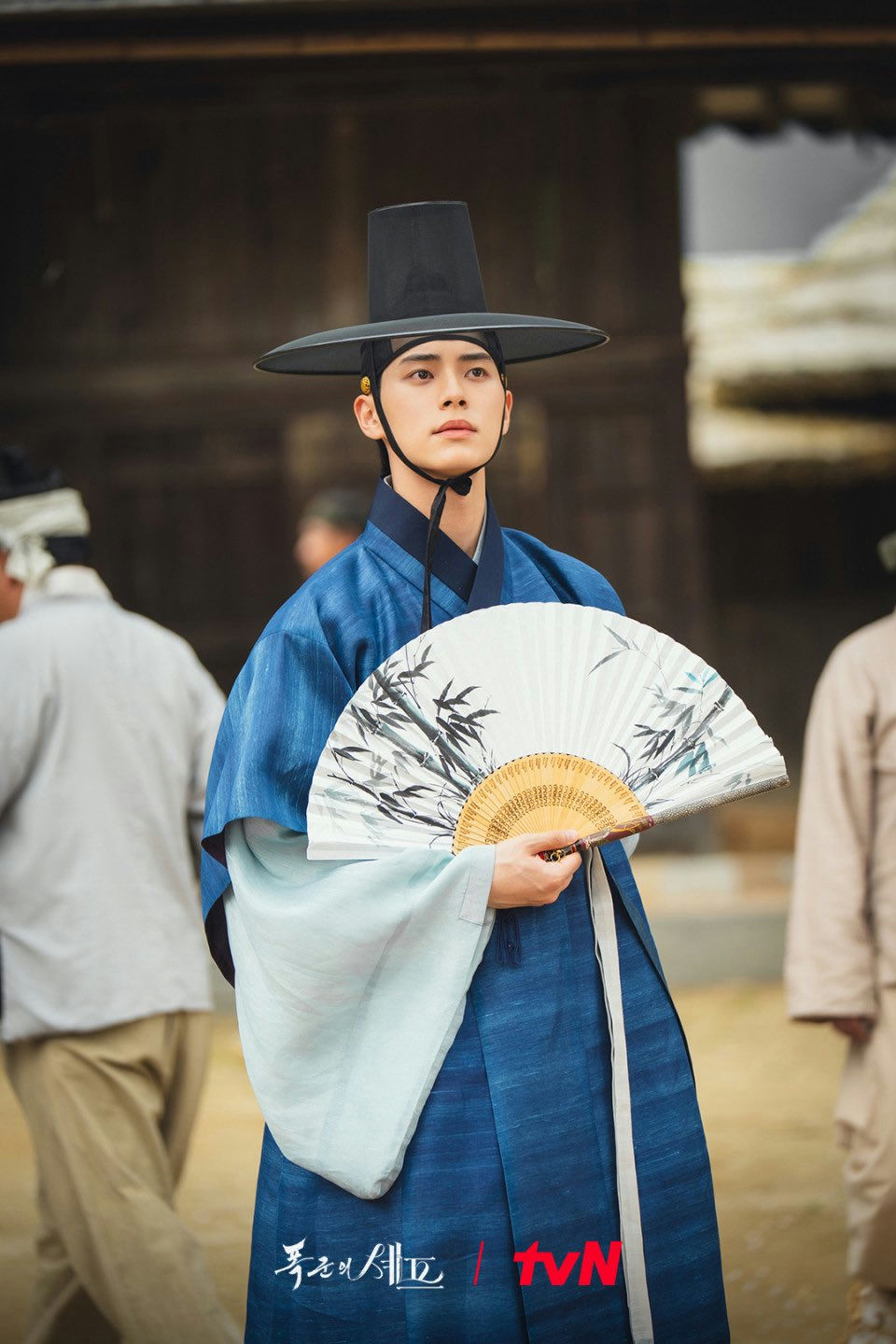
Bon Appétit, Your Majesty, a historical romance, became a surprise sensation across Asia. Despite low expectations and early controversy over its cast, the drama catapulted Lee Chae-min into overnight stardom. With his natural acting, unique visuals, and refreshing energy, he’s now hailed as the “golden rookie of 2025,” fielding over 30 new script offers.
The trend echoes the 2024 hit Lovely Runner. Initially a small-scale project, it exploded globally thanks to the undeniable chemistry between Byun Woo-seok and Kim Hye-yoon. Both actors have since ascended into A-list status, representing the “new generation” of K-drama stars.

The secret? Relatable storytelling. Both Lovely Runner and Bon Appétit, Your Majesty struck a chord with younger viewers by blending fantasy elements with sweet, easily viral romantic beats. In today’s streaming-dominated era, a single TikTok clip or catchy OST moment can outshine decades of star branding.
A Shift in Korean Drama’s Power Balance
The 2025 drama landscape makes one thing clear: big names no longer guarantee big results. Viewers, particularly global streaming audiences, seek authenticity, innovative plots, and emotional connection. They are ready to abandon outdated star vehicles in favor of fresh faces who bring real talent and better scripts.
While it’s too early to declare the end of Korea’s old guard of stars, rebuilding their reputations will take time. For now, the spotlight shines brightest on the “new wave” of actors — living proof that in today’s K-drama scene, content creates stars, not the other way around.
You must be logged in to post a comment.