
With just one day before the so-called “doomsday” predicted in a Japanese manga, anxiety is rippling through both social media and real-world sectors in Japan. The manga in question, which is “The Future I Saw” by Ryo Tatsuki, has not only gone viral but has also caused a significant dent in Japan’s tourism and public sentiment.
Tourism Takes a Hit while Locals Skeptical
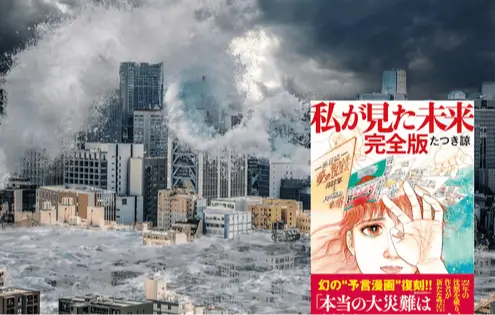
Originally published in 1999 and reissued in 2021, “The Future I Saw” recounts a dream foretelling a massive earthquake and tsunami set to devastate Japan and its neighbors on July 5, 2025. While Tatsuki has distanced herself from claims of prophetic powers, publicly stating that she is “not a prophet”, the uncanny accuracy of her earlier “prediction” of the March 2011 disaster has fueled a whirlwind of speculation and fear.
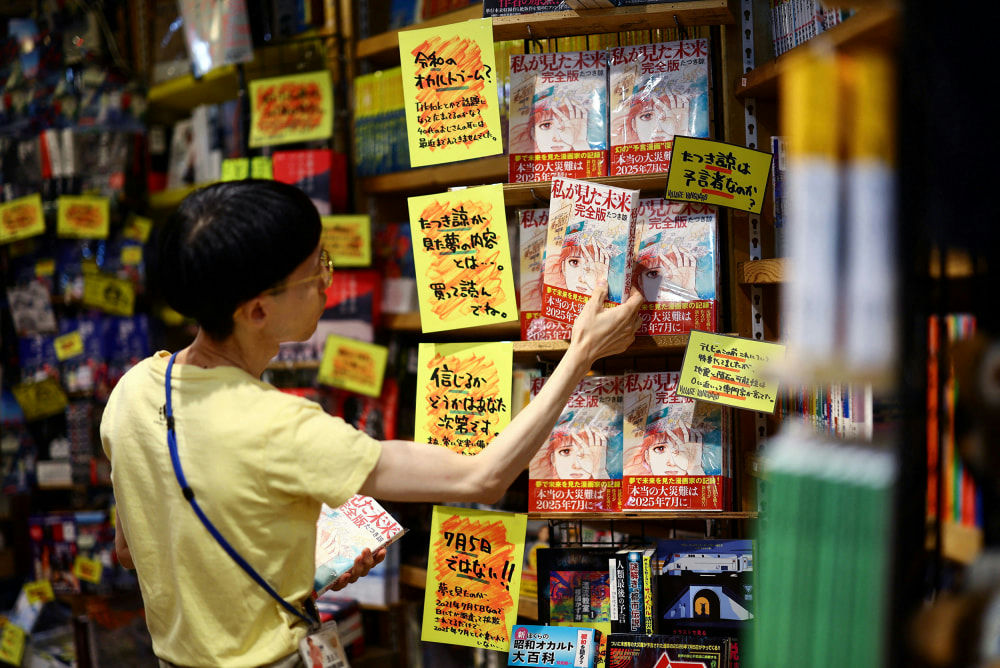
The rumor’s impact has been especially severe in the tourism industry. EGL Tours, a travel agency based in Hong Kong, has reported up to a 50% drop in bookings to Japan. “The rumors have had a significant impact,” said Steve Huen, a company representative. Meanwhile, budget airline Greater Bay Airlines has also announced the cancellation of routes to Tokushima, citing plummeting demand.
It seems that even promotional offers and earthquake insurance haven’t been enough to restore confidence among wary travelers.
Additionally, among tourists currently in Japan, fear is still palpable. Serena Peng, a visitor from Seattle, shared outside Tokyo’s Senso-ji Temple, “I’m not super worried right now, but I was before.”
Meanwhile, Reactions in Japan have ranged from sarcastic humor to grim resignation. Some online users mock the manga’s predictions, with one remarking, “If she’s right this time, I’ll believe her. Otherwise, she can disappear.”
Still, “The Future I Saw” remains a bestseller with over 1 million copies sold, even as Tatsuki steps back from the controversy.
Earthquakes and Anxiety
Japan sits squarely on the Pacific Ring of Fire, an area notorious for seismic activity. In recent days, over 900 minor tremors have been recorded around southern Kyushu, reinforcing public concerns.
Still, experts remain firm. Professor Robert Geller, a seismologist at the University of Tokyo, dismissed any scientific basis for such predictions, stating that no earthquake prediction, even those with scientific basis, has ever been accurate in his lifetime.
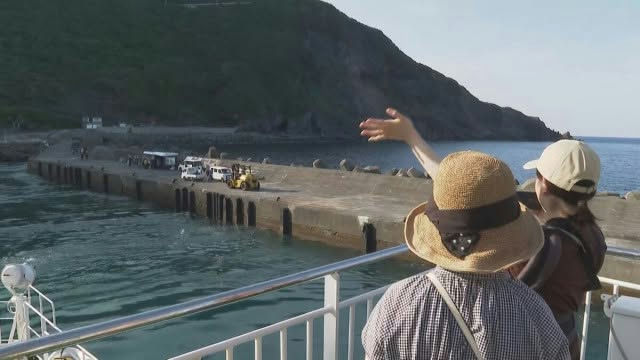

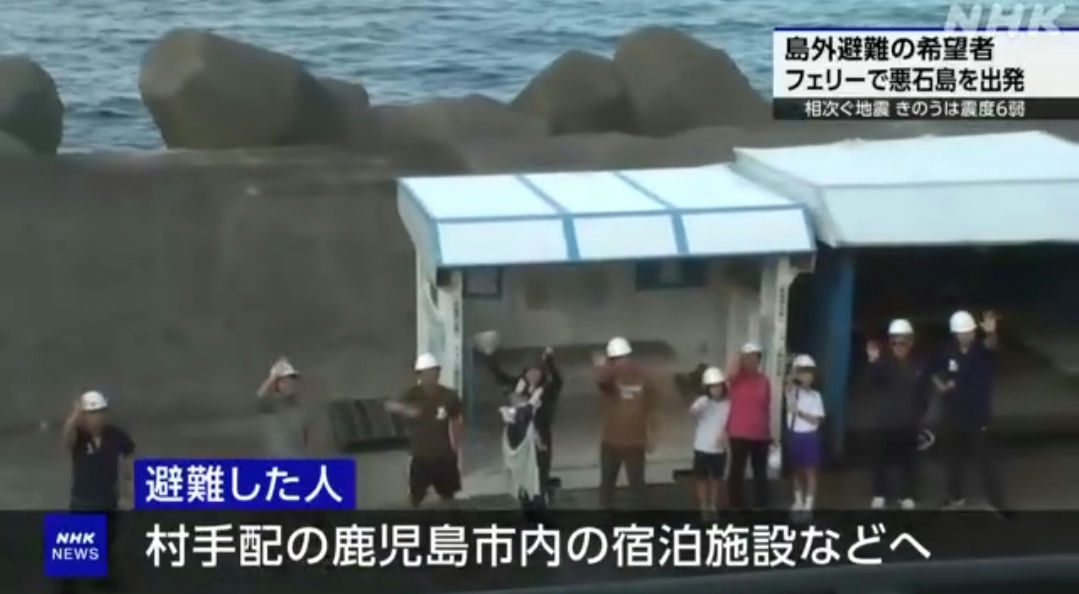

Despite expert assurances, fear is being amplified by Asian feng shui experts, some of whom predict a major quake between June and August. This is further complicated by official government warnings about the Nankai Trough Earthquake, which, while expected within decades, adds weight to an already jittery public.
In fact, panic buying, especially of rice and emergency goods, has surged in response to past warnings, highlighting how sensitive the public is to disaster speculation.
Local leaders have expressed concern about the viral panic. Miyagi Governor Yoshihiro Murai labeled the rumors a real problem, while Tokushima Governor Masazumi Gotoda reminded the public that natural disasters can happen anytime, anywhere.
As Bloomberg columnist Gearoid Reidy put it, the real lesson here is not about a comic book prophecy, but the reminder that in Japan, the next big disaster isn’t a matter of “if,” but “when”.
You must be logged in to post a comment.