
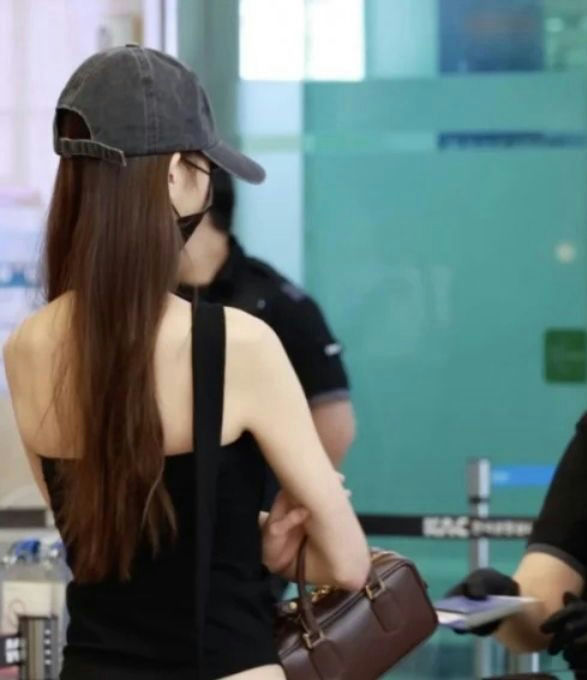
A recent online controversy involving Jang Wonyoung has evolved beyond discussions about the idol’s behavior and into a broader debate about airport identity verification procedures in South Korea.
According to reports, an official civil complaint was submitted to the security management division of Korea Airports Corporation on June 15, requesting clearer public guidelines regarding identity verification standards at airports under the corporation’s jurisdiction. The complainant reportedly argued that passengers should be able to easily access official information regarding identity verification requirements during the departure process.
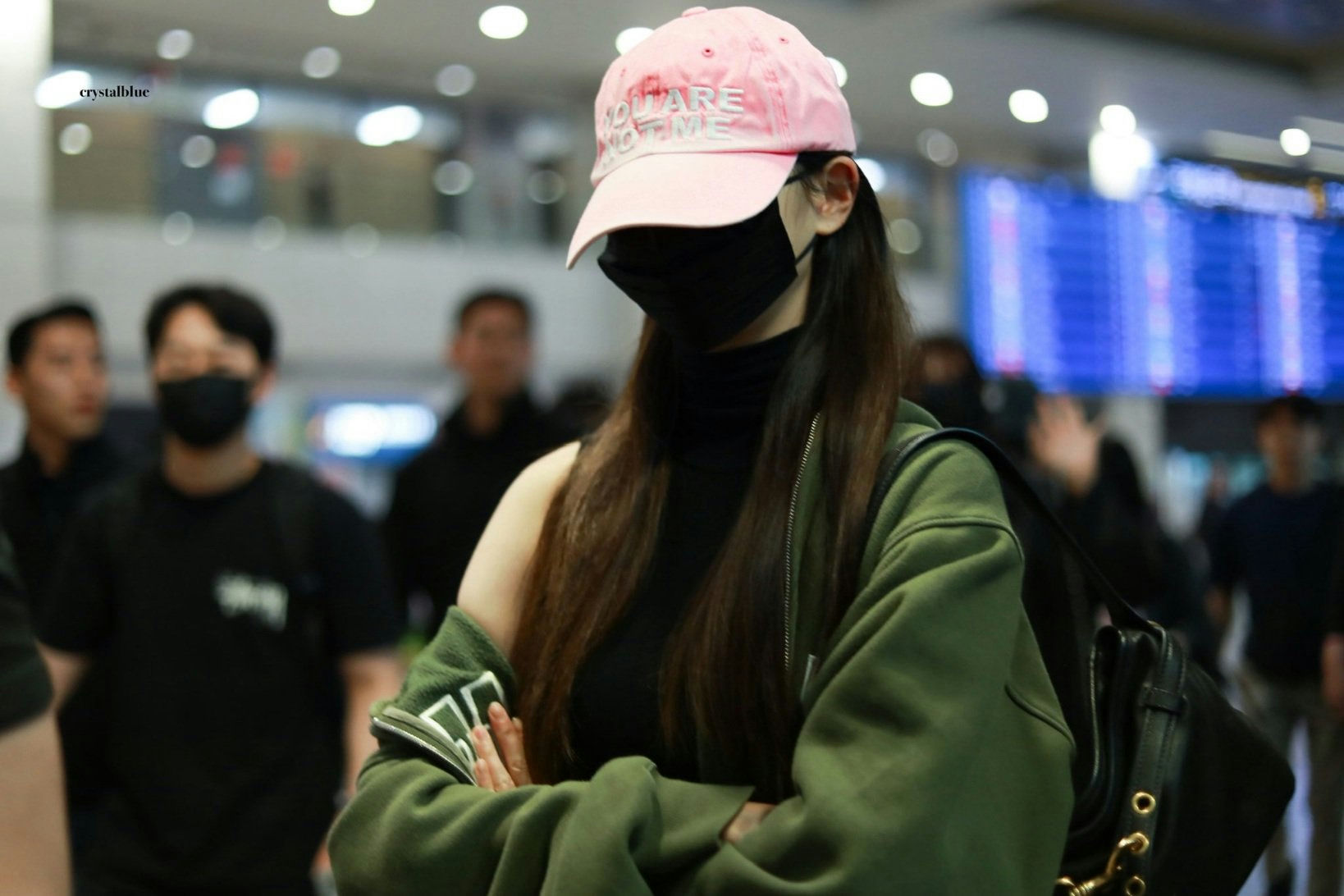
Specifically, the complaint requested clarification on whether travelers are required to temporarily remove items such as: face masks, hats and sunglasses. The complaint also asked whether such standards are applied consistently across all airports operated by Korea Airports Corporation, including Gimpo International Airport. The corporation is expected to provide a response by June 23.
The complaint stems from a departure video featuring Jang Wonyoung at Gimpo International Airport on May 30. The IVE member was departing for Shanghai when airport personnel conducted a routine identity verification process.
According to the report, an airport employee requested that Jang Wonyoung lower her face mask so that her appearance could be compared with her passport photograph. She subsequently lifted her hat and lowered her mask to comply with the request. However, after videos of the interaction circulated online, some internet users criticized her response and claimed that she appeared uncooperative during the process. The discussion eventually developed into what became known online as a “behavior controversy.”
Rather than centering solely on Jang Wonyoung’s actions, the complainant argued that the more important issue is whether passengers clearly understand the procedures they are expected to follow. The complaint stated that if travelers are required to remove masks, hats, or sunglasses for identity verification, the relevant regulations and responsible departments should be clearly identified and publicly accessible. It also raised concerns that unclear guidelines could increase the burden on airport staff tasked with conducting security checks.
Another key issue raised in the complaint concerns consistency. The complainant requested confirmation that the same standards are applied equally to all passengers regardless of social status, profession, or public recognition. This includes celebrities, politicians, business leaders, and ordinary travelers. The request seeks assurance that airport security procedures are enforced uniformly without exceptions based on fame or influence.

Under Article 15-3 of South Korea’s Aviation Security Act Enforcement Decree, airport operators are authorized to compare boarding passes and identification documents to verify a passenger’s identity. If identity cannot be sufficiently confirmed through photographs alone, additional verification measures, including questioning, may be conducted.
Meanwhile, Incheon International Airport already displays notices informing travelers that they may be asked to temporarily remove masks, hats, and sunglasses during the identity verification process. The incident has sparked wider discussions online about transparency in airport security procedures and the importance of clear communication between airports and passengers.
While opinions remain divided regarding the original controversy involving Jang Wonyoung, the filing of the complaint has shifted attention toward whether current airport verification standards are sufficiently explained and consistently enforced.
Sources: 네이트 뉴스
You must be logged in to post a comment.