
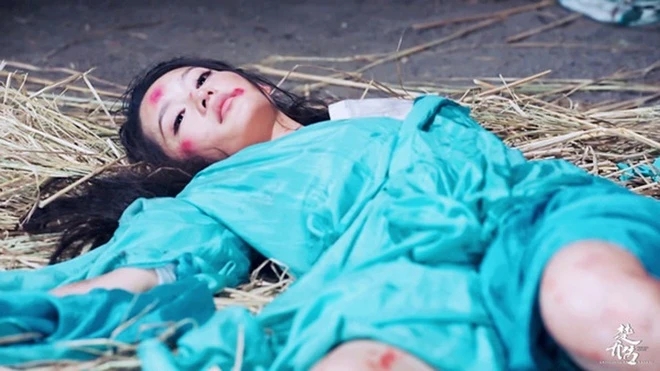
Chinese historical fantasy drama Rebirth marketed as the sequel to hit series Princess Agents is facing growing criticism after a controversial flashback scene involving Princess Yuan Chun ignited fierce debate among viewers.
According to Sina, the drama has already struggled to meet expectations due to weaker performances from its younger cast and direction that many critics say falls far short of the acclaimed 2017 original. The latest backlash, however, centers on one particularly divisive scene involving actress He Meng, who portrays Princess Yuan Chun.
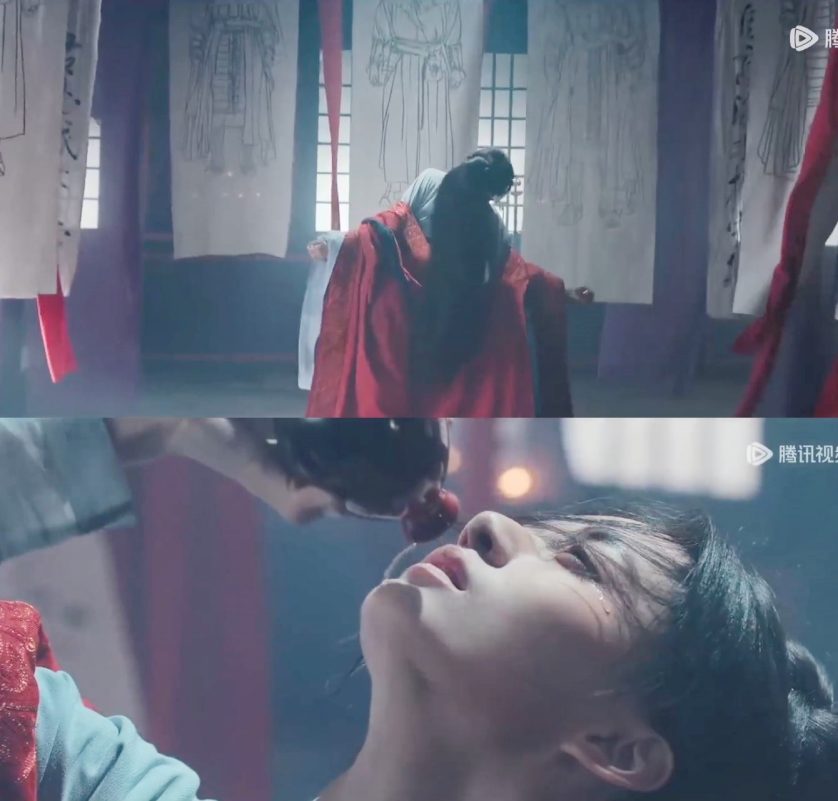
In the newly aired episode, Yuan Chun is shown drunkenly reliving traumatic memories of a past assault by soldiers. The flashback sequence has drawn outrage because of the way it was filmed: slow-motion shots, flowing costumes, stylized lighting, and cinematic framing that many viewers say “beautify” a deeply painful act of violence.
Critics argue that the scene transforms a traumatic violation into something visually aestheticized rather than emotionally respectful, accusing the production of exploiting female suffering for dramatic effect.
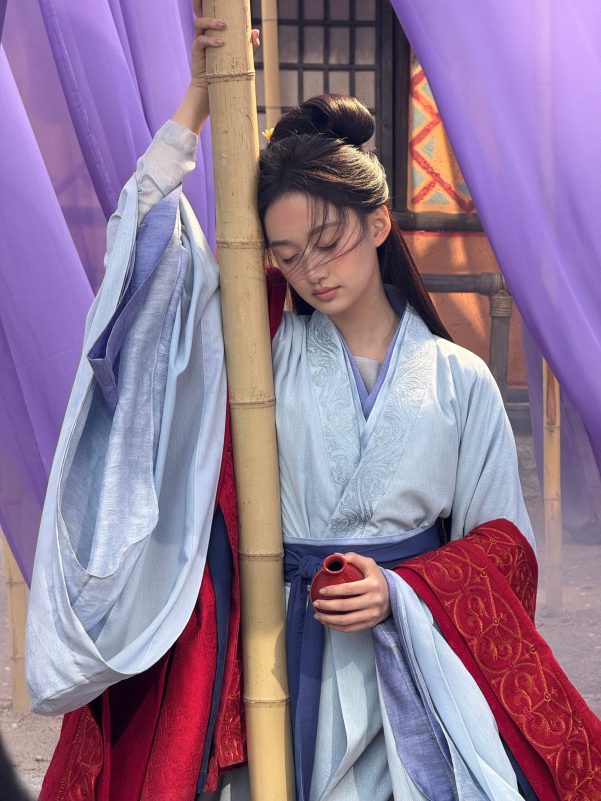
One of the most criticized elements is the contrast in framing: while Yuan Chun’s pain is shown in prolonged, intimate close-ups, male characters are filmed in composed, almost glamorous slow-motion shots. Many viewers described the sequence as emotionally disturbing not because of its violence alone, but because of the apparent lack of empathy in how it was presented.
Online criticism has been severe, with comments including:
- This is a terrifyingly distorted creative mindset.
- It looks like a music video instead of a tragedy.
- Why is women’s pain being beautified like this?
- The director seems to have no compassion for the victim.
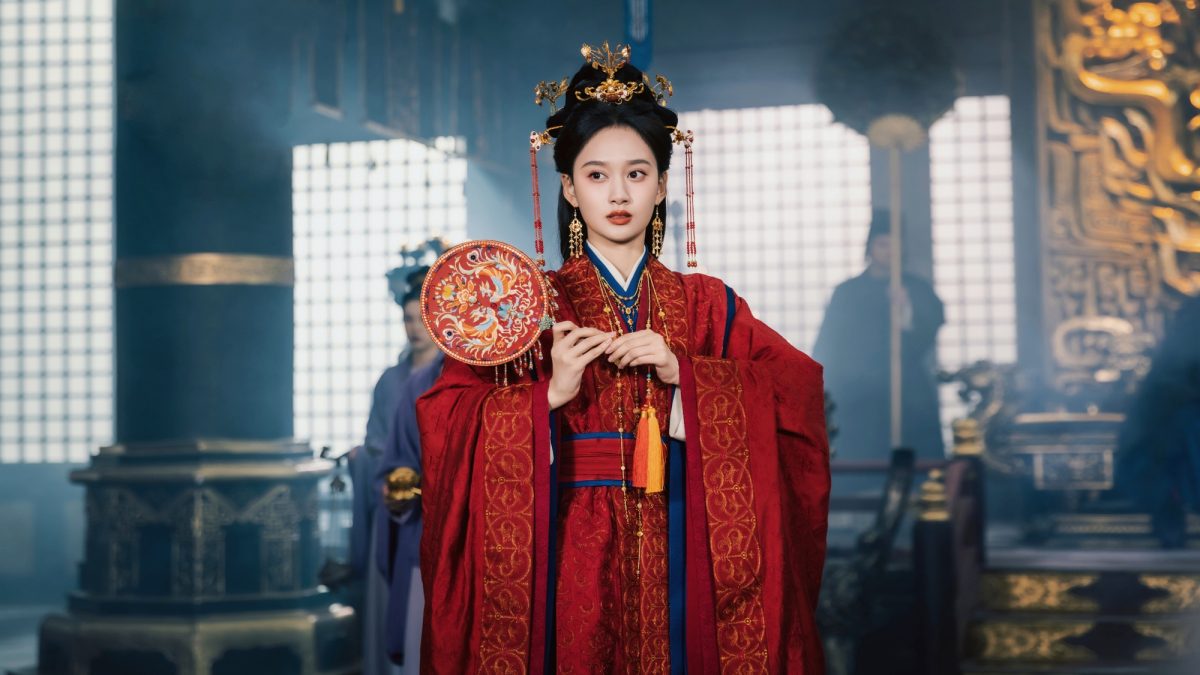
The backlash has also reignited comparisons with the original Princess Agents, in which actress Li Qin portrayed the same character with far greater emotional restraint and impact.
In the 2017 version, Princess Yuan Chun’s assault was implied rather than explicitly shown. The original director used torn clothing, bruises, and Li Qin’s vacant, devastated expression to communicate trauma without graphic visual sensationalism. Many praised that approach as more respectful and emotionally powerful.
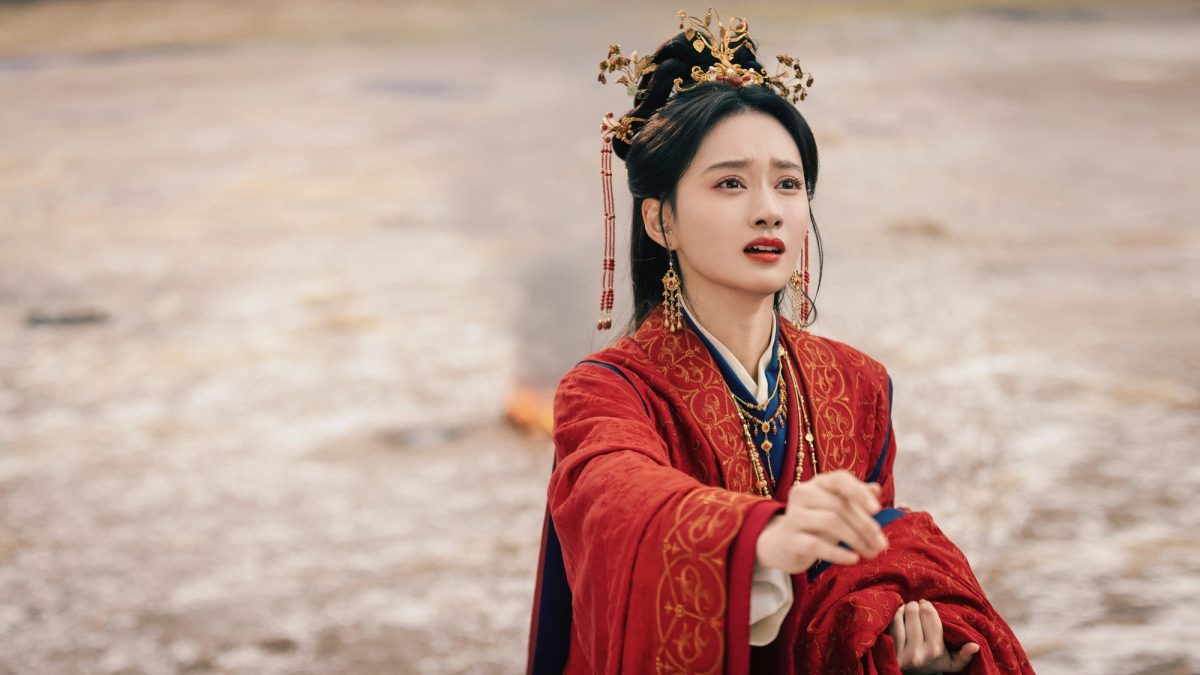
By contrast, viewers say Rebirth sacrifices emotional nuance for stylized excess.
He Meng’s performance has also come under scrutiny. Audiences have criticized her portrayal as stiff and emotionally disconnected, arguing that she fails to convey the psychological complexity that Li Qin brought to the role. Several remake scenes including Yuan Chun’s wedding breakdown and emotional pleas to Yan Xun have similarly been labeled flat and unconvincing.
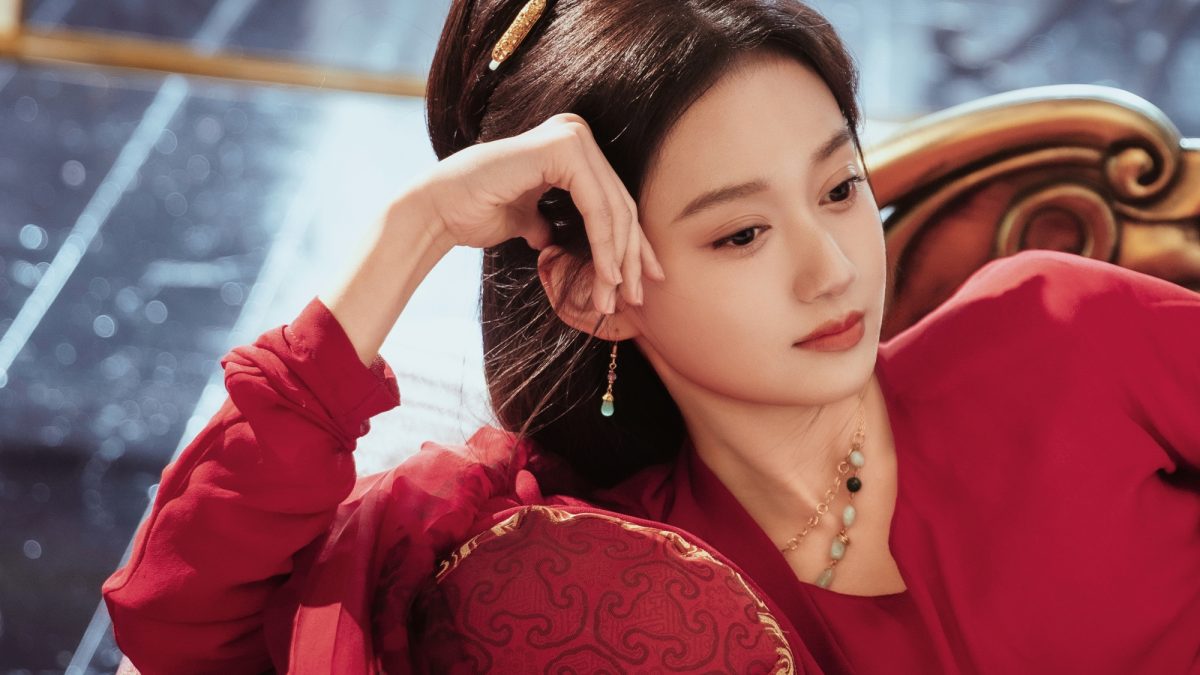
The criticism extends beyond a single sequence. Many viewers now argue that the drama’s younger cast as a whole lacks the emotional depth needed to carry such iconic roles, further weakening the sequel’s reception.
As controversy continues to spread across Chinese social media, Rebirth is becoming a flashpoint in broader discussions about how film and television depict violence against women and where the line lies between artistic stylization and ethical responsibility.
Sources: K14
You must be logged in to post a comment.