
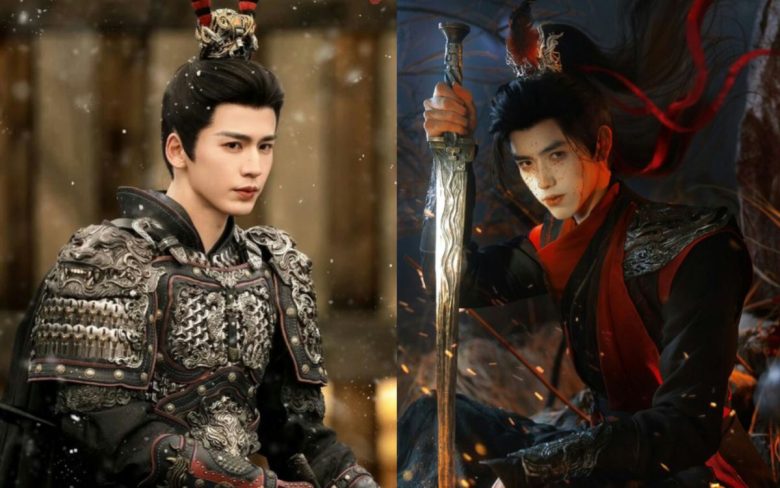
The rise of historical dramas in 2026 has brought not only a wave of new releases but also intense comparisons between leading actors—most notably Chen Feiyu and Zhang Linghe.
Following the conclusion of Zhu Yu and the premiere of Daytime Rising Lantern, audiences have quickly drawn parallels between the two productions, placing both actors under scrutiny—not just for their performances, but also for their project choices and overall impact.
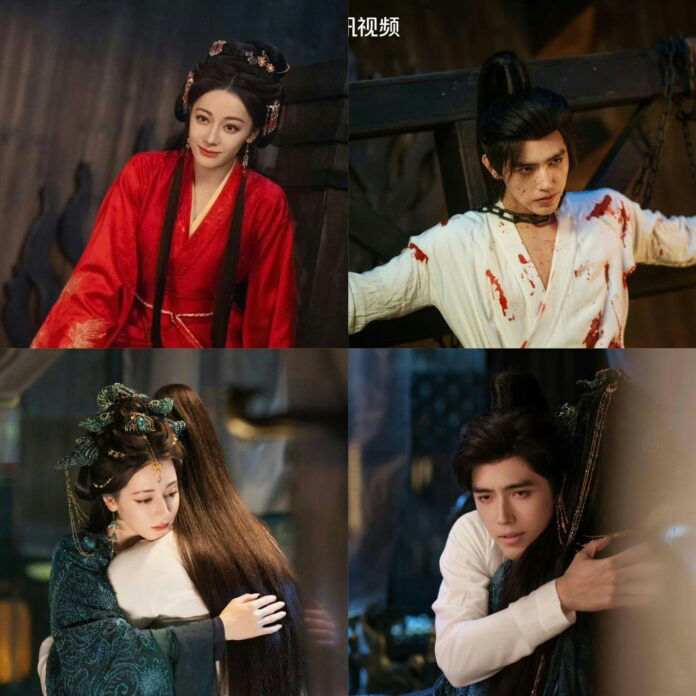
Daytime Rising Lantern, starring Dilraba Dilmurat and Chen Feiyu, garnered strong attention from the outset thanks to its high-profile casting. The drama has been praised for its polished visuals, with carefully designed costumes, detailed sets, and a relatively restrained use of CGI that enhances realism.
In particular, action scenes have been noted for their authenticity, as characters retain signs of battle rather than appearing overly stylized. Chen Feiyu’s performance, alongside Dilraba’s, has also been recognized as an improvement compared to their previous works. While some viewers feel emotional depth could still be refined, both actors demonstrate a more committed and serious approach to their roles.
On the other hand, Zhu Yu, featuring Zhang Linghe and Tian Xiwei, has become a focal point of mixed reactions. Critics argue that the drama struggles to balance action and romance, leading to moments that feel inconsistent or lacking in narrative logic—especially within battlefield settings.
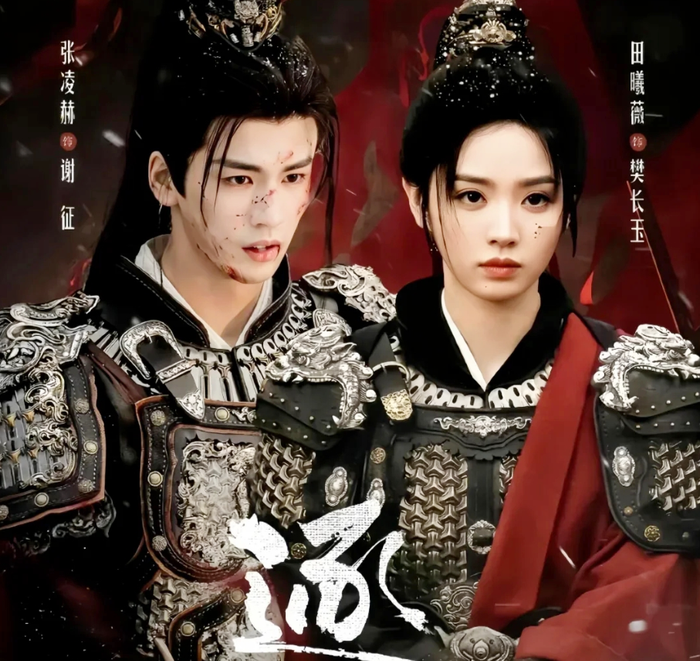
Additionally, the styling and character presentation have sparked debate. Some viewers feel the drama prioritizes aesthetic appeal over realism, with characters appearing overly polished even in intense war scenarios. The storytelling, at times, leans heavily into romance, disrupting the overall narrative flow.
When placed side by side, the contrast becomes clear: Daytime Rising Lantern aims for grounded realism and cohesive production quality, while Zhu Yu leans more toward entertainment value and emotional storytelling.
As a result, Chen Feiyu and Zhang Linghe have inevitably been compared. One is associated with a more polished and balanced production, while the other is tied to a project that has sparked broader debate. This dynamic has shifted the conversation beyond acting ability, extending into how actors select their roles and the overall success of their projects.
Ultimately, this comparison reflects a larger trend within the historical drama genre—where creators continue to navigate the delicate balance between visual appeal, romantic elements, and narrative coherence. As audiences grow more discerning, the divide between those who prioritize aesthetics and those who value storytelling logic is becoming increasingly pronounced.
You must be logged in to post a comment.