

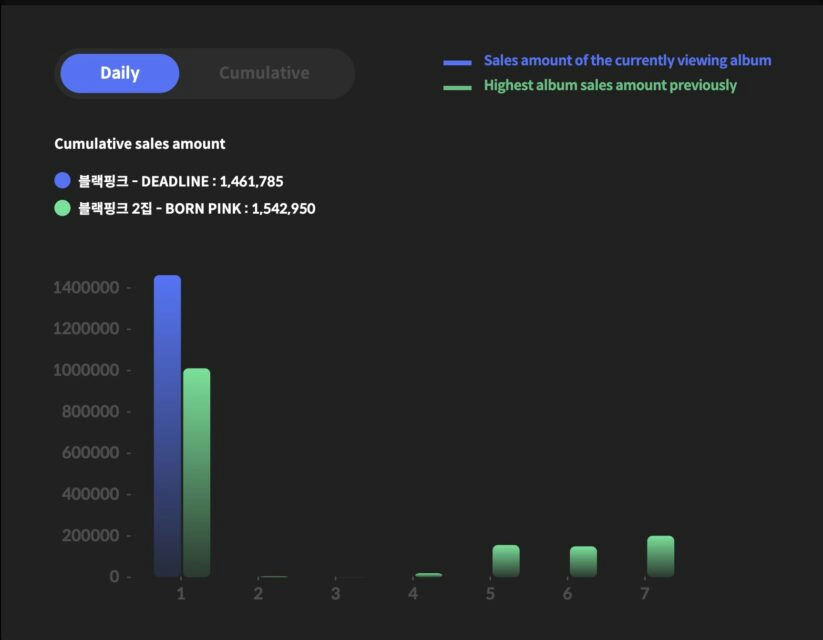
BLACKPINK recently returned with their new album Deadline, marking their first group release in several years. Despite mixed reactions from some netizens regarding the musical direction, the album has achieved remarkable commercial success, posting massive first-day sales and breaking multiple records.
However, beyond the celebratory headlines, the timing of the release has fueled online debate. As the ongoing legal dispute between HYBE and former ADOR CEO Min Hee Jin continues, newly disclosed court documents have intensified scrutiny of HYBE’s alleged business practices.
On February 26, details revealed in court reportedly stated that Min Hee Jin rejected a proposal involving sajaegi a controversial industry practice that refers to artificially inflating album sales by bulk-purchasing copies and later returning unsold stock. The documents further suggested that other HYBE-affiliated artists may have previously benefited from such methods. Allegations related to sajaegi have surfaced around HYBE in the past, making the revelation particularly sensitive.
Coincidentally, on the same day as Deadline’s release, major K-pop distributor Ktown4u shared videos showing large quantities of BLACKPINK’s albums arriving at its warehouse. Shortly afterward, additional clips were posted displaying staff individually packing customer orders for shipment.
The footage quickly spread on X (formerly Twitter), where fans began interpreting the transparency as a deliberate move. Some argued that publicly showcasing the distribution and packaging process was an indirect way of emphasizing legitimate sales activity potentially contrasting with the recent allegations involving HYBE. Observers pointed out that similar behind-the-scenes documentation has not commonly accompanied other recent album releases.
While neither YG Entertainment nor Ktown4u has commented on the speculation, the timing has led many to believe the move was more than coincidental. As BLACKPINK continues to dominate charts and sales figures, discussions about industry transparency and competition among major entertainment companies have once again taken center stage.
Sources: Koreaboo
You must be logged in to post a comment.