
During a recent live broadcast on a fan communication platform, Ryujin said, “I received many messages and criticism from people around me. I wanted to apologize and explain to my fans about putting my hand inside my pants.”

She explained, “The jumpsuit had ridden up too much and it was hurting me. I just pulled it down without thinking, but when I watched the video myself, I realized my hand went in quite far.”
Ryujin continued, “The jumpsuit felt like it was trying to split me in half and kill me,” describing how uncomfortable the outfit had been. She then apologized, saying, “But I understand that putting my hand inside my pants in a public place, especially on stage, was not appropriate. I think I made a mistake.” She also shared a humorous moment, revealing that a friend made her repeat three times: “I will not put my hand inside my pants in public places, especially on stage,” which made fans laugh.
The controversy that led Ryujin to apologize occurred during ITZY’s third world tour, “TUNNEL VISION,” held in Manila, Philippines, on July 11. During the performance, Ryujin was wearing a tight jumpsuit underneath a hot pants outfit. As the show continued, she appeared to feel uncomfortable and adjusted her clothing several times by putting her hand inside her pants. The moment quickly spread across social media platforms and online communities, leading fans to question what had happened.
After Ryujin’s explanation, many netizens expressed understanding, commenting, “That’s completely understandable,” “Tight jumpsuits and skinny pants can really be uncomfortable,” and “She must have been extremely uncomfortable.” Many also pointed out that during hot and humid weather, avoiding clothing that is excessively tight or restrictive can be beneficial for health.
Tight clothing may affect circulation and nerve function
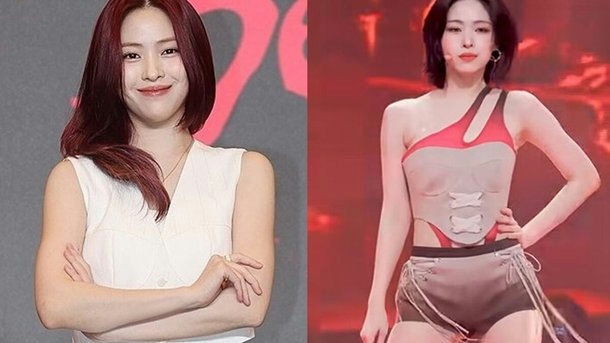
Jumpsuits, skinny pants, and fitted hot pants themselves are not necessarily harmful to health. However, wearing clothing that is significantly smaller than one’s body size or keeping tight garments on for long periods can interfere with blood circulation and put pressure on nerves, causing discomfort.
Common symptoms include leg numbness and swelling. Clothing that strongly compresses the waist, groin, or thighs may interfere with blood and lymph circulation, causing the legs to feel heavier, swollen, or fatigued. These symptoms can become more noticeable when performing intense movements or standing for long periods.
In addition, pressure on the lateral femoral cutaneous nerve, which runs along the outer thigh, can cause a condition known as meralgia paresthetica. Symptoms may include burning sensations, numbness, or reduced sensitivity in the thigh. Tight pants, belts, and compression garments are considered possible contributing factors.
Poor ventilation may increase risk of irritation and infections
From a women’s health perspective, extremely tight clothing also requires caution. Wearing tight pants, jumpsuits, or clothing made from materials with poor ventilation for extended periods can trap sweat and moisture, potentially changing the external genital environment. According to gynecological experts, this may increase the likelihood of skin irritation or vaginal infections.
However, vaginal infections are caused by multiple factors, including bacteria, fungi, and hormonal changes. Therefore, tight clothing should be viewed as a factor that may increase risk rather than a direct cause.
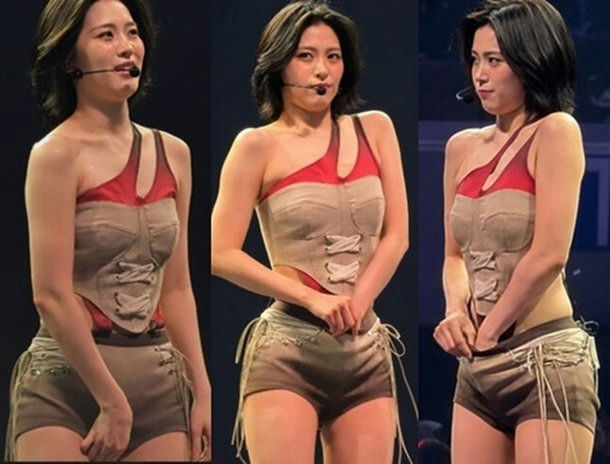
Clothing that strongly compresses the waist may also increase abdominal pressure and worsen symptoms such as heartburn or acid reflux. Medical guidelines for digestive disorders often recommend that people with reflux disease avoid clothing that tightly constricts the abdomen.
Stretching can help after wearing tight outfits for long periods
Experts recommend choosing fitted clothing that matches one’s body size and selecting materials with good elasticity and breathability when wearing tight outfits. For people who need to wear such clothing for extended periods, changing posture regularly and moving the waist and legs can help improve circulation.
After removing restrictive clothing, changing into comfortable clothes and gently stretching the calves and thighs can also help. Simple exercises, such as pulling the toes toward the body and relaxing them repeatedly 20 to 30 times, or stretching the calves for around 30 seconds, may support blood circulation and reduce swelling. Light walking and drinking enough water can also help relieve fatigue and discomfort.
However, if symptoms such as persistent numbness, unusual sensations, or pain continue for several days after removing tight clothing, medical advice should be sought, as the cause may involve nerve damage or another underlying condition rather than simple pressure from clothing.
Sources: Nate
You must be logged in to post a comment.