
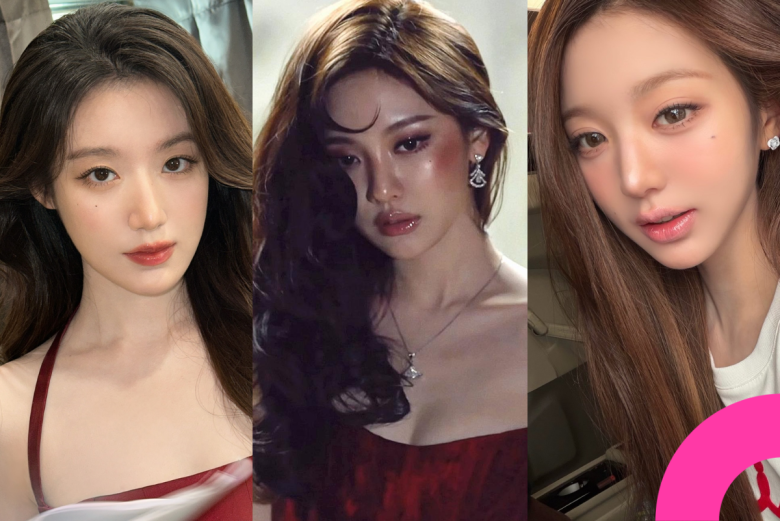
A recent viral discussion on social media has reignited debate over which fourth-generation female K-pop idols are most frequently criticized for allegedly having “low EQ,” a term commonly used online to describe a perceived lack of social awareness, tact, or emotional intelligence.
Among the names mentioned most often were Jang Wonyoung of IVE, Ningning of aespa, and Shuhua of i-dle. All three idols are among the most recognizable female stars of their generation. However, alongside their popularity, they have also become recurring subjects of online criticism over various controversies involving their behavior, comments, or public interactions.
aespa’s Ningning
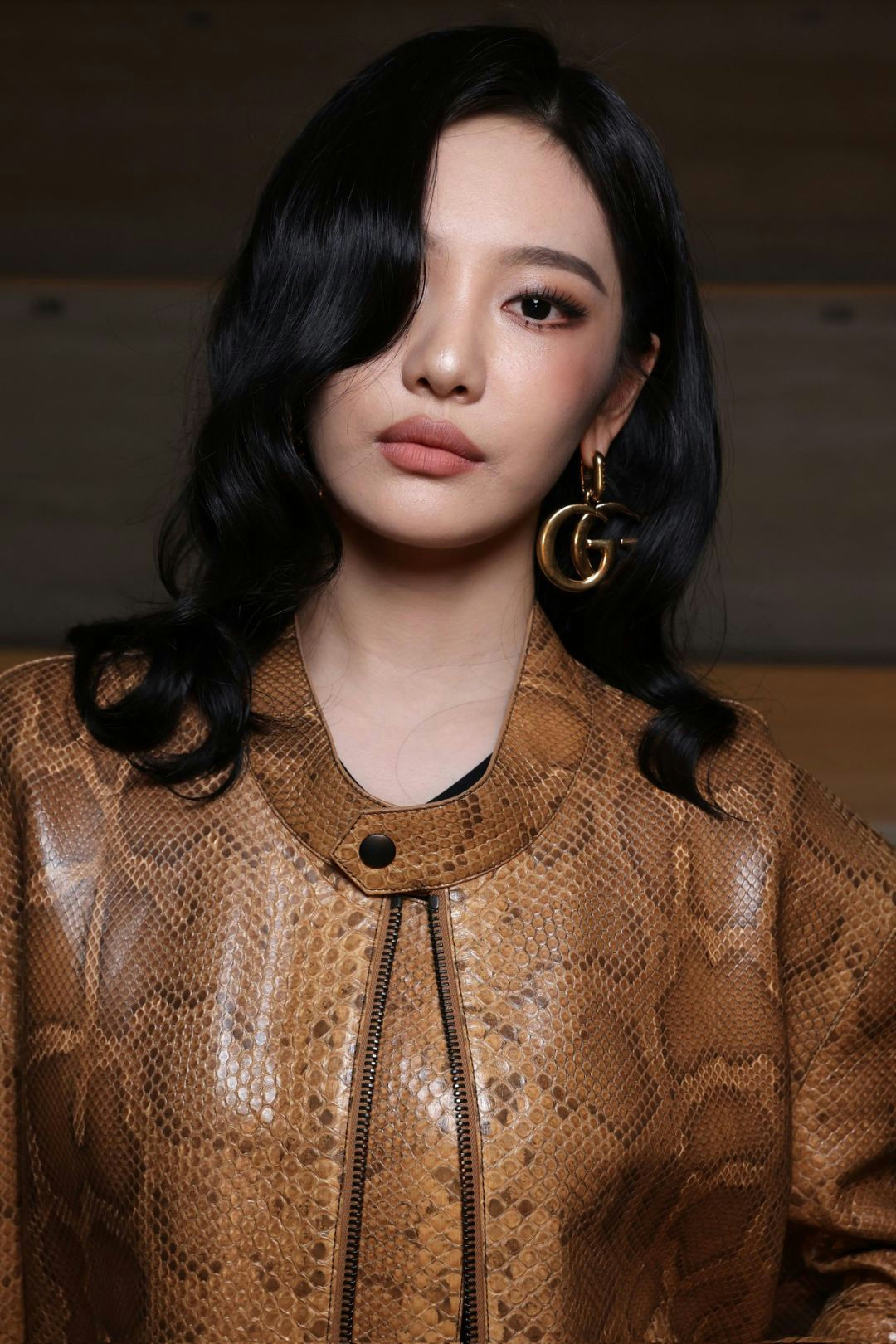
Ningning has recently found herself at the center of another wave of criticism following a livestream broadcast on Weibo. The controversy began when some viewers noticed that the livestream’s monetary gift function remained enabled throughout the broadcast. The aespa member was also criticized for allegedly promoting a weight-loss product during the stream.
The backlash intensified when online users questioned the product’s origins and certification, arguing that public figures should exercise greater caution when discussing products that may influence young fans.
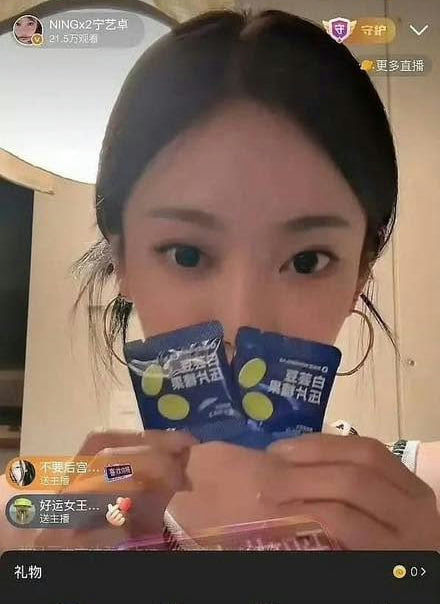
This is far from the first time Ningning has faced public scrutiny. In 2022, the singer became embroiled in a debate after a video surfaced showing her covering her ears while walking past fans at a fashion event. Critics interpreted the gesture as dismissive, while supporters argued she was simply adjusting her earpiece and that the clip lacked context.
Another controversy emerged after Ningning shared a photo of a decorative lamp shaped like a mushroom cloud. What she described as a cute home item sparked criticism among some Japanese netizens due to its perceived resemblance to imagery associated with atomic bomb explosions. The issue resurfaced in late 2025 when aespa was announced as part of NHK’s prestigious year-end music program, leading to online petitions opposing the group’s appearance.
Despite these incidents, many fans argue that several of Ningning’s controversies have been exaggerated beyond their original context.
IVE’s Jang Wonyoung

As one of the most popular female idols in K-pop today, Jang Wonyoung has long faced intense public scrutiny. Since her debut with IZ*ONE and subsequent success with IVE, nearly every public appearance has attracted attention from both supporters and critics.
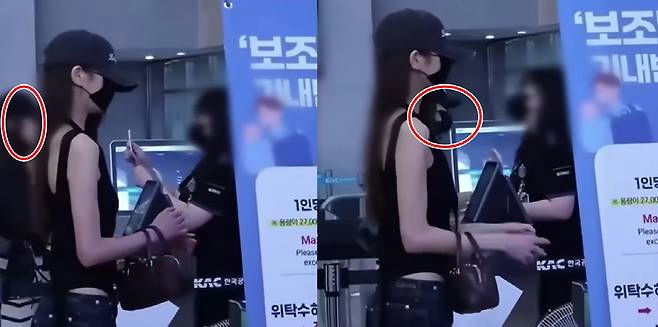
Most recently, Wonyoung became the subject of controversy following her departure through Gimpo Airport. A viral clip showed the idol lowering her mask briefly during an identity verification process, leading some viewers to accuse her of being uncooperative or disrespectful toward airport staff. The controversy grew large enough to prompt a public complaint to airport authorities. However, officials later clarified that the identity verification process had been conducted properly and according to regulations.
Wonyoung was also criticized after footage from a fan event showed her removing a headband and tossing it aside after a photo session. Some interpreted the action as dismissive toward a fan’s gift, while others argued that the clip lacked full context.
Earlier this year, the singer faced criticism from a fan who claimed she appeared distracted during a video call event. The complaint generated significant debate online, with supporters pointing out that idols often multitask during lengthy fan-sign schedules.
One of the most persistent criticisms surrounding Wonyoung involves accusations that she is overly conscious of maintaining the center position during group activities. Various clips showing her standing in central positions or holding trophies during encore stages have repeatedly gone viral, fueling discussions about whether she intentionally seeks the spotlight. However, many fans argue that Wonyoung is often judged more harshly than other idols and that ordinary actions are frequently turned into controversies because of her immense popularity.
i-dle’s Shuhua
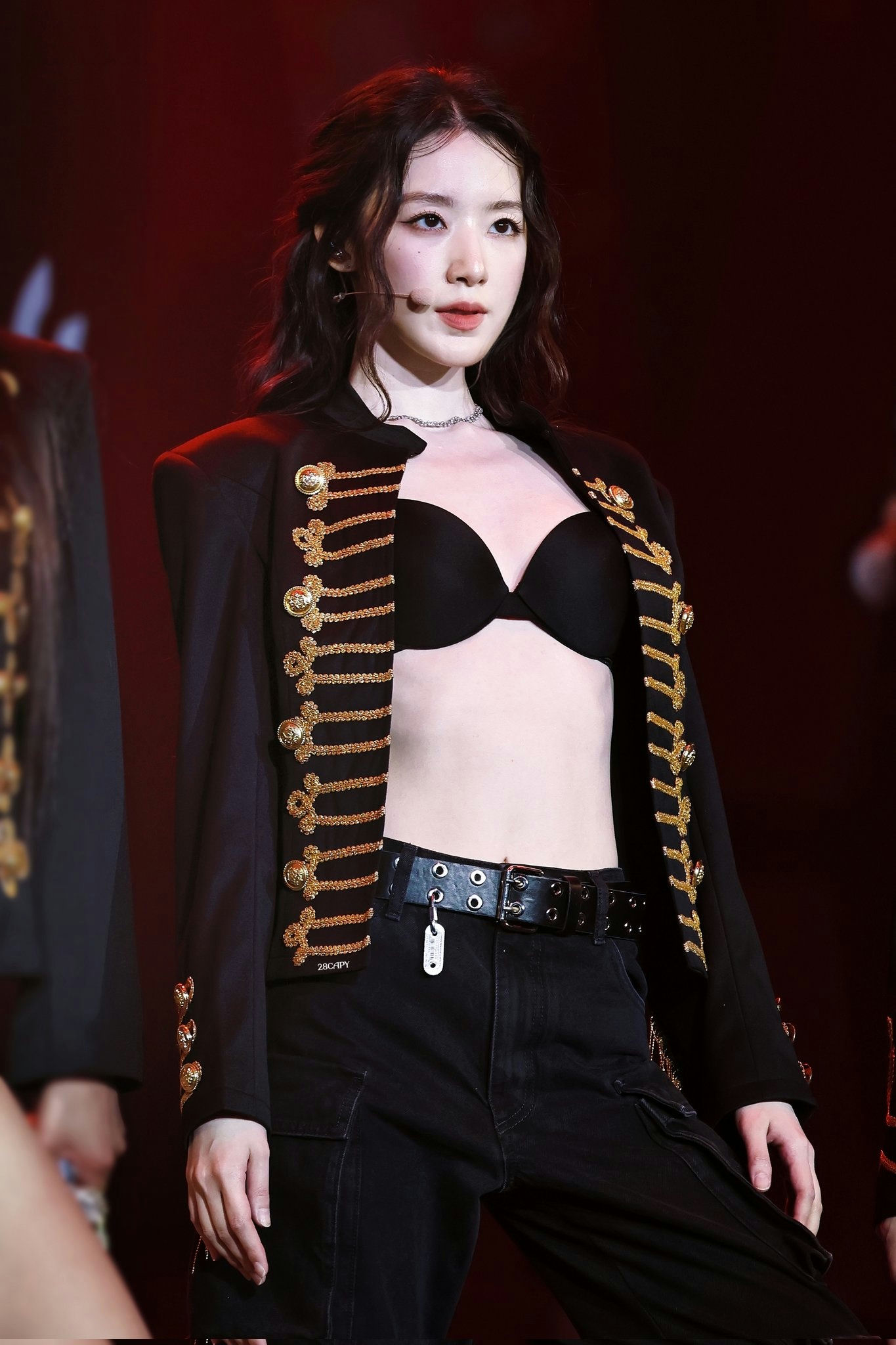
Among fourth-generation female idols, Shuhua is widely known for her direct and outspoken personality. While many fans appreciate her honesty and willingness to speak her mind, critics often view the same traits as lacking tact or professionalism.
One of Shuhua’s most discussed controversies occurred during a variety show appearance in 2023. Some viewers felt her responses to the host lacked proper honorifics and appeared less respectful compared to the behavior of her fellow group members. While supporters pointed to language and cultural differences, critics argued that public broadcasts require a higher level of professionalism.
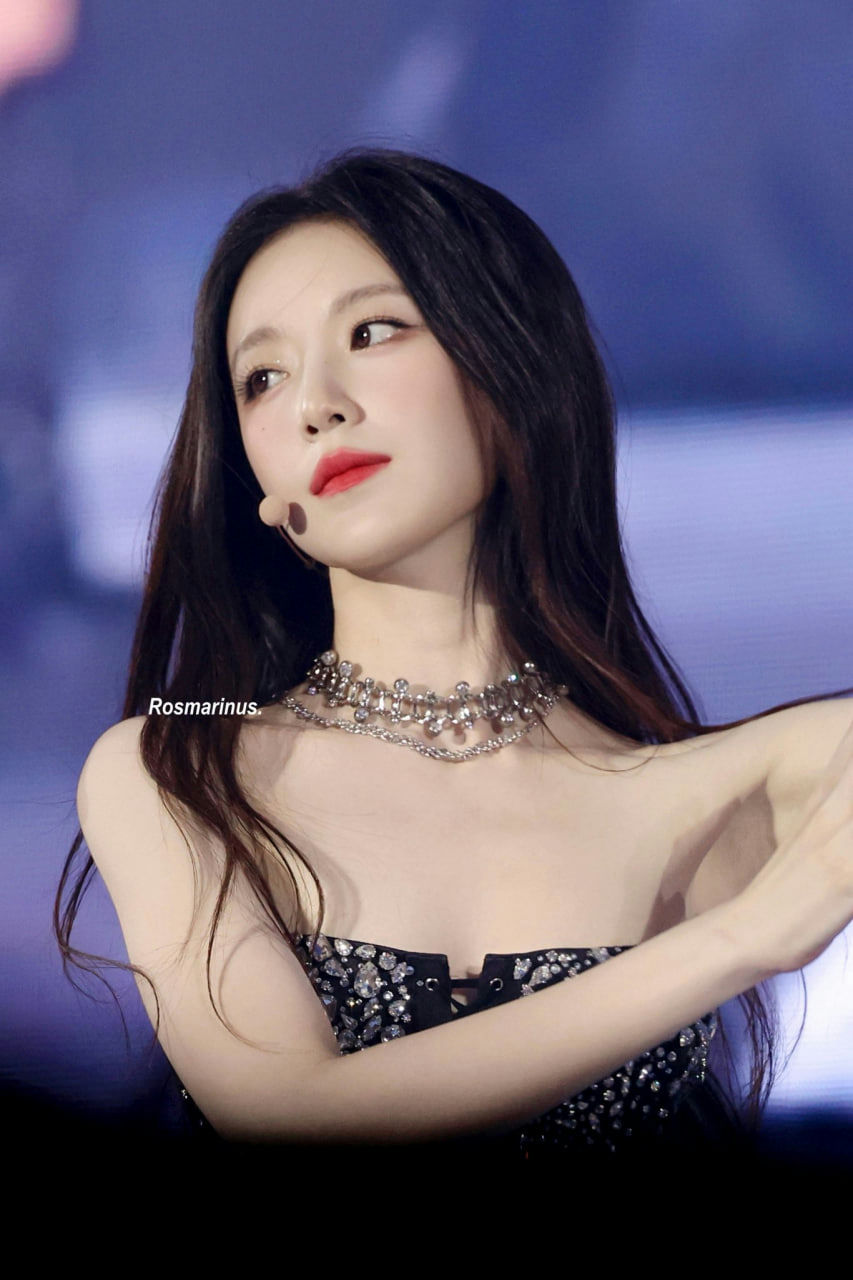
Shuhua has also become known for directly responding to criticism during livestreams and on social media. Whether addressing comments about her appearance, technical issues during broadcasts, or unsolicited advice from viewers, her responses are often blunt and unapologetic. Fans typically describe these interactions as humorous and authentic. However, detractors argue that her communication style can occasionally come across as overly harsh.
Another debate emerged during i-dle’s promotion of “Klaxon” in 2024, when Shuhua jokingly apologized to other idols by saying that everyone would only be listening to i-dle’s music that summer. While many fans interpreted the remark as playful confidence, others viewed it as unnecessarily arrogant.
Although Ningning, Jang Wonyoung, and Shuhua have all been involved in public controversies, many fans argue that labeling them as idols with “low EQ” oversimplifies complex situations. Most of the incidents cited involve subjective interpretations of brief clips, comments, or isolated moments rather than serious scandals.


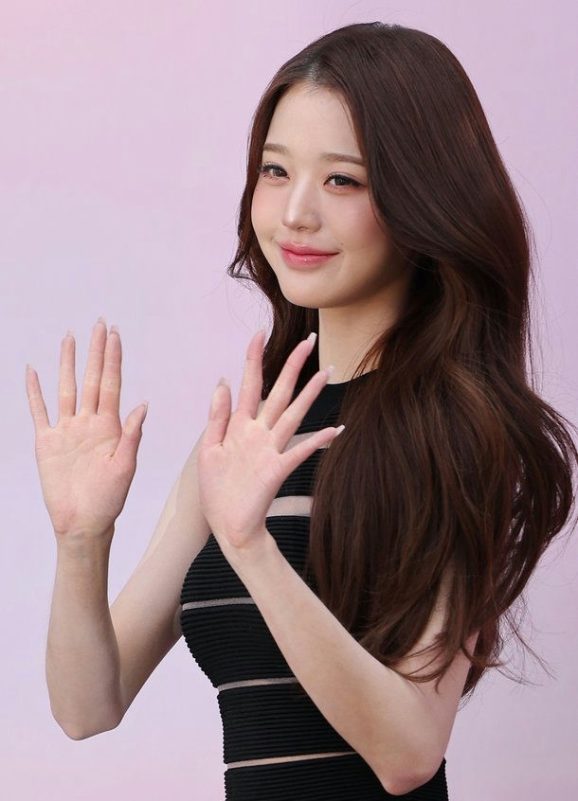
As discussions continue across social media platforms, the debate highlights a broader issue within K-pop fandom culture: the tendency to turn recurring controversies into permanent labels that may not accurately reflect an artist’s personality or intentions.
Ultimately, while criticism of public figures is inevitable, many observers caution that reducing idols to a single narrative can encourage unfair scrutiny rather than balanced discussion.
Sources: K14
You must be logged in to post a comment.