

Chinese actress Zhao Lusi has officially spoken out after becoming the victim of AI-generated deepfake content, drawing widespread attention to the growing issue of image misuse in the digital age.
According to her agency, multiple unauthorized videos have surfaced across social media platforms, using Zhao Lusi’s likeness without consent. These clips were reportedly manipulated, edited, and distorted through AI technology, creating misleading content that risks damaging her reputation.
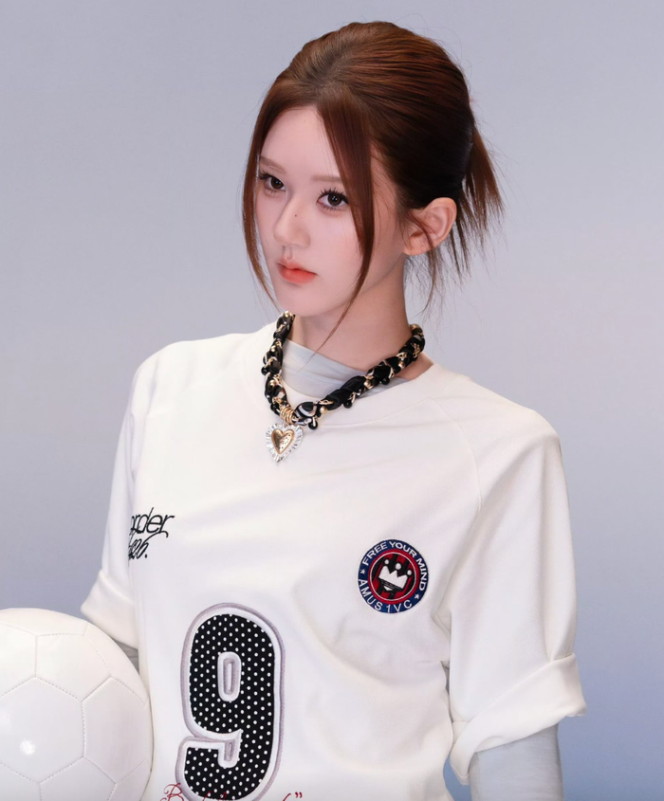
In response, her management issued a firm statement demanding that all individuals and organizations involved immediately remove the infringing material and cease further distribution. The agency emphasized that it will pursue legal action against any continued violations, signaling a zero-tolerance stance toward digital exploitation.
This decisive move has been widely supported by the public, especially as deepfake technology becomes increasingly sophisticated and difficult to control. Zhao Lusi’s case highlights the darker side of AI innovation—where convenience and creativity can easily be weaponized to violate personal rights and privacy.
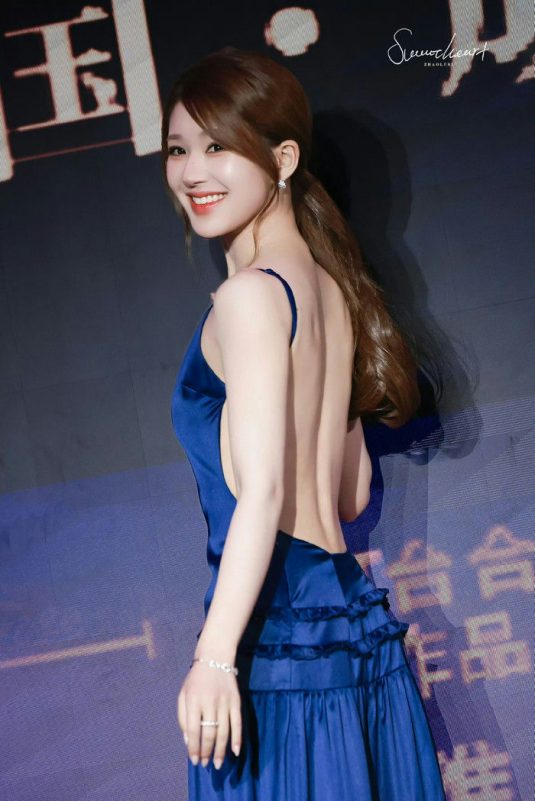
Industry observers note that Zhao Lusi is not alone. Many celebrities are now facing similar threats as AI tools enable the rapid creation of fake videos and images. Without proper regulation and awareness, such content can spread quickly, misleading audiences and causing long-term harm.
The incident also underscores the importance of audience responsibility. Viewers are encouraged to verify information before sharing, avoiding the amplification of unverified or manipulated content.
As Zhao Lusi continues to focus on her career, her proactive response sets an example for protecting personal rights in an era where technology evolves faster than legal frameworks.
You must be logged in to post a comment.