
When No One Knows You’ve Disappeared
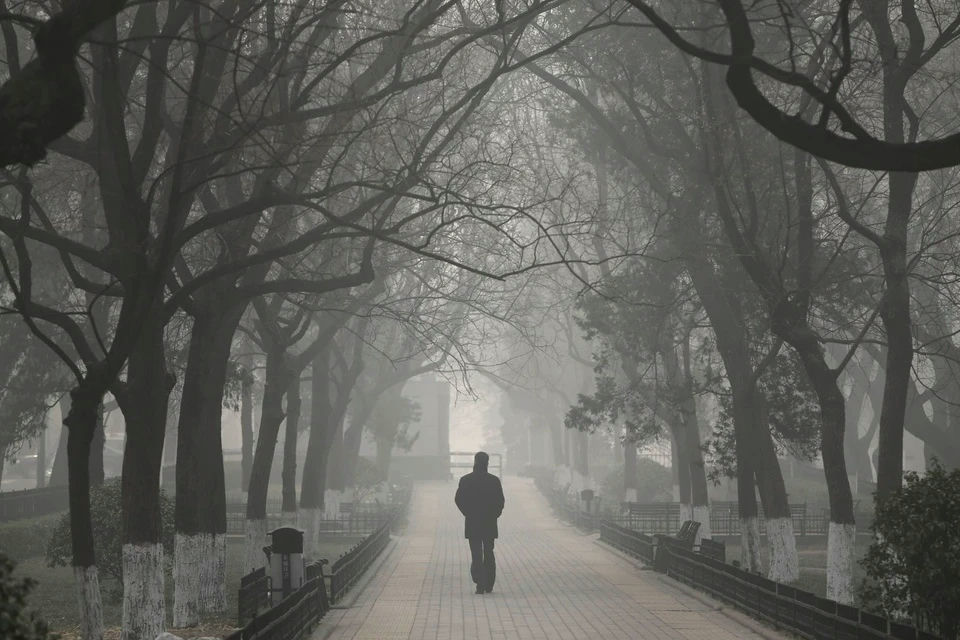
In China’s mega-cities home to tens of millions living side by side many still feel profoundly alone. Today, an estimated 125 million people in China live by themselves. They have jobs, apartments, and routines of their own. Yet beneath that independence lies a quiet fear: if something were to happen, would anyone even know?
According to Sixth Tone, many are turning to so-called “life alert” apps and anonymous online communities to avoid becoming invisible in modern society.
Wang Zheng, 54, works in media in Beijing, a city of more than 22 million residents. Despite decades in the capital, she struggles to build deep personal connections in a place that moves so quickly people are easily forgotten. “What I fear most is being forgotten by society, losing my voice, becoming invisible like a blade of grass by the roadside,” she said.
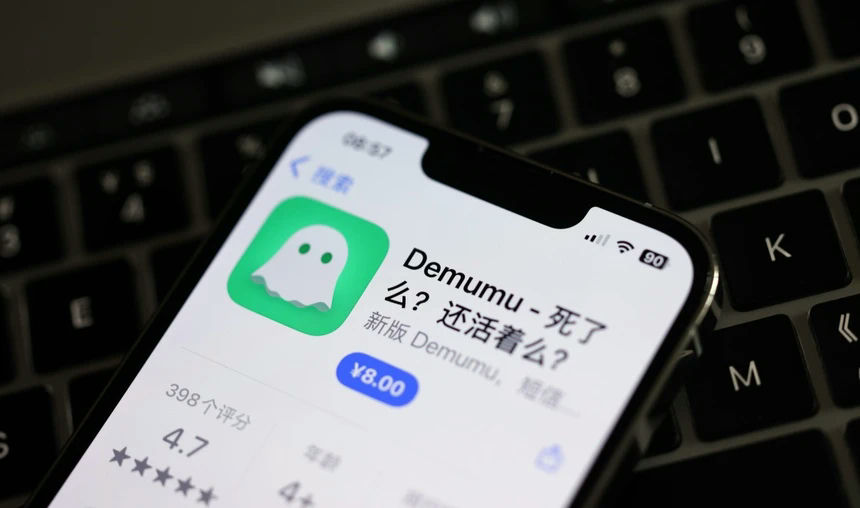
Earlier this year, an app called “Sileme” which roughly translates to “Are You Dead?” unexpectedly topped Apple’s paid app charts in China. Internationally, it is known as Demumu. Its function is simple: if users fail to check in for two consecutive days, the system automatically emails their emergency contact.
Guo Mengchu, the app’s co-founder, said he noticed growing discussions about the anxieties of living alone. With just 1,500 yuan (about $217) and two friends, he developed the app within a month. Nearly 90% of its users are single women aged 25 to 35 living in major cities.
A similar app, Shanyan, launched in 2020, went even further. If a user failed to respond after multiple reminders and their death was confirmed, the system would send pre-written farewell messages to loved ones. Although its user base was small, it reportedly delivered final messages for two individuals.
Still, these technologies have limitations. When Wang learned about Demumu, she hesitated unsure whom to list as her emergency contact. “If it takes two days to notify someone, that’s already too late,” she said.
For older generations, technology presents an even greater barrier. Pang Xiaocui, from Hebei Province, shared that her grandmother has lived alone for over 20 years but does not use a smartphone. “Elderly people like my grandmother can’t check in every day. She also doesn’t like reporting her location she feels like she’s being monitored,” Pang explained.
Wang once suffered an injury at home, with her phone out of reach. She had to drag herself to the door to call security through the building intercom. “One moment you’re fine, and the next you can’t move,” she recalled.
Even routine medical procedures can become obstacles. Many hospitals require someone to accompany patients and sign consent forms for anesthesia. Wang has had to ask relatives for help or even hire a “medical companion” through Taobao just to complete paperwork.
For seniors, the challenges multiply. Wang’s 89-year-old father lives alone in Dalian. He has begun avoiding changing clothes or bathing because it is too exhausting without assistance. “For elderly people living alone, everything becomes a challenge,” she said.
Pang also worries about her grandmother, who has Alzheimer’s disease but insists on living independently and refuses medication. The family has quietly asked neighborhood management to keep an eye on her and activated location tracking on her phone. “Living alone only becomes harder as time passes,” Pang noted.
Living Life on One’s Own Terms
Yet life alone is not defined solely by anxiety. After years of independence, Wang has grown to cherish her autonomy. “Going home feels like returning to my own kingdom,” she said.
She listens to podcasts before bed, keeps a cat for companionship, and maintains active social media accounts as a kind of “lifeline,” ensuring she remains connected to people who could help in an emergency.
Quan Yifan, who once lived alone in France, turned to art to confront her fears. She created comics about a solitary character cleaning her home. “After facing those fears, I truly began to enjoy living alone,” she said.
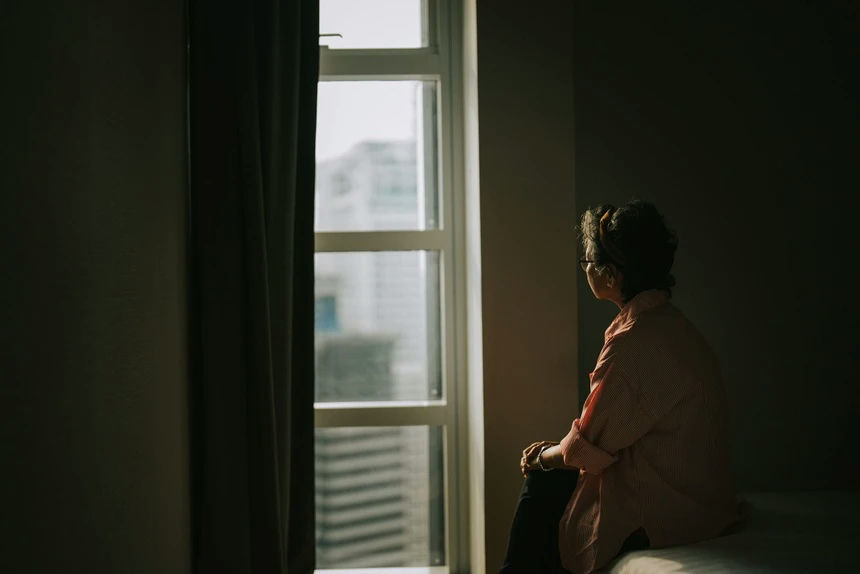
In Shanghai, some residential communities have installed motion detectors in the living rooms of elderly residents. If no activity is detected for a set period, alerts are sent to family members and property managers. “We contact high-risk residents every two to three days,” said Li Chunhui, a representative from a residential community in Songjiang District.
Online, many seek emotional solidarity. Zhang Mo created a page called “Just Me” when she was living alone and struggling to sleep due to loneliness. By the next morning, it had attracted 20,000 followers.
One post by a young woman asking how to “get through winter with dignity” received nearly 1,000 comments. Many offered practical help, but Zhang believed the writer was simply seeking emotional connection.
Wang once attempted to create a support group for middle-aged singles living alone, but few participants were willing to open up. “Most middle-aged and elderly people who live alone don’t want to share. They feel a sense of shame,” she said.
Still, Wang believes technology can help build more meaningful networks if communities organize around specific needs. Her nearly 90-year-old father continues to live independently and peacefully something that gives her reassurance about her own future.
“No matter how old we are, no matter how much our health declines, the desire to live alone deserves respect,” Wang said. “Living alone is not something pitiful. It is a choice to live life in one’s own way.”
Sources: Znews
You must be logged in to post a comment.