

The box office hit “Once We Were Us” has become embroiled in a copyright controversy after allegations surfaced that a key architectural design featured in the film was used without the original creator’s permission. At the center of the dispute is a “house model” and the real-life building that appears in the latter part of the movie. Architect A, who designed the actual house located in Cheoin-gu, Yongin, claims that the film violated his secondary copyright.
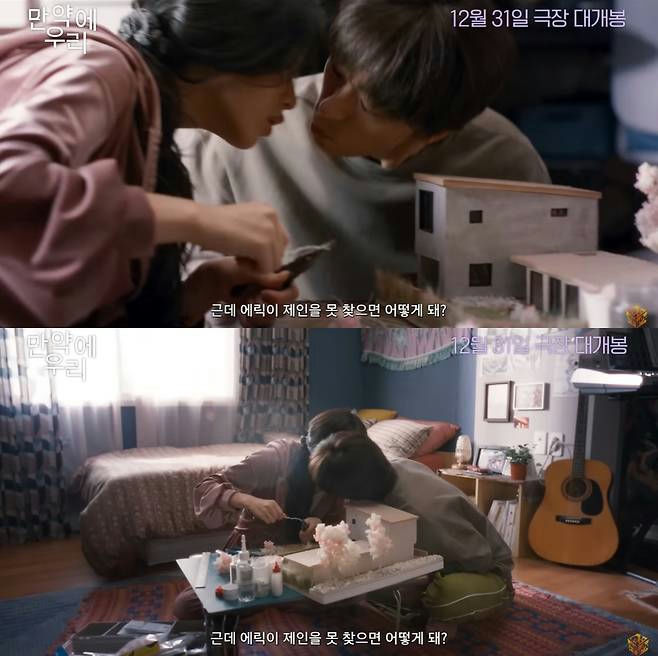
While watching the film, Architect A was reportedly shocked to discover that the house model, depicted as being personally designed by the female lead Jungwon (played by Moon Ga-young), an aspiring architect, closely matched a home he had previously designed in both proportions and overall layout.

The real house featured in the film was completed in May 2020, and Architect A confirmed that he was directly responsible for its design. He stated that while he felt proud that a home he designed was chosen as a filming location, portraying the building as the protagonist’s own creation and development outcome constitutes a clear violation of the “secondary copyright” clause specified in standard architectural design contracts.
No Prior Contact, No Credit
Architect A further claimed that he was not contacted before the film’s release. After watching the end credits, he found that neither his name nor the name of his architectural firm was listed. Instead, the credits included a university architecture professor and more than a dozen individuals under “architectural model and architectural panel,” potentially creating the impression that the building was their original work.
He also revealed that he attempted to notify the production company by sending two certified letters to addresses listed online and in corporate registry documents. However, both were reportedly returned due to absence and other reasons. Feeling that his creative rights needed to be publicly addressed, he decided to bring the matter to the media.
Production Company Responds
In the film, Jungwon, who grew up in an orphanage, dreams of becoming an architect and creating a home of her own. The house model serves as a symbolic object representing her love and aspirations. Ironically, the physical embodiment of that dream is now at the center of a real-world intellectual property dispute.
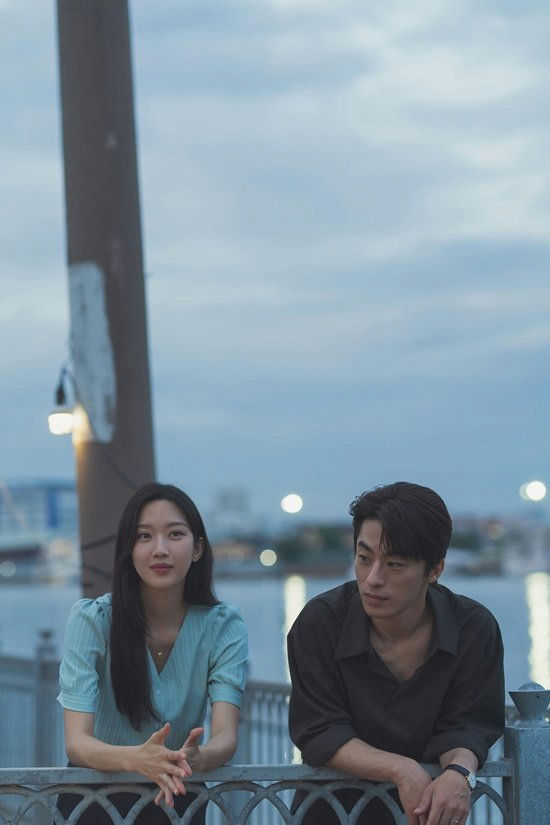
The production company responded that permission was obtained from the property owner at the time of filming but acknowledged that it did not fully consider potential copyright issues related to the architectural design itself. The company expressed regret over the lack of sufficient prior consultation.
Regarding the alleged secondary copyright infringement, the company stated that although the model in the film may remind viewers of the actual house, it is not identical within the narrative context and was intended as an art prop for dramatic purposes. It added that it is currently reviewing the legal aspects to determine whether the situation constitutes clear illegal reproduction and that efforts will be made to reach an amicable resolution.
Sources: Daum | 스포츠경향
You must be logged in to post a comment.