
For decades, romance dramas were considered a gold mine of Asian television. A single hit love story, paired with an eye-catching on-screen couple, could elevate actors to A-list status and secure their popularity for years. However, the very genre that once built careers is now becoming a career trap for actors in their late 30s, 40s, and beyond.
As audience preferences evolve, romance dramas are no longer forgiving toward age gaps, outdated formulas, or forced chemistry. Many established stars continue to cling to the genre as a perceived “safe zone,” only to face declining ratings, negative viewer reactions, and growing image fatigue. The rules of romance storytelling have changed and past glory is no longer enough.
When Past Glory Can’t Save Present-Day Romance
Song Hye Kyo exemplifies how even a romance icon can be undermined by the genre that once defined her. Now, We Are Breaking Up was highly anticipated due to her star power, yet quickly faltered after its premiere. Viewers criticized the bland storyline, sluggish pacing, and her emotionally restrained performance.
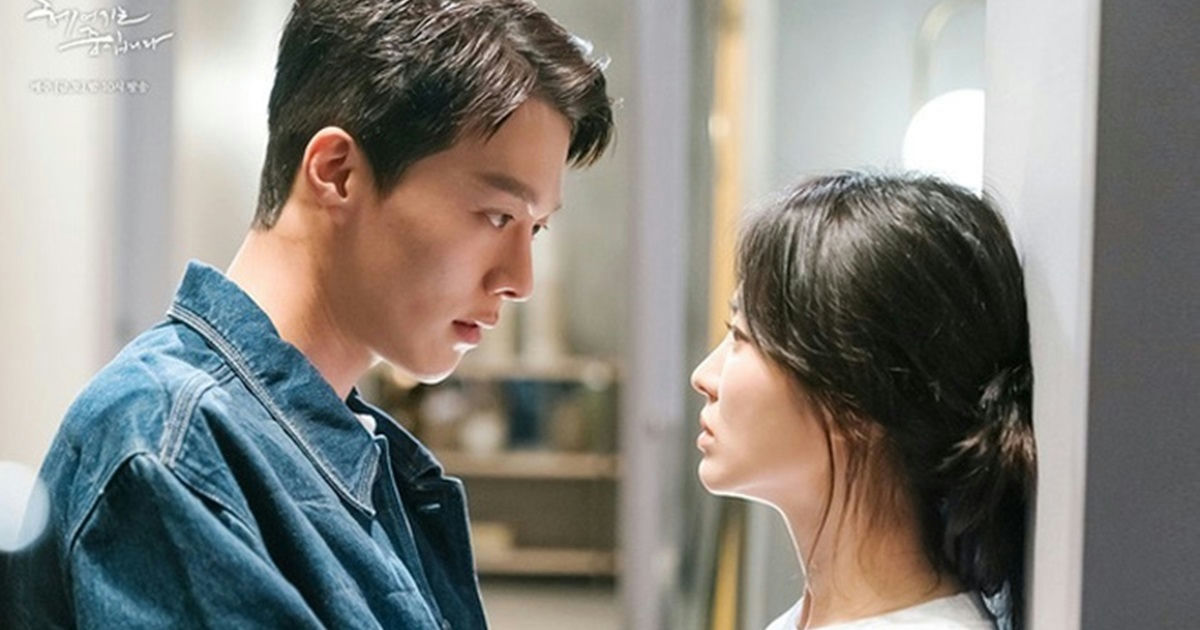
The noticeable age gap between Song Hye Kyo and her younger co-star further weakened the on-screen chemistry, making the romance feel forced rather than heartfelt. The drama’s failure wasn’t just reflected in ratings it also marked the first time her long-standing image as a “romance goddess” was openly questioned.
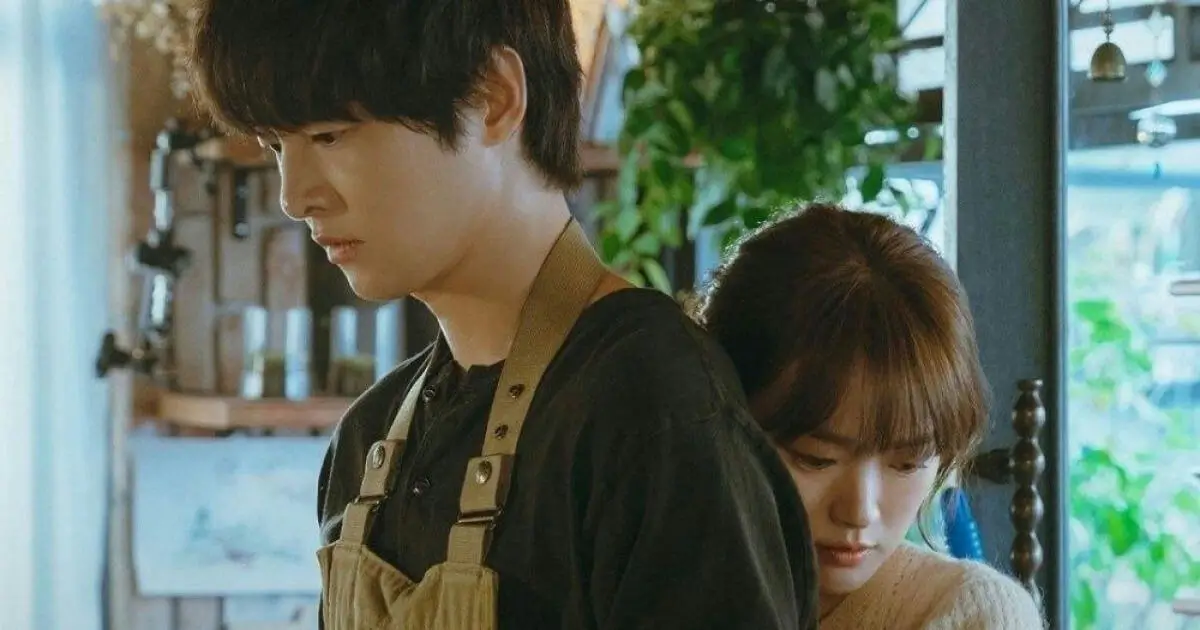
A similar fate befell Song Joong Ki with My Youth, which aired in late 2025. After personal and professional transitions, he returned to romance dramas in hopes of softening his image. Instead, the series failed to resonate.
Audiences struggled to believe in a sweeping love story centered on characters and actors well past the stage where “love is everything.” The drama passed quietly, leaving the impression that Song Joong Ki had fallen out of sync with the genre that once propelled him to stardom.
Star Power No Longer Guarantees Ratings
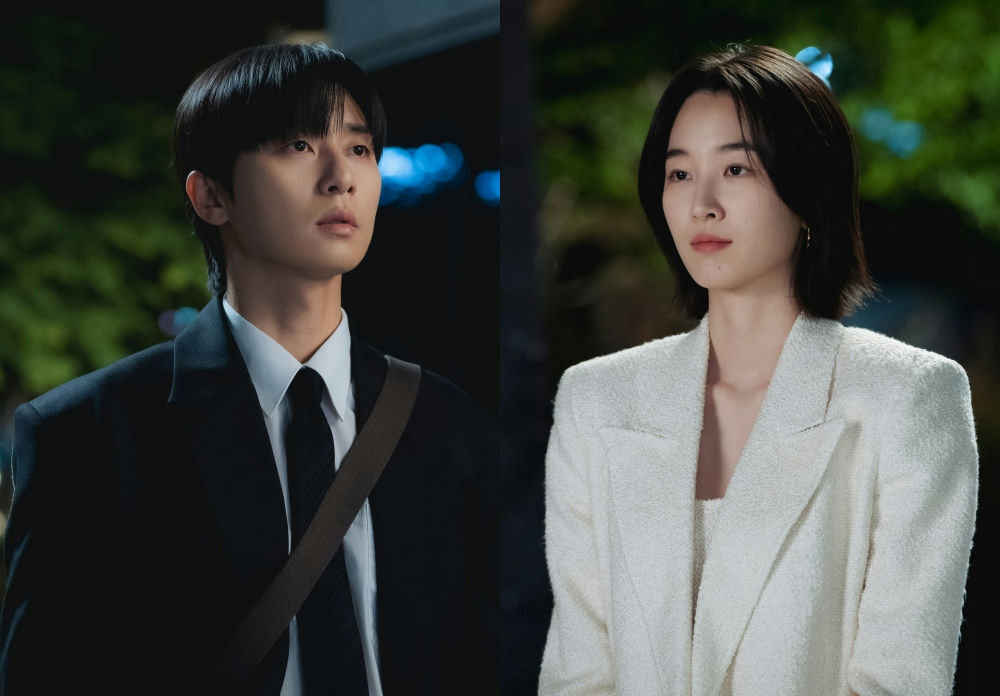
Even Park Seo Joon, long regarded as a ratings magnet, faced setbacks with Surely Tomorrow. Despite his popularity, the drama hovered around 2–3% viewership, signaling clear audience indifference.

The issue wasn’t his appearance or reputation, but the reliance on a dated romance formula one that no longer captivates viewers, especially when the characters themselves are no longer at an age where unconditional infatuation feels convincing.
Lee Dong Wook presents a contrasting case. Though often praised for his youthful appearance, his romance drama Touch Your Heart gradually revealed its limitations. While initial interest was high especially due to his reunion with Yoo In Na the storyline lacked emotional peaks, and the romance was criticized as overly safe and predictable.
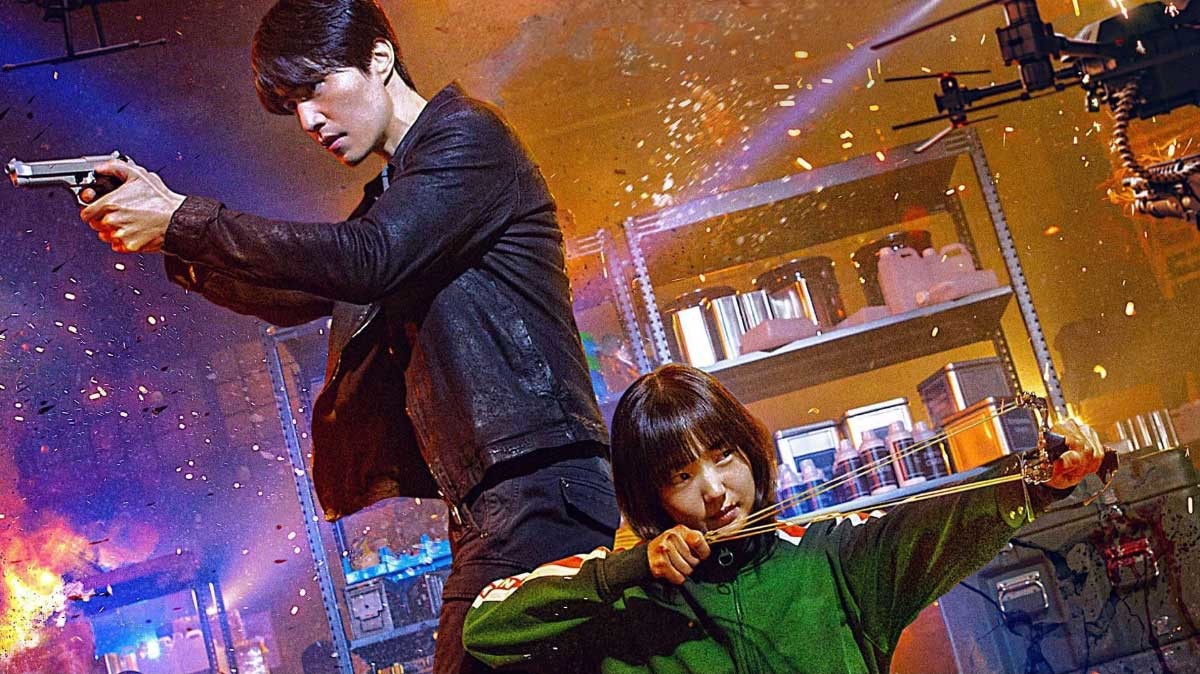
Following this, Lee Dong Wook pivoted decisively toward action, fantasy, and dark comedy projects such as Tale of the Nine-Tailed and A Killer’s Shopping List. Freed from conventional romance tropes, his maturity, sharp charisma, and lived-in presence became clear strengths rather than liabilities.
Song Hye Kyo experienced a similar revival with The Glory. By abandoning romance in favor of a dark revenge narrative, she redefined her screen image. In this context, age added depth rather than detracted from credibility something traditional romance struggles to achieve.
When Holding On Becomes a Career Risk
Not all stars managed a successful transition. Lee Min Ho’s The King: Eternal Monarch was initially positioned as a blockbuster romance spanning time and space. Instead, it was criticized for its convoluted plot, weak emotional core, and repetitive character portrayal.

His follow-up drama When the Stars Gossip in early 2025 fared even worse, widely labeled a “disaster of the year.” The continued focus on romance-centric storytelling only amplified perceptions of stagnation rather than reinvention.
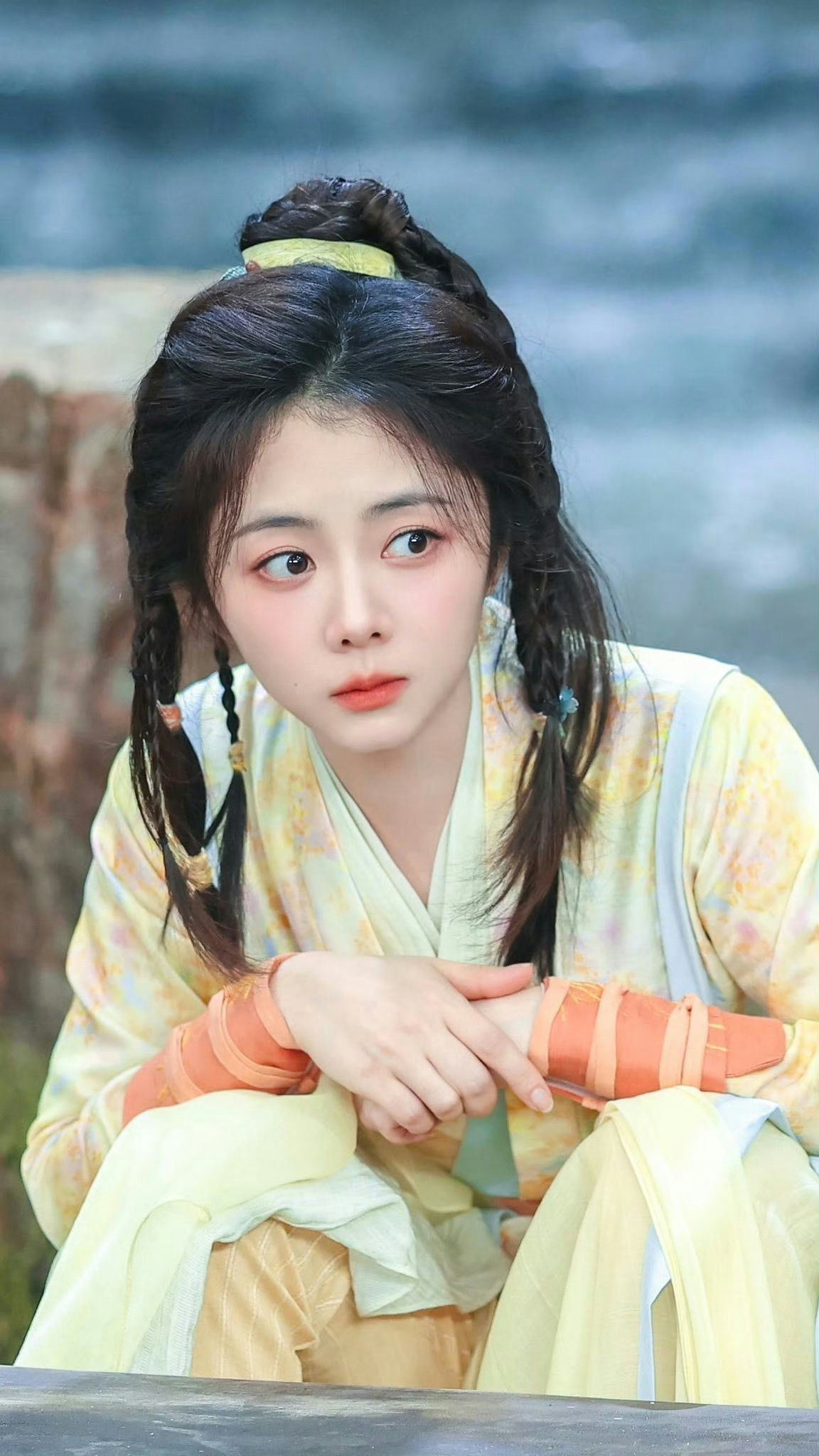
Similar patterns have emerged in China. Tan Songyun faced backlash for Xiaoyao as audiences questioned her continued reliance on youthful romance roles. Jerry Yan was criticized for being visibly mismatched with the sentimental tone of Summer Flowers, while Wallace Chung struggled to convince viewers in idol-style romances well into his late 40s.
Is Romance Now a Young Person’s Game?
Ironically, while A-list veterans falter, younger and lesser-known actors are thriving in romance dramas. Lovely Runner did not boast a groundbreaking script, but the pairing of Byeon Woo Seok and Kim Hye Yoon delivered explosive chemistry that kept viewers engaged throughout.


Their success stemmed from freshness, age-appropriate emotion, and natural interaction elements that made the love story believable.
Similar success followed for Jang Ki Yong and Ahn Eun Ji in Dynamite Kiss, as well as Kang Tae Oh and Kim Se Jeong in Moon River. None were considered guaranteed hit-makers beforehand, yet they won audiences through suitability rather than fame.
A Genre That No Longer Worships Old Glory
The message from audiences is increasingly clear: romance dramas now reward relevance over reputation. Viewers are less willing to overlook awkward casting or stale narratives simply because a famous name is attached.
For actors in their 40s and 50s, clinging to romance as a comfort zone often creates more risk than reward. The wiser path is not to fight time, but to age into roles that embrace maturity, where experience adds texture instead of creating dissonance.
In today’s landscape, romance dramas are no longer a sanctuary for fading stardom they are a proving ground for authenticity, timing, and fit.
Sources: K14
You must be logged in to post a comment.