
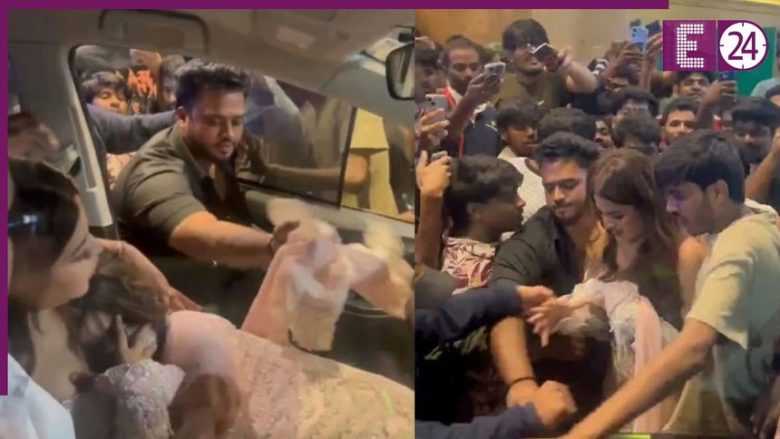
A shocking scene unfolded on December 17 in Hyderabad as Bollywood actress Nidhhi Agerwal became the target of crowd harassment during a public appearance, prompting an outcry over the persistent threat to women’s safety in India.
The viral 40-second clip captured Nidhhi leaving the soundtrack launch of The Raja Saab, smiling and waving to fans. But what began as a standard red-carpet moment quickly descended into chaos. A mob of men swarmed the actress—pushing, grabbing, and cornering her. With her movement nearly halted, she was jostled and physically touched while struggling to reach her vehicle.
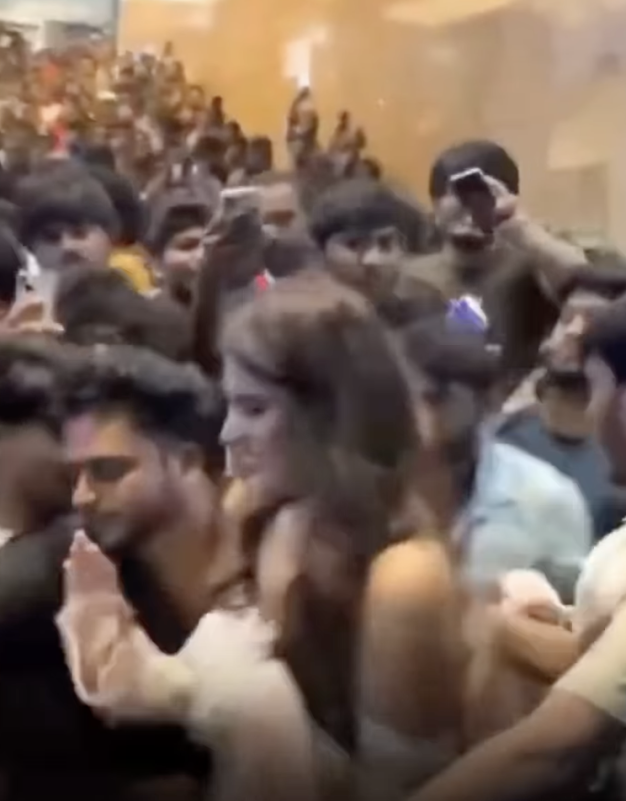
The panic was visible on her face as bodyguards and bystanders intervened to create a path. Just before her car door slammed shut, Nidhhi’s voice, filled with anger, rang out: “What the hell was that?”
Indian media outlets described the crowd as “vultures”, a stark metaphor that underscored the public disgust over the incident. But the video is more than a moment of celebrity distress—it’s a disturbing snapshot of public space violations that many Indian women face daily.
Unsafe Streets, Even for Stars
Nidhhi’s case is far from isolated. The 2025 NARI National Safety Index, which surveyed over 12,000 women across 31 Indian cities, found that 40% of women in urban areas feel unsafe in public spaces and on transport. The most vulnerable group? Young women aged 18–24.
Public figures such as costume designer Manoshi Nath have shared their own harrowing experiences. “Even in upscale areas of Delhi or Mumbai, I’ve been followed and harassed,” she told DW, recalling the constant state of fear many women live in—especially after dark.
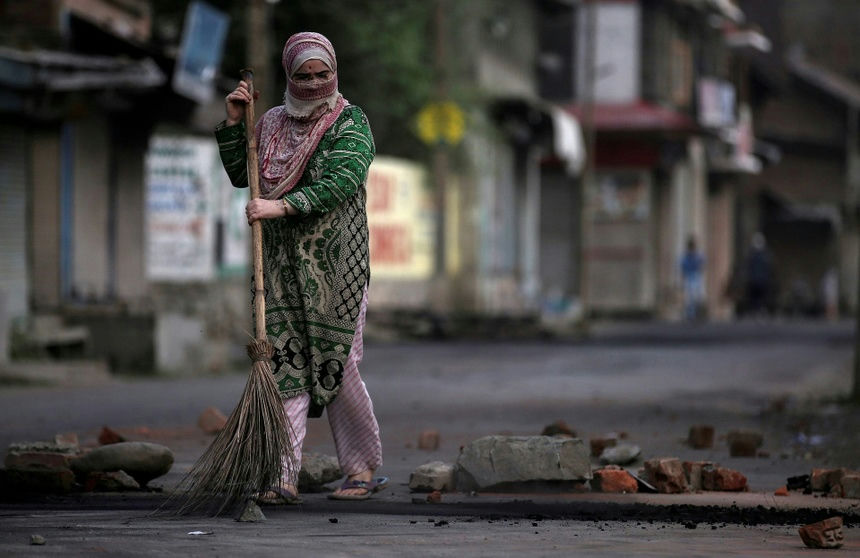
Cities like Delhi, Kolkata, and Jaipur were ranked among the least safe for women, while Mumbai, Bhubaneshwar, and Gangtok emerged as comparatively safer.
Beyond Lights and Cameras
While many advocate for CCTV installations and better lighting, experts argue that technical solutions alone aren’t enough. Urban sociologist Sanjay Srivastava, a professor at SOAS, University of London, believes that “real urban safety requires social understanding paired with infrastructure.”
Srivastava points out that informal spaces—street vendors, bustling markets—often provide natural surveillance, the so-called “eyes on the street.” Ironically, city planners often remove these spaces in an effort to “beautify” cities, inadvertently making them more dangerous.
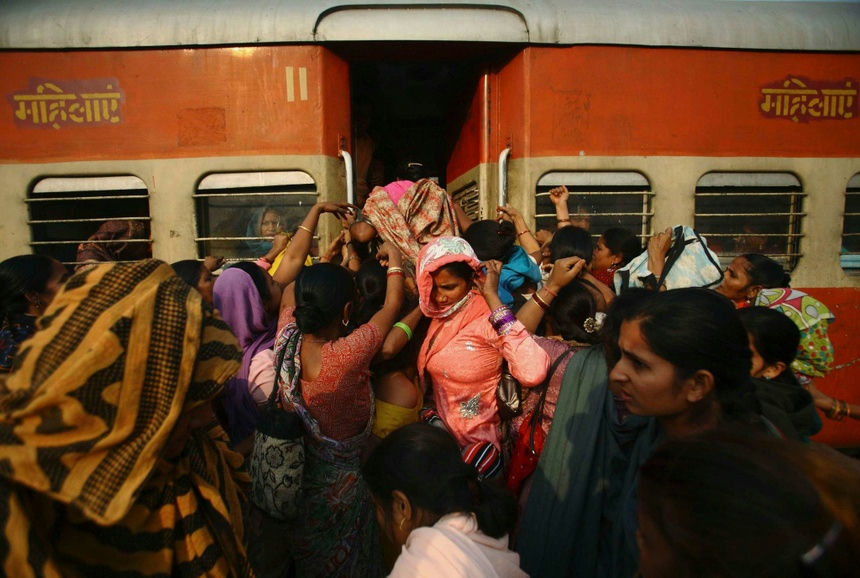
Women also remain underrepresented in public life. As author Manjima Bhattacharya explains, societal norms expect women to be outside only with purpose—errands, school, or work—whereas men enjoy the liberty of loitering. This division reinforces unequal access to public spaces and fuels gender disparity.
A Need for Inclusive Urban Planning
Urban planner Sushmito Kamal Mukherjee stresses that safety requires coordination between policy, design, and governance. Mapping high-risk zones using historical data, he says, could help cities deploy targeted solutions.
But participation matters too. Community-driven safety audits, often led by women’s rights groups, give voice to those directly affected. Yet as Srivastava notes, these efforts often exclude marginalized women, such as domestic workers or street vendors, whose needs differ sharply from middle-class participants.
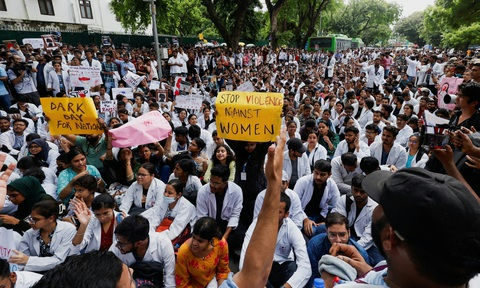
In the end, building safer cities means more than increasing police patrols. It involves redefining public space, challenging patriarchal norms, and embedding respect into everyday behavior—from the street to the classroom.
As Bhattacharya aptly concludes, “True safety isn’t just about feeling protected—it’s about feeling free.”
Sources: Znews
You must be logged in to post a comment.