
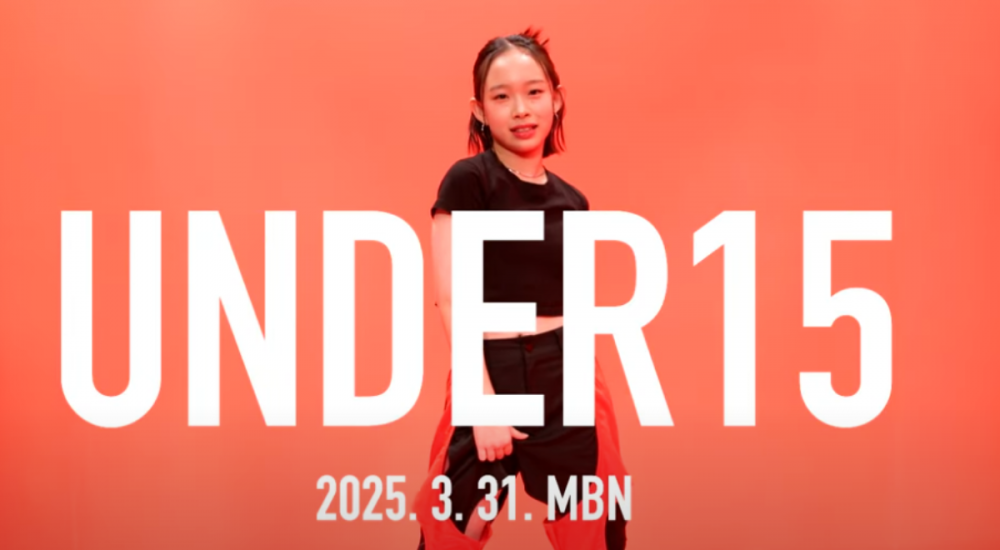
The controversial K-pop survival show Under Fifteen has sparked renewed criticism after its overseas version aired in Thailand without the consent of several participants’ parents.
True Visions, Thailand’s largest cable network, officially premiered Star Is Born, the Thai edition of Under Fifteen, on November 8 through its streaming app. The show was first teased on the network’s official YouTube channel on November 6, featuring young contestants enduring intense rehearsals and emotional backstage scenes. Judges such as Sandara Park and Daesung appeared in the teaser, reacting with surprise to the contestants’ performances.
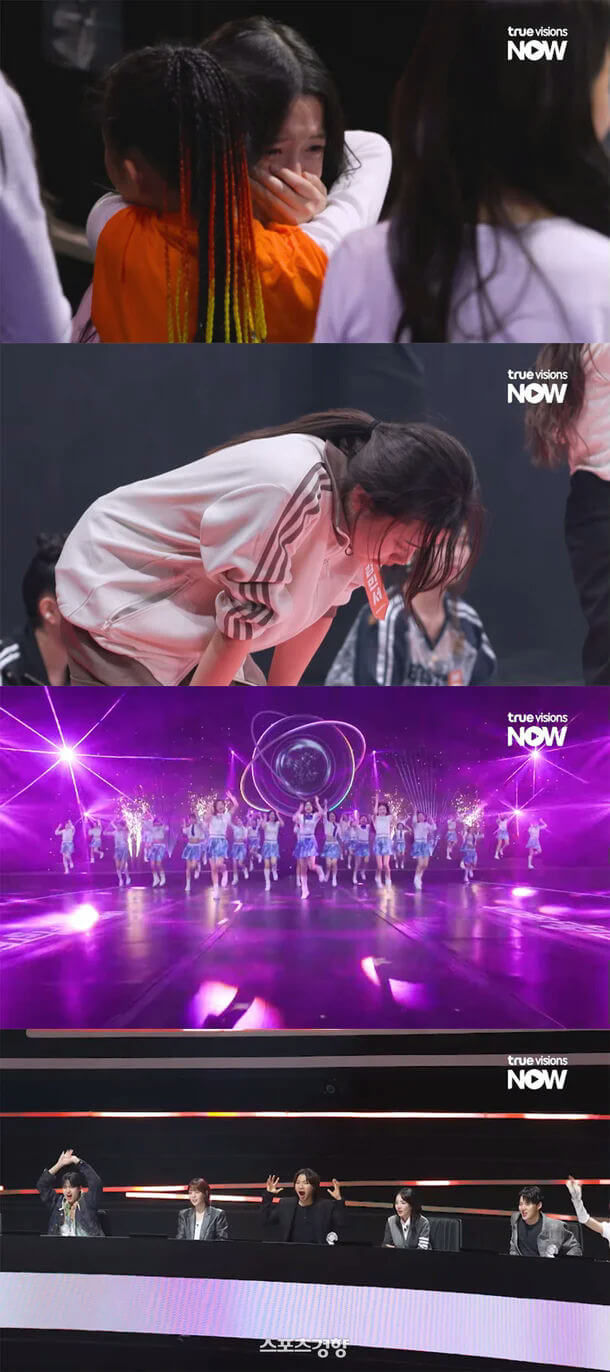
True Visions introduced the show as “a passionate and powerful program featuring 165 young dreamers from 57 countries, including two Thai girls who advanced to the next round.” The channel described the participants as “aspiring idols who must constantly challenge themselves to grow.”
However, the show’s Thai broadcast has drawn strong criticism because it reportedly proceeded without the formal consent of some contestants’ parents.
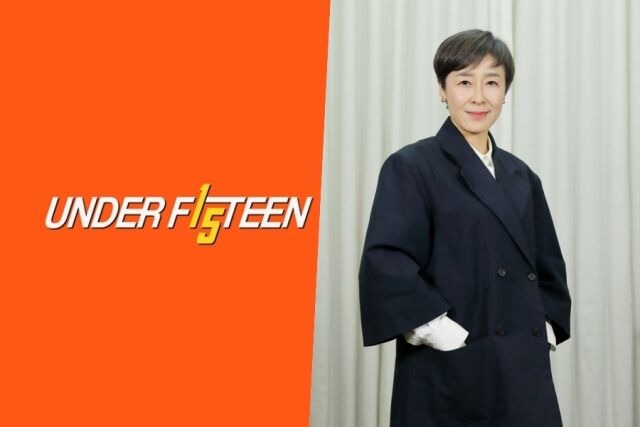
Originally slated to air on MBN in March, Under Fifteen was canceled after facing allegations of child sexualization for allegedly imposing adult K-pop performance standards on contestants under the age of 15. Following the domestic backlash, the program’s creator and Creas Studio CEO, Seo Hye-jin, sought to continue the project overseas.
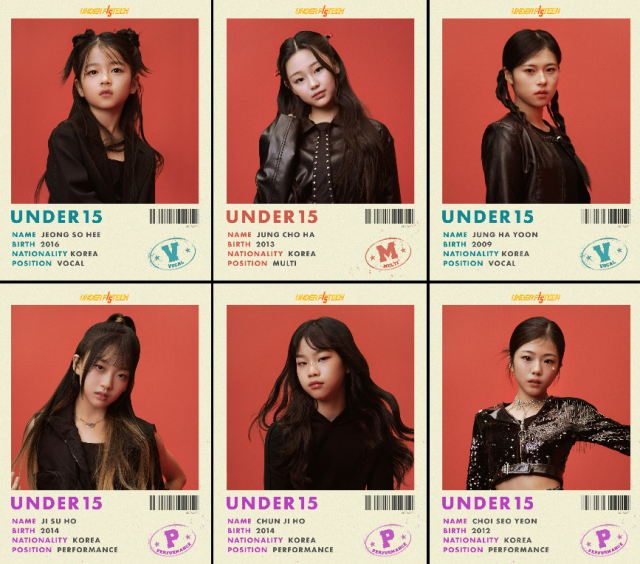
In August, Seo and Creas Studio attempted to rebrand the show as Star Is Born for a Japanese broadcast on KBS Japan, but that plan was scrapped amid criticism of a “loophole strategy” to bypass Korean restrictions.
After both Korean and Japanese broadcasts were blocked, Seo reportedly informed the parents of participants about plans to air the show in Thailand and other Southeast Asian countries. This move met with resistance, leading several parents to file for an injunction to suspend the exclusive contracts with Creas Studio in September.
Attorney No Jong-eon from the law firm Jonjae, representing the parents, stated that “the exclusive contracts had already been mutually terminated, and the Thai broadcast came as a complete surprise.”
Other parents also confirmed that they had not granted any form of consent for the broadcast and expressed disappointment, saying they “would rather the show not air at all.”
The controversy continues to raise ethical concerns over the treatment and global exploitation of minors in the entertainment industry.
Sources: Nate
You must be logged in to post a comment.