
A South Korean lawmaker’s rescue mission in Cambodia has spiraled into a fierce national debate — not over the mission’s success, but over one young man’s tattoos.
Earlier this month, Kim Byung-joo, a senior member of the Democratic Party, announced that he had helped repatriate three South Korean men who were trapped inside a Cambodian criminal compound. The men, in their 20s, had reportedly been lured by fraudulent job offers and forced to work in online scam operations.
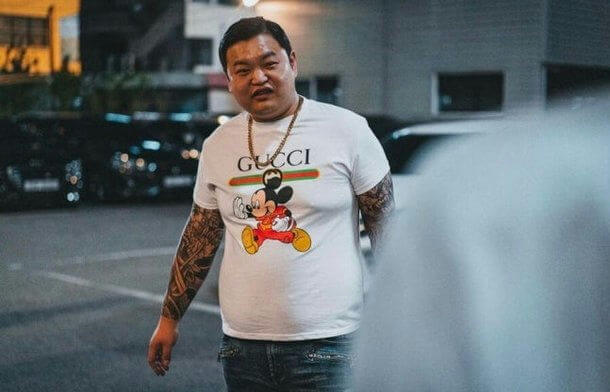
However, controversy erupted after Kim Byung-joo shared photos from the rescue mission — one of which showed a man’s entire body blurred due to extensive tattoos.
Right-wing politicians and online commenters quickly branded the rescued man as a gangster, comparing him to “Chorong,” a tattooed crime boss from the hit film The Roundup 3.

Critics accused Kim Byung-joo of turning the rescue into political theater, with one opposition lawmaker sneering, “We asked you to save innocent Koreans — not tattooed gangsters.”
Another commented, “Why stage a rescue show for criminals?”
In response, Kim Byung-joo tearfully defended his actions, saying it was “inhumane and politically toxic” to judge people by their appearance.
“Since when did tattoos make someone less worthy of being rescued?” he said. “When a prison catches fire, do you refuse to save the inmates? That’s the same logic.”

The incident has reignited Korea’s long-running cultural bias linking tattoos with criminality. Online reactions were deeply divided.
- Tattoos are science — you can tell who’s bad just by looking.
- Real victims should be rescued first.
- Having tattoos doesn’t make you a criminal.
- This is exactly why Korea still struggles with prejudice.
According to a 2023 Korea Research survey, 60% of respondents said they found tattoos “repulsive,” while 66% associated them with being “bad” or “scary.” Despite tattoos becoming mainstream — with an estimated 13 million Koreans having one — social stigma remains strong, especially among older generations.
Industry leaders argue that equating tattoos with crime is outdated.

Im Bo-ran, president of the Korean Tattooists’ Association, told Hankyung that the political use of the man’s appearance was “unfortunate.”
“Tattoos today represent art, memory, and identity — from portraits of loved ones to pet designs,” she said. “Having full-body tattoos doesn’t make you a gangster any more than wearing makeup makes you a bad person.”
She added that the tattoo industry’s legal recognition this year should help shift social perception.
In September 2025, South Korea officially legalized non-medical tattooing under the new Tattoo Artist Act, allowing licensed practitioners to operate legally for the first time. Previously, tattooing by non-doctors was punishable under the Medical Services Act since a 1992 Supreme Court ruling.
The “Cambodia tattoo man” controversy has come to symbolize more than one man’s appearance — it reflects South Korea’s struggle between traditional moralism and modern individualism.
Sources: Hankyung,KBS,Nate News,Yonhap
You must be logged in to post a comment.