
After more than three decades, South Korea has officially legalized tattooing by non-medical professionals. On September 25, the National Assembly approved the long-awaited Tattooist Act, passing with 195 votes in favor and 7 abstentions out of 202 lawmakers present.
The new law recognizes tattoos and permanent makeup as official “tattooing practices” and introduces a licensing system. Only those who pass a national exam and obtain certification will be permitted to work as professional tattooists. While the legislation expands legal access, it also comes with restrictions: tattooists cannot perform tattoo removal, and inking minors without parental consent remains strictly prohibited. Practitioners must also complete training in hygiene and safety, and keep detailed records of every procedure, including dye type, quantity, and placement.
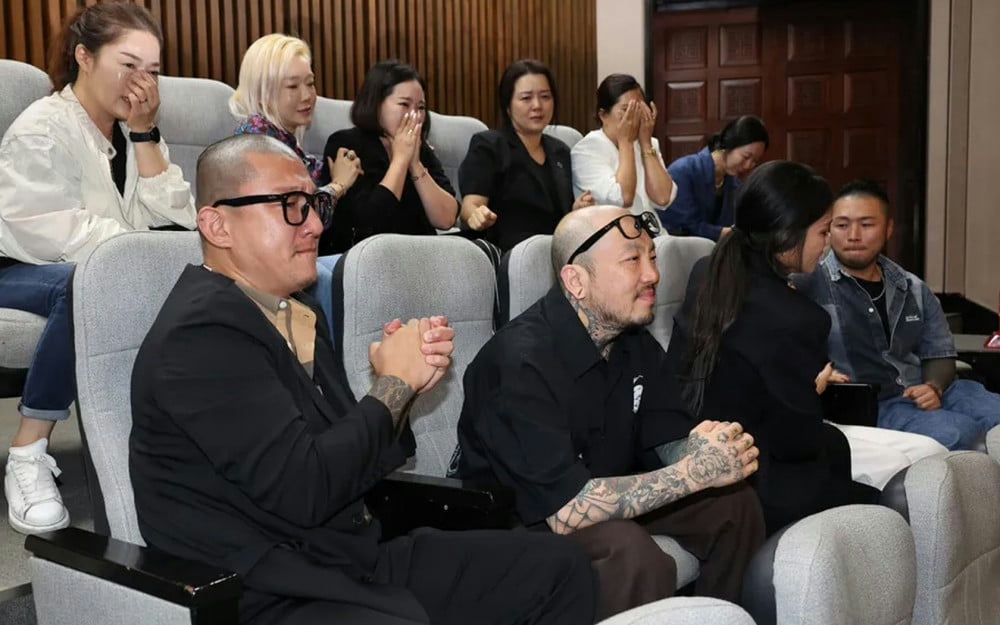
The Tattooist Act will be enforced two years after its promulgation, with a grace period of up to two years for temporary registration and licensing.
Tattooing by non-medical workers had been criminalized since a 1992 Supreme Court ruling classified it as a “medical act,” punishable under the Medical Act. Critics, however, argued the regulation was outdated, as tattoos are primarily cosmetic and the vast majority of artists are not medical doctors. According to the Korea National Institute of Health, by 2021, more than 13 million South Koreans had tattoos, and over 300,000 people were working in the tattoo industry.
For tattooists, the bill’s passage was a historic victory. The Korea Tattooists’ Association declared, “We can now stand with dignity as professionals and contribute to developing ‘K-Tattoo’ into a world-class industry.” Kim Do Yoon, head of the Tattoo Union under the Korean Federation of Chemical, Textile and Food Workers’ Unions, added, “It feels like being born again. Our goal is to be recognized as artists while safeguarding the value of our profession.”
The Ministry of Health and Welfare, led by Minister Jeong Eun Kyung, welcomed the decision, noting, “Tattooing by non-medical personnel has long been a reality. This act is the result of years of social debate and consensus, creating a framework to ensure safety, protect consumer rights, and legitimize practitioners.”
However, the Korean Medical Association (KMA) raised objections, stressing that safety oversight should remain under medical authorities. The KMA stated, “For tattooing to be safe, education and management must be supervised by the medical community. We will continue to advocate for this.”
Sources: allkpop
You must be logged in to post a comment.