

The announcement that MTV will discontinue several of its dedicated music channels by December 31, 2025 marks not only the end of an era for televised music video broadcasting but also raises a pressing question: where does this leave the MTV Video Music Awards (VMAs)?
When MTV launched in 1981, it revolutionised music consumption by making music video debut a cultural event. The channel wasn’t just a network—it was a gateway into global pop‑culture, launching icons such as Madonna, Michael Jackson and later generations of pop stars. The VMAs, which began in 1984, became the major spectacle where artists made bold moves, debut videos and created lasting cultural moments.
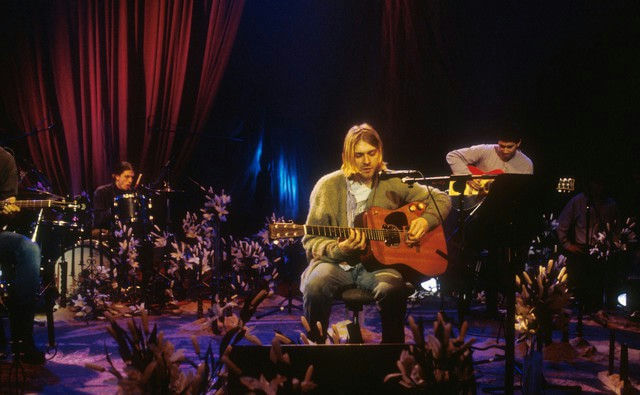


However, in recent years the VMAs have faced diminishing viewership and relevance. Television ratings for the awards have steadily dropped as audiences shift from linear TV to streaming and social media platforms. This erosion of the traditional music‑television model parallels MTV’s decision to sunset its music channels.



The channels slated for closure include MTV Music, MTV 80s, MTV 90s, Club MTV and MTV Live. While the flagship MTV channel may persist, it now focuses primarily on reality programming rather than music video premieres.
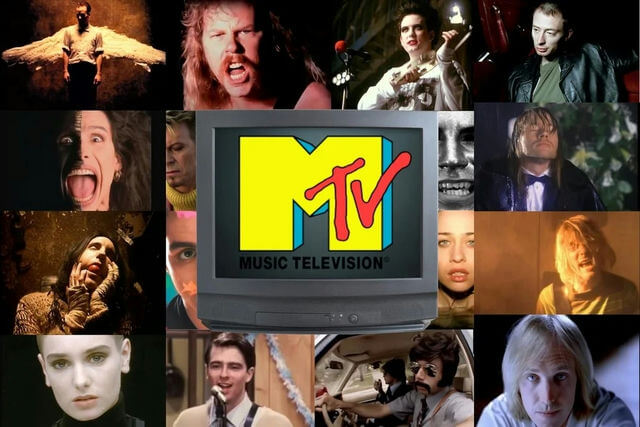
This upheaval brings into sharp focus the future of the VMAs. The awards show was built around a broadcast network that championed music videos as must‑see television. Without the same infrastructure or the cultural dominance of music‑TV, the VMAs must evolve or risk being a relic of a past media era.


Alternatives are already being speculated: the VMAs could pivot fully to digital, become a hybrid streaming event, or transform into a broader multimedia brand extending across social platforms and live-interactive formats. The core idea remains clear: the awards still hold symbolic value the celebration of music videos, artists and pop culture spectacle but the vehicle for delivery must adapt.
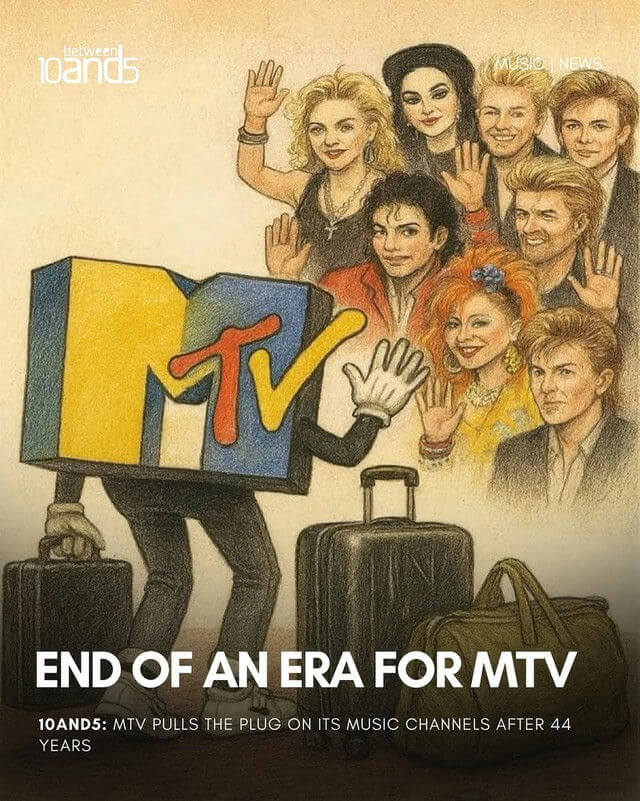
In short, MTV’s announcement doesn’t just signal the end of music‑channels it signals a turning point for how music culture is televised, awarded and experienced. For the VMAs, the question is not if they will continue, but how they will persist and remain relevant in a world where “video music” lives online, on‑demand, and free from the constraints of the TV schedule.
Sources: kenh14
You must be logged in to post a comment.