

Netflix’s latest drama Genie, Make a Wish starring Kim Woo-bin has sparked controversy in Islamic communities, drawing criticism for cultural misrepresentation.
The drama, released recently, follows the story of a genie who grants three wishes to Suzy’s character. Kim Woo-bin’s genie, however, refers to himself as Iblis, a top-level devil in Islamic tradition known for leading humans astray. This association caused immediate backlash from viewers in Islamic countries.
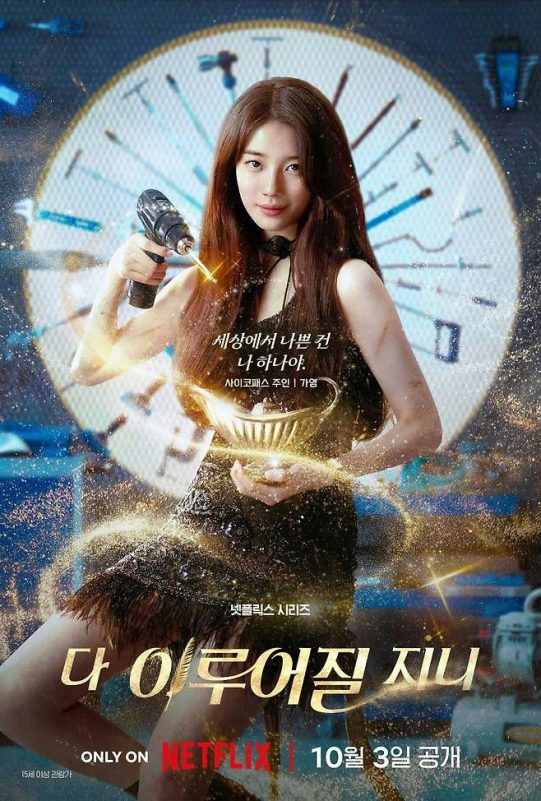

From the trailer stage, concerns were raised about the cultural inaccuracies. Islamic netizens expressed dissatisfaction by leaving critical comments on Netflix’s official channels and YouTube accounts.
Addressing the issue, Kim Woo-bin commented during a press event, saying: “I believe that watching the drama will clear up small misunderstandings. If viewers stay with the story until the end, they will understand.”
Despite these assurances, negative reactions continued after the full release. Many critics pointed out potential misunderstandings between the portrayal of a genie and Iblis. International film and TV review sites have seen a surge of negative reviews, citing that the drama:
- Misrepresents Islamic culture inappropriately
- Portrays Iblis in a sympathetic or romanticized light, causing potential misconceptions
- Glamorizes Satan, which contradicts Islamic beliefs
- Demonstrates ignorance of the religion and its cultural context

As K-content gains global recognition, issues of cultural appropriation have repeatedly surfaced. Genie, Make a Wish is another example where elements of a foreign culture were borrowed and misrepresented, leading to criticism. Cultural appropriation refers to using or altering elements of another culture such as traditions, symbols, or art without proper understanding or respect.
A recent example includes MBC’s low-rated drama To the Moon, whose teaser featured actors wearing Islamic attire in comedic dance sequences. The portrayal mixed cultures from India, the Arab world, and Egypt in ways that were widely criticized for disrespect. After the backlash, the teaser was removed and an official apology issued.
With the international spotlight on K-content, domestic creators must be mindful of cultural sensitivity and avoid misrepresenting other cultures to maintain respect and credibility on the global stage.
Sources: MyDaily
You must be logged in to post a comment.