
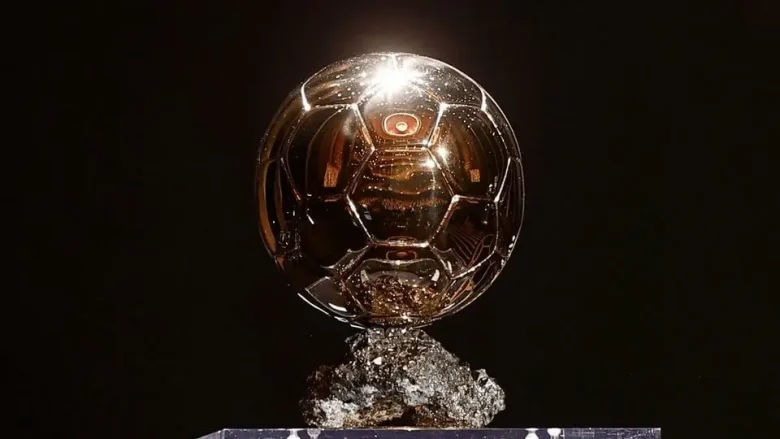
German football has trophies, success, and even the golden generation of 2014, yet it still lacks a superstar capable of breaking through to win the Ballon d’Or.

It has been nearly three decades since Matthias Sammer lifted the award in 1996. Since then, despite being one of the most successful and resilient footballing nations in the world, Germany has been absent from the podium. The golden eras of Franz Beckenbauer, Gerd Müller, and Karl-Heinz Rummenigge now feel distant, leaving a void hard to fill.
So why is it that German players, despite playing in the biggest matches, have not been able to claim football’s most prestigious individual prize?
A collective brilliance, not individual spotlight
Germany’s success at both club and national levels cannot be denied. Bayern Munich have won the Champions League three times since 2001, and the national team triumphed at the 2014 World Cup with a controlled, balanced style. Yet these victories rarely revolved around one standout player.
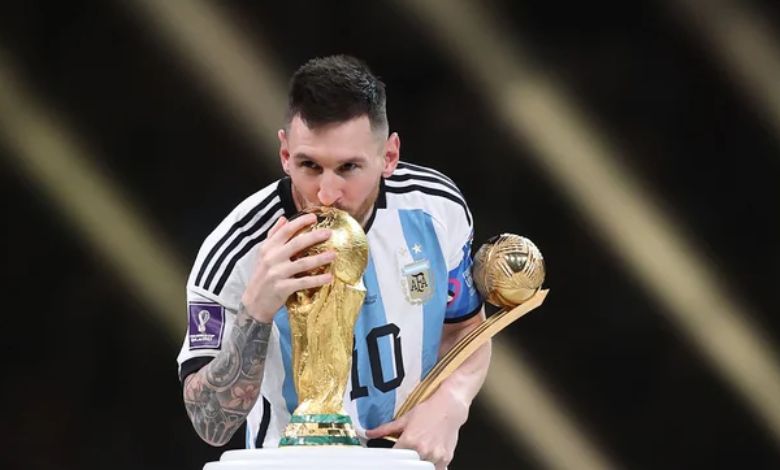
While Spain had Xavi, Iniesta, and Messi defined an era for Barcelona and Argentina, and Cristiano Ronaldo embodied Portugal’s greatness, Germany’s power lay in collective strength. That very identity meant they often lacked the kind of dazzling individual narrative that sways Ballon d’Or voters.
The award has long been dominated by attacking players. Aside from rare exceptions like Fabio Cannavaro (2006) and Rodri (2024), most winners have been goal scorers or glamorous attacking stars. After Miroslav Klose, Germany lacked a truly world-class striker who could command the spotlight. Thomas Müller, a masterful Raumdeuter (space interpreter), was seen as a system player rather than a global icon. Toni Kroos, for all his tactical brilliance and consistency, never had the theatrical aura that the Ballon d’Or often demands.

Goalkeepers Oliver Kahn (2001, 2002) and Manuel Neuer (2014) pushed the boundaries of their position, yet both peaked at third place. Neuer’s 2014 campaign was particularly telling: he won the World Cup and the Golden Glove, while Messi lost the final—yet the Argentine still finished above him, second only to Cristiano Ronaldo. The Ballon d’Or’s bias toward attacking flair left little room for German stars in less glamorous roles.
Germany also fell victim to the Messi-Ronaldo duopoly. From 2008 to 2023, only Luka Modric (2018) and Rodri (2024) broke through, while the rest of the era belonged to the two icons. Even with the German golden generation of 2014, no single player outshone their dominance.
A new dawn with a new generation
With Messi and Ronaldo no longer fixtures in the top three, the door has opened for Germany again. Jamal Musiala and Florian Wirtz now carry the nation’s hopes.
Musiala’s elegance, technique, and creative spark make him Bayern’s rising conductor. Injuries may have slowed him, but his potential remains intact. Wirtz, the Leverkusen prodigy now shining at Liverpool, has proven himself as a leader capable of dictating games at the highest level. His intelligence, creativity, and flair in big matches make him a genuine contender in the coming years.

If either can explode in the Champions League or on the international stage, Germany’s wait for another Ballon d’Or could finally end.
Germany once produced legends who defined football history. For nearly 30 years, however, it has endured a barren spell in the sport’s biggest individual race—hampered by a collective ethos, a shortage of star forwards, and the shadow of Messi and Ronaldo.
But football is cyclical. As one era closes, another begins. If Musiala, Wirtz, or another rising star can elevate themselves beyond the team and leave an indelible individual mark, German football may soon return to the Ballon d’Or’s highest stage.
Sources: Znews
You must be logged in to post a comment.