

Another controversy is making waves in the K-pop community — but this time, the backlash isn’t directed at idols or agencies. Instead, it’s aimed at fans themselves.
Following their comeback, NCT Wish launched a pop-up store featuring vending machines packed with exclusive merchandise. Fans queued for hours from early morning, eager to get their hands on limited-edition goods. But the excitement quickly soured when two individuals reportedly emptied the entire machine within minutes, leaving the rest of the crowd frustrated and empty-handed.
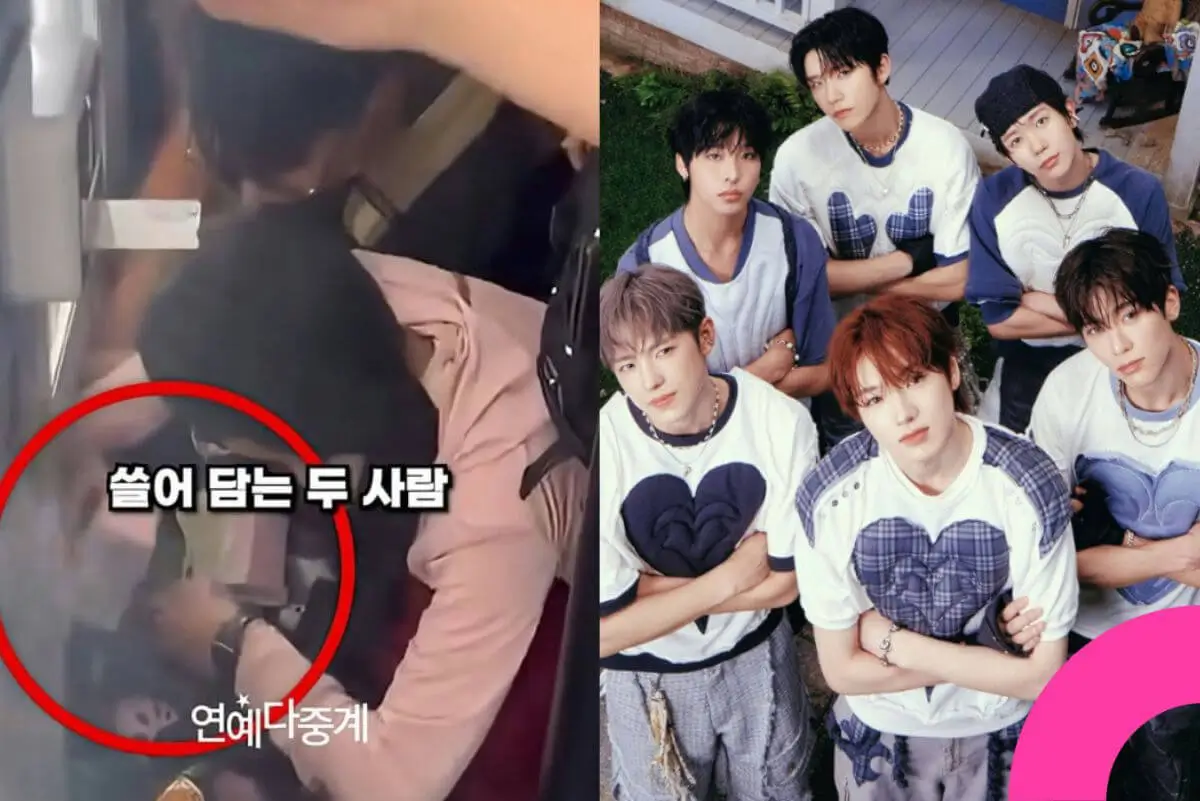
Clips of the incident spread rapidly online, sparking outrage over poor event management and the absence of staff to prevent hoarding. For many, it underscored a broader question: should K-pop merchandise come with strict purchase limits?

Many argue yes. After all, it isn’t fair for fans who wait all day to walk away with nothing, especially when others scoop up bulk quantities with the intention of reselling at inflated prices. This practice not only hurts genuine supporters but also damages the fandom’s reputation and undermines the idols’ efforts to connect meaningfully with fans.

From a marketing standpoint, limited supply can build hype and demand — but only if distribution feels fair. When just a few people monopolize the stock, it fosters resentment rather than excitement.
Capping purchases wouldn’t solve every issue, but it could at least ensure a more balanced experience. In the end, K-pop thrives because of its dedicated fanbase, and fairness should remain at the heart of that relationship.
Sources: allkpop
You must be logged in to post a comment.