
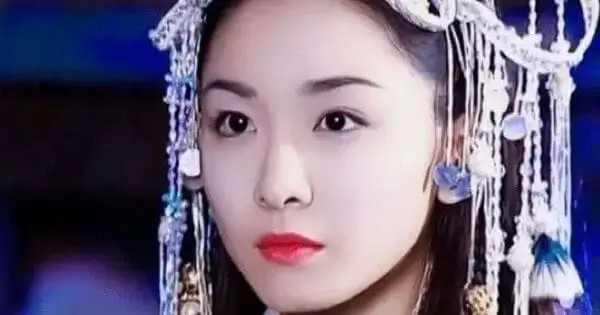
On September 5, Taiwanese actress Chiang Tsu Ping shocked the public when she revealed she was the victim of sexual assault by her ex-boyfriend Gong Yiting, the son of Sanlih Television’s deputy general manager Gong Meifu.
Chiang stated that after a party in June, Gong Yiting followed her home. When she suffered chest pains, he allegedly swapped her medication, causing her to lose consciousness. She claims he then raped her, filmed the act, and live-streamed it. When she demanded he delete the footage, she was threatened.
Two other women later came forward, accusing Gong Yiting of sending harassing messages. One even quit her job due to the pressure.
Gong Yiting admitted to having an eight-month relationship with Chiang Tsu Ping but denied rape, claiming she fabricated the story “out of heartbreak.” He also announced plans to countersue.
Silence in the Industry and Sanlih’s Response
The Chiang Tsu Ping case has highlighted the risks of speaking out in Taiwan’s entertainment world. Unlike other #MeToo moments where many entertainers voiced solidarity, this time most remained silent. Only actor Jian Jiawei publicly supported Chiang Tsu Ping, calling her “the bravest actress I know.”
Analysts suggest many stayed quiet because of Sanlih’s influence. Chiang Tsu Ping, who now acts mainly out of passion rather than financial need, had less to lose, while others feared retaliation.
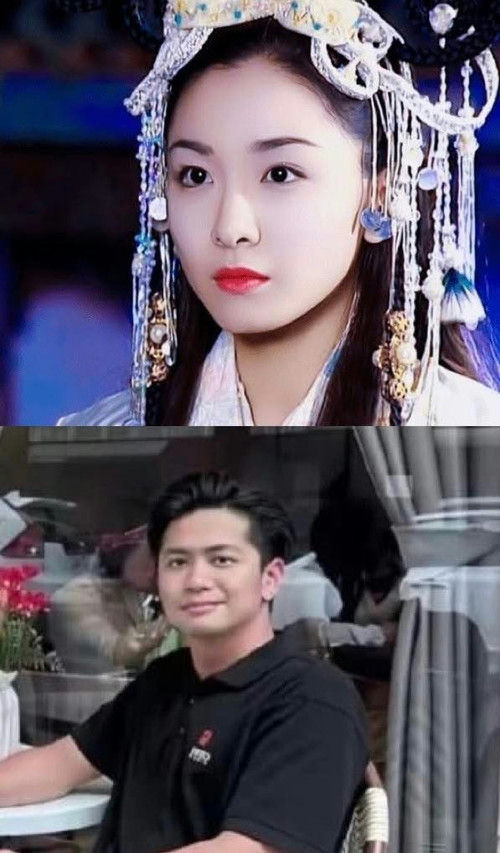
Gong Yiting worked as an assistant director at Sanlih, while his father, Gong Meifu, long oversaw drama production and held enormous power over casting decisions.
Sanlih eventually issued an official statement, with CEO Kao Minhui declaring: “Gong Meifu has been suspended. All documents have been handed to prosecutors. Sanlih will not cover up.”
Growing Public Support
Although the industry stayed largely quiet, support for Chiang Tsu Ping has grown.
Singer BadT condemned victim-blaming: “Drugging someone to assault them is a crime. Why question her story and label her crazy? She was incredibly brave to speak out.”
Composer Hsu Changte criticized Sanlih’s handling: “She stood up against a powerful company, yet they only cared about protecting themselves.”
Actress Wu Yuanchun and actress Liao Jiani also showed support, with Liao writing: “The guilty must be punished. Women deserve respect and safety.”
Chiang Tsu Ping’s Life After Speaking Out
On September 7, Chiang Tsu Ping revealed that both Gong Yiting and his father had left Sanlih, but she admitted she still lived in fear: “I’m exhausted, physically and mentally. I don’t even dare order food, afraid the delivery person might not be real.”
Born in 1978, Chiang Tsu Ping was once celebrated for her pure beauty and starred in classics like The Storm Riders, A Step into the Past, and Princess Huai Yu. Her career slowed after a 2015 on-set accident caused a brain injury and permanent hearing loss, forcing her into long-term treatment.
The Chiang Tsu Ping case raises vital issues about:
- Power and privilege in Taiwan’s entertainment industry
- Victim silencing and industry-wide fear of speaking out
- Corporate accountability in handling abuse allegations
As investigations continue, this case could become a turning point for how sexual assault allegations involving powerful media families are addressed in Taiwan.
Whether it evolves into a landmark #MeToo moment or remains an unresolved controversy, Chiang Tsu Ping’s courage has already ignited a critical conversation about abuse, silence, and accountability in the entertainment industry.
Sources: K14
You must be logged in to post a comment.