

On November 29, 2024, JTBC’s investigative program Crime Chief aired allegations of prostitution against Mr. A, the CEO of a well-known Korean medical device manufacturer. The episode claimed that Mr. A had an inappropriate sexual relationship with Ms. L, a woman in her 40s — more than 20 years his junior.
The whistleblower was Ms. L’s former fiancé, who alleged on-air that “CEO A gave money to [his fiancée] in exchange for prostitution.”
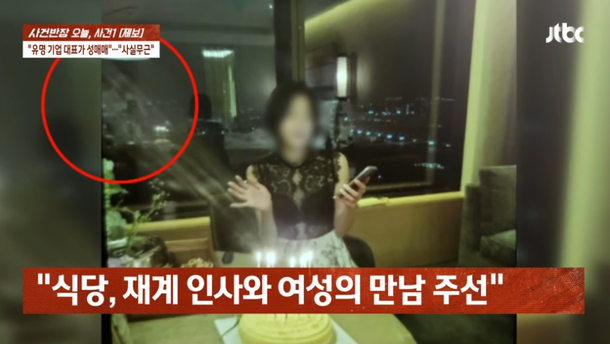
Yet, just days later, the video disappeared from JTBC’s platforms. The network cited a request to remove the footage after hearing that CEO A’s wife had fallen ill from the shock.
Eight Months Later: CEO A Still in Power
Despite the public allegations, CEO A continues to lead the medical device company and recently released an ESG report lauding his “commitment to ethical management.”


Meanwhile, the whistleblower has spent the past year fighting to expose the misconduct of influential figures. Frustrated by inaction, he turned to Dispatch, armed with his ex-fiancée’s personal diary — a detailed record of encounters with some of Korea’s most powerful men.
The Diary That Names 25 Influential Figures
Dispatch’s review of the diary reveals names from across Korea’s business and political elite, including:
- The CEO of a medical device firm (Mr. A)
- The CEO of a drama production company (Mr. B)
- The Vice Chairman of a major leisure group (Mr. C)
- A venture capital firm CEO (Mr. D)
- A high-profile lawyer (Mr. E)
- A restaurant franchise president (Mr. F)
- The president of a prestigious golf course in Pocheon
According to the whistleblower, at least 10 of these individuals paid for sex with Ms. L.
Inside Korea House: The VIP Entertainment Hub
Ms. L, a trained Korean dancer and cultural arts award recipient, worked part-time as a VIP hostess at “Korea House” — once Gangnam’s most expensive meat restaurant. The venue allegedly doubled as an illicit entertainment hub, summoning women to provide high-priced companionship and sexual services for elite clients.


VIP guests were reportedly charged 200,000 won for table service alone, with “second and third rounds” (additional sexual services) negotiated privately.
Korea House has since closed following a whistleblower report of illegal operations, but many of its patrons remain influential in business and politics.
Alleged Encounters with Vice Chairman C
On October 21, 2024, Ms. L met Vice Chairman C of KH Group through Korea House connections. After a dinner, she allegedly spent the night with him in a hotel for 3 million won, an event she documented with photos.


Days later, Vice Chairman C reportedly introduced her to a high-ranking police officer during a drinking party, allegedly for the purpose of securing favors. The Corruption Investigation Office for High-Ranking Officials dismissed the entertainment allegation, citing lack of evidence.
Payments from CEO A and Other High-Profile Figures
The diary documents over four years of alleged sexual encounters between Ms. L and CEO A, starting in 2019. Payments reportedly ranged from 1 to 3 million won per meeting, with meetings often held in hotels or at Ms. L’s home. KakaoTalk messages reviewed by Dispatch show the pair exchanging door codes and arranging private meetings.
Other notable entries include:
- CEO B (Media Executive) – Payments of 1–2 million won per encounter, with diary “heart” marks allegedly signifying sexual intercourse.
- CEO D (Venture Capital) – Sent 2 million won after a hotel stay.
- Lawyer E – Regular hotel meetings coordinated via KakaoTalk.
- Restaurant and golf course executives – Listed as frequent VIP clients.
Denials and Public Statements
When approached, CEO A claimed the money given to Ms. L was not for prostitution, stating they met during a difficult period in his life. CEO B described the payments as “pocket money” in the context of dating, while others either denied the allegations or declined to comment.


KH Group issued a statement distancing itself from Vice Chairman C, claiming he was employed for only one month before being asked to stop using his title.
This case underscores a persistent problem in South Korea’s elite circles — the intersection of wealth, political influence, and the underground sex industry.
Despite evidence in the form of diaries, photographs, and chat logs, prosecutions remain rare when powerful figures are involved. The whistleblower’s account suggests that even in the age of digital transparency, social standing can shield individuals from legal consequences.
Sources: Nate
You must be logged in to post a comment.