
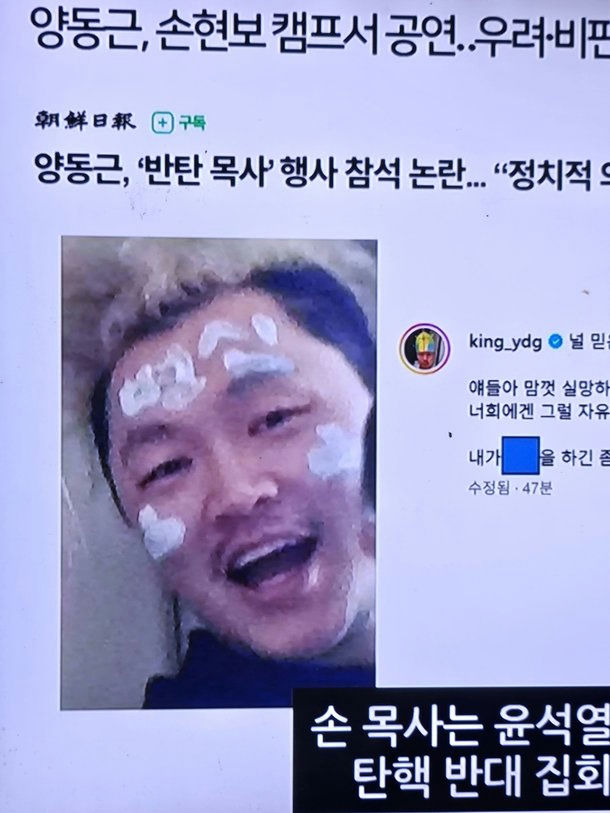
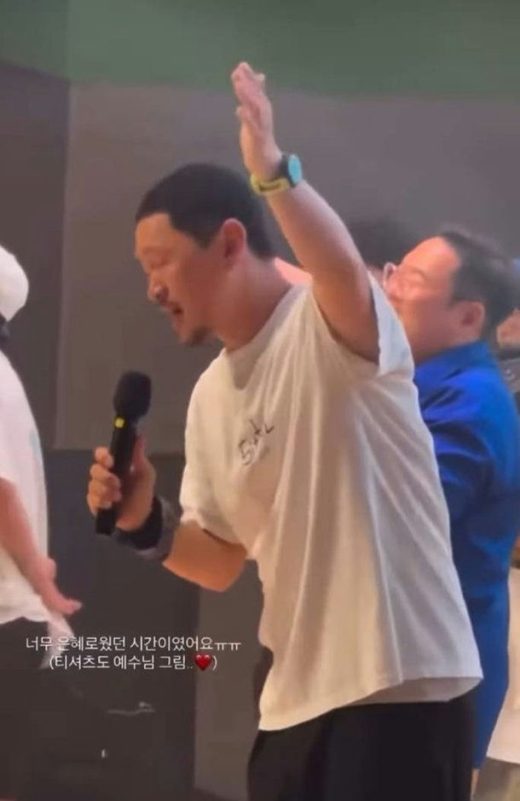
Yang Dong-geun recently found himself at the center of controversy after sharing a video on his personal social media account. The video showed his participation in a religious event hosted by a pastor known for defending former President Yoon Suk-yeol’s alleged push for martial law during his impeachment. Yang’s post led many netizens to question whether he was endorsing anti-impeachment rhetoric or supporting martial law.
In response, Yang’s agency attempted to neutralize the situation by explaining that his participation stemmed from “pure religious intent”. The statement sought to downplay any political affiliations or interpretations of Yang’s actions. While the explanation temporarily slowed down criticism, the controversy remained unresolved.
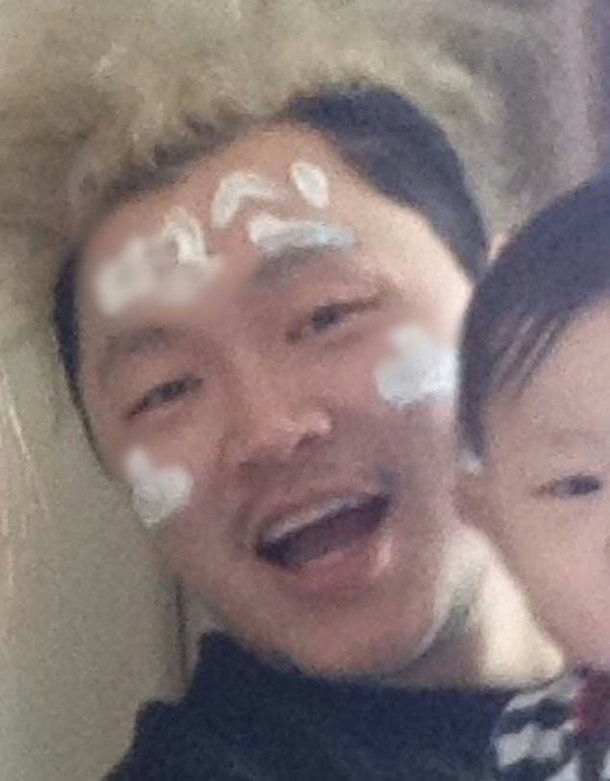
Then came the second blow. On August 2, Yang posted a puzzling and emotionally charged message on SNS, reigniting the scandal. In the post, he wrote, “I’m the idiot for believing in you”, “Go ahead, be disappointed. Curse all you want—you’re free to do so” and “It’s not like I can just off myself, right?”
He also shared images of his face painted with the slur “retard” (병X) and a middle finger. Some photos even featured him smiling while holding a child—an unsettling contrast that drew heavy criticism from netizens.
The graphic language and imagery rendered the agency’s earlier statement moot, and the post drew comparisons to the infamous “dog apology photo” (개사과) involving Kim Keon-hee, First Lady of South Korea, which was widely criticized for its perceived insincerity.
In an updated statement at 5 PM KST on the same day, Yang’s agency reiterated that he “acted from religious sincerity” and “was unaware of the pastor’s political stance”. The agency also promised to release a more formal explanation soon.

However, Kim Eon-kyung, head of the media and human rights group “Mungcle”, commented, “Both regular individuals and celebrities are entitled to religious freedom and personal beliefs. But Yang’s second social media post—particularly one containing ableist slurs and aggressive images—only provokes further controversy. The situation is reminiscent of Kim Keon-hee’s tone-deaf apology.”
She added, “Public figures like Yang wield considerable social influence. Even unintentional controversies should be met with self-restraint and responsibility.”

This incident, dubbed the “Yang Dong-geun controversy”, raises broader questions about the authenticity of agency-issued apologies and the responsibilities of public figures in the digital age. What started as a questionable appearance at a religious event has now snowballed into a media firestorm—one that continues to heat up the already sweltering summer in Korea.
Sources: Nate
You must be logged in to post a comment.