
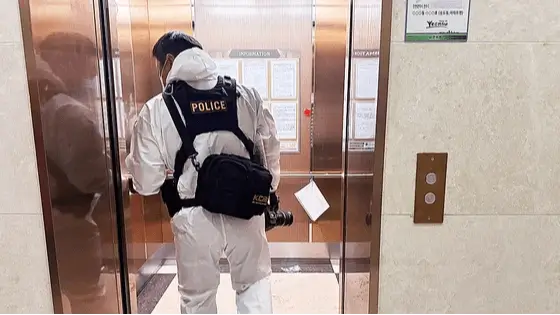
In the recent fatal shooting incident involving a homemade firearm in Songdo, Incheon, it has been revealed that the supervising police commander failed to appear at the scene for over 70 minutes. More alarmingly, the officer was reportedly unaware of internal protocols requiring immediate presence at such high-risk crime scenes.
According to documents obtained on July 26 by lawmaker Youn Kun-young from the Democratic Party, the emergency 112 call was first made at 9:31 PM on July 20. The caller was the wife of the victim, a 33-year-old man identified as Mr. A, who had been shot by his father. She took her children and locked themselves in a room while pleading for help, saying, “My husband was shot. Please save us.”
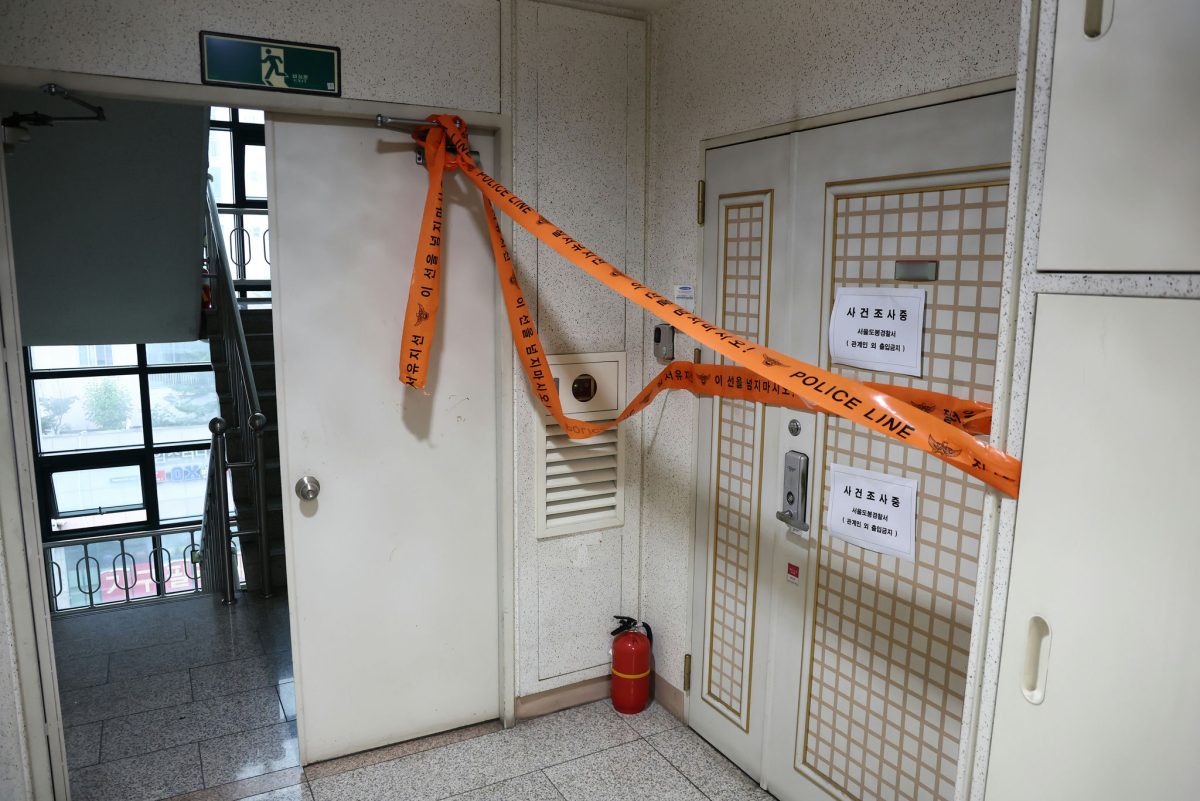
The responding officer quickly recognized the severity of the situation and issued a “Code 0” — the highest-level emergency dispatch protocol. Within about 10 minutes, three patrol cars arrived at the scene. However, the key commanding officer, identified as Inspector B, did not show up.
Internal police protocol mandates that during a “Code 0” situation, the situation commander must respond to the scene to lead the initial response team and later hand over authority to a department head. Not only did Inspector B fail to appear, but no senior officer was appointed to lead in his absence, despite it being a required fallback procedure.
Without a clear chain of command, the initial responders decided to wait for the SWAT team, concerned that engaging the suspect — 62-year-old Mr. C — might endanger the family inside. The SWAT team arrived at 10:16 PM and entered the residence at 10:40 PM, only to find that the suspect had already fled. Inspector B finally arrived at 10:43 PM.
The front door had been damaged by the suspect’s gunfire and could have been opened at any time, but officers did not attempt to enter before the SWAT team’s arrival. It wasn’t until 11:18 PM — nearly two hours after the initial call — that officers confirmed via CCTV that the suspect had escaped through the building’s lobby.
The local police department defended its actions, claiming they remained in contact with the victim’s wife, who believed the suspect was still inside. Officers also reportedly tried to gain visual access through the terrace. Inspector B later stated that he attempted to lead from the station and assisted with communications and internal coordination. He acknowledged not knowing the on-site response manual and said, “I tried to verify the layout of the house using the internet.”
Regarding the missed opportunity to direct SWAT operations, Inspector B explained that radio communication had failed en route to the scene and that by the time he arrived, the SWAT team had already entered. He did not go inside the apartment to avoid contaminating potential evidence.
In response to public outcry and concerns over the delayed police action, the National Police Agency’s Inspector General’s Office has launched an official investigation. A spokesperson confirmed, “We will thoroughly examine whether the initial response at the scene was appropriate.”
This case has reignited public debate about police preparedness and accountability during life-threatening emergencies, with many calling for stricter enforcement of command protocols and improved training in crisis response.
Nate
You must be logged in to post a comment.