
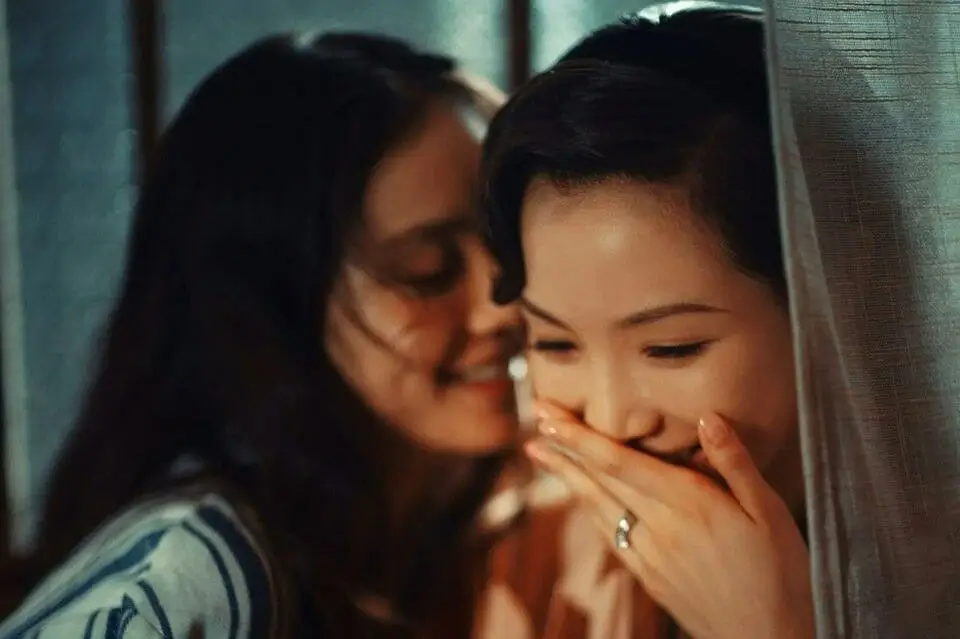
In the same digital ecosystems where explicit boylove (BL) content leads to high-profile arrests and fervent fan wars, girllove (GL) literature faces an entirely different challenge—lack of readership. Despite also portraying same-sex love, GL novels are rarely adapted into hit TV series or influential webtoons.
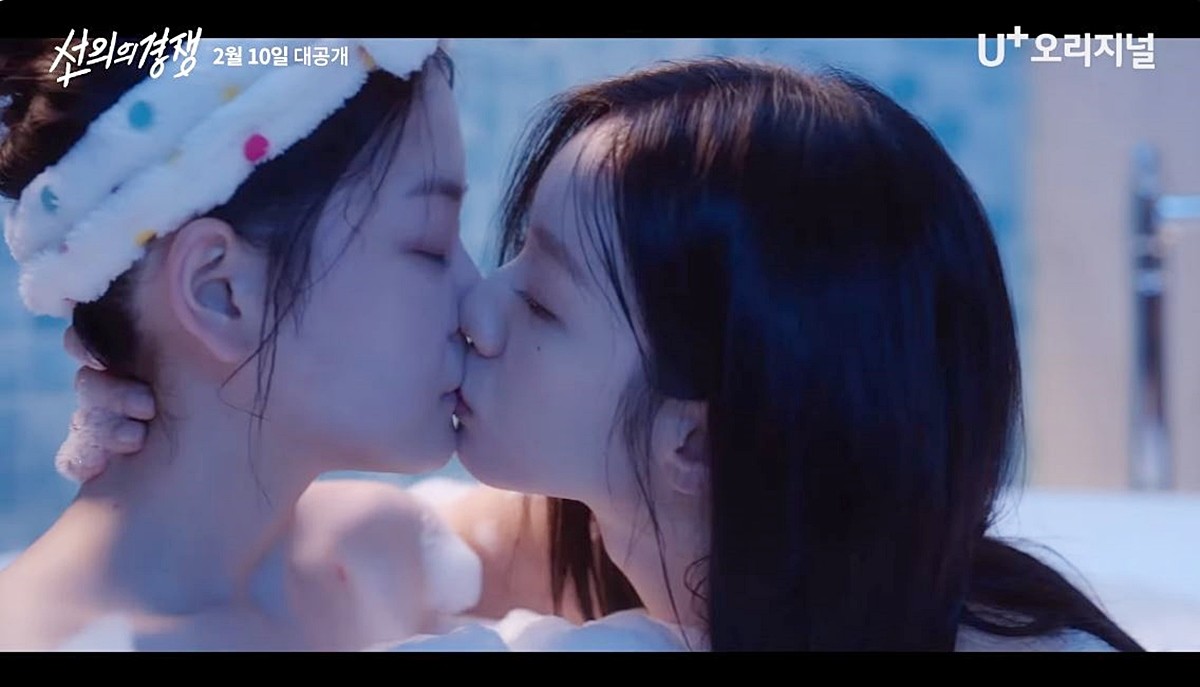
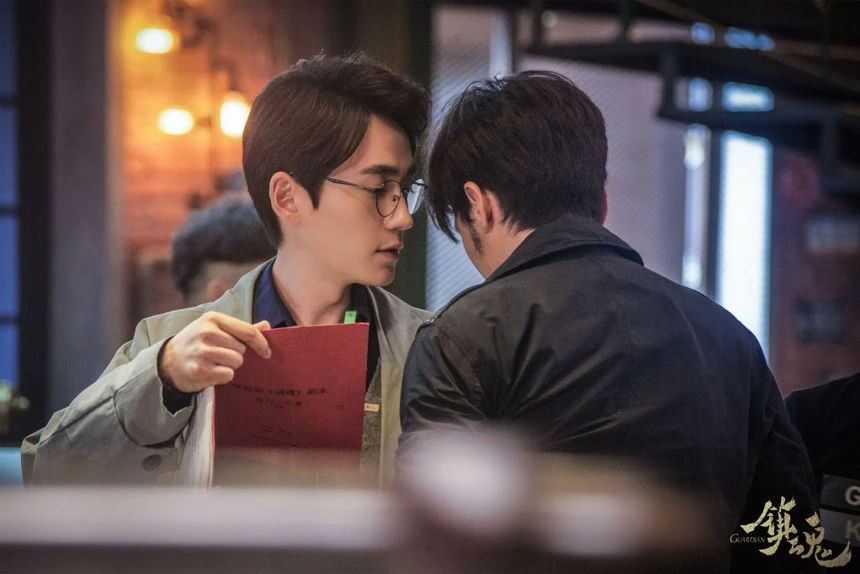
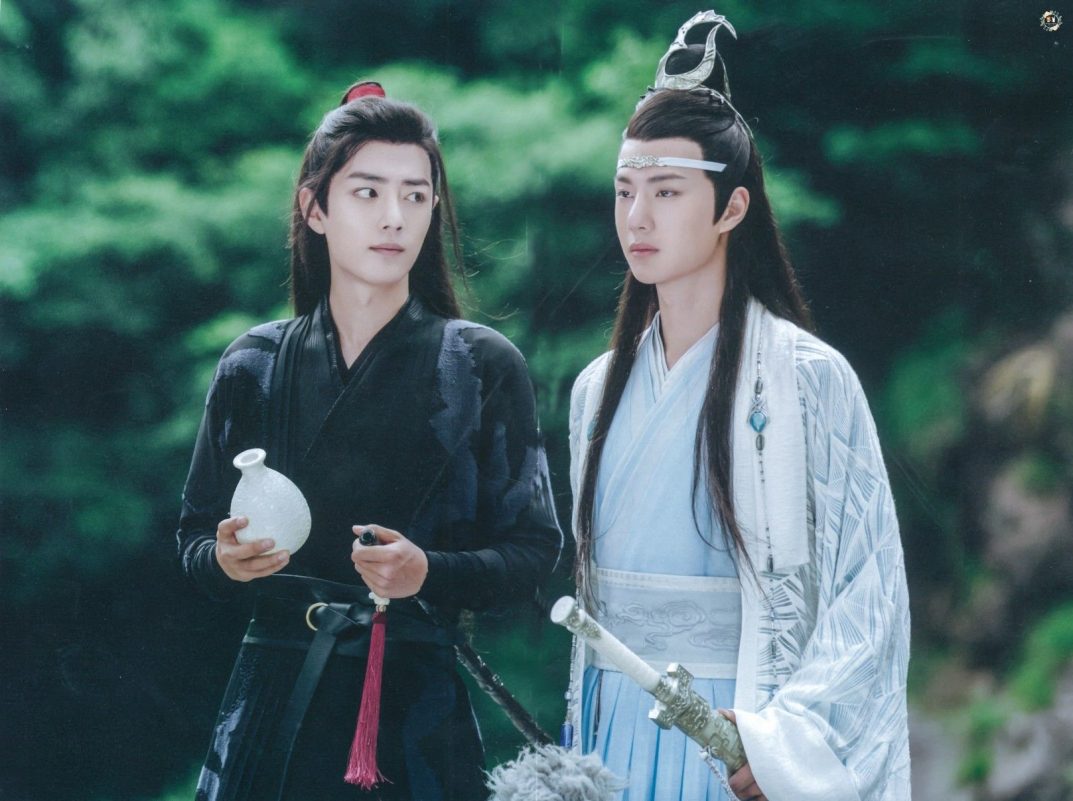
According to an April 2024 study by Dr. Wenqian Zhang of the University of Exeter, only three GL novels made it into the top 200 on China’s leading romance fiction platform, Jinjiang Literature City. In contrast, over 430,000 BL stories have been uploaded, many of which are adapted into mainstream dramas, comics, or even games. Notable successes include The Untamed and Guardian, which not only dominated viewership charts but also launched their lead actors into stardom.
Girllove’s Lack of Momentum
GL stories, in comparison, have produced few culturally impactful works. When adapted, they often come with minimal budgets, scarce promotion, and limited viewership. Cultural critic Li Duodao argues that this discrepancy isn’t just about story quality it’s systemic.

BL thrives on the support of a powerful and organized fan base, predominantly young women aged 16–25, known as “fujoshi” or “hù nǚ” in China. These fans actively participate in fanfic creation, merchandise sales, cosplay, and social media campaigns. In contrast, GL lacks a similar community. Its audience is fragmented—comprising a small mix of women, male otaku, and fans of female idols—and not sizable enough to form a stable market.
The Cultural Gaze and Female Erasure
Beyond market dynamics, gender roles in literature and media influence this imbalance. BL narratives often benefit from cultural archetypes like “brotherhood” or “sworn loyalty,” allowing stories to sneak past censorship under the guise of platonic affection. GL has no such historical or cultural camouflage.
Traditional Chinese literature rarely centers female bonds. Women are commonly portrayed in relation to men—as wives, mothers, or concubines. Even fictional “sisterhoods” lack iconic standing. This absence in foundational storytelling deprives GL of narrative frameworks that resonate across audiences.
No “Savior Narrative” for Female Readers
Sociologists suggest another layer of complexity: for many women, consuming BL is a psychological escape. As described by Japanese feminist Chizuko Ueno, traditional heterosexual romances often reinforce the “male gaze”—portraying women primarily through a lens that objectifies them. BL, in contrast, allows women to enjoy love stories without being reminded of their own objectification.
GL doesn’t offer the same relief. Even in female-centric narratives, the internalized male gaze may persist, preventing true escapism. According to Ueno, “In a patriarchal society, women unconsciously evaluate other women through rigid gender lenses. GL doesn’t dismantle the male gaze—it often mirrors it.”
The massive disparity between BL and GL genres stems from deeper issues than mere preference. From market structure and reader demographics to centuries of gendered storytelling and ingrained cultural biases, the path for GL remains significantly more challenging.
znews
You must be logged in to post a comment.