

Netflix’s KPop Demon Hunters is setting a new global benchmark, even outperforming legendary acts like BTS and BLACKPINK in both streaming and music sales.
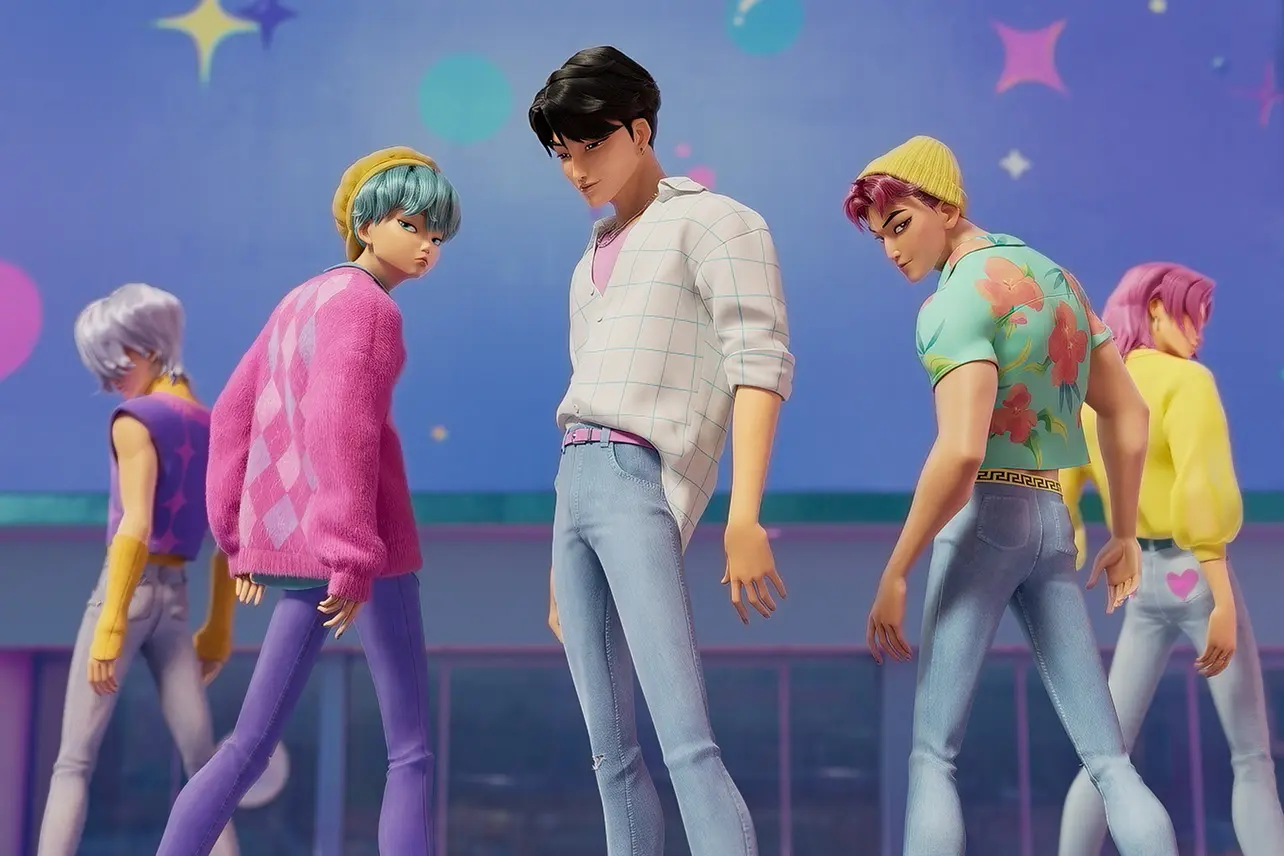
The series follows the fictional girl group HUNTR/X, composed of three members who live double lives. By day, they’re chart-topping K-pop idols, but by night, they become demon hunters protecting humanity from supernatural threats. The tension rises with the arrival of a rival boy group, Saja Boys, who, behind their glamorous image, are actually agents of darkness using hypnotic music to steal human souls.

Since its debut on June 20, Kpop Demon Hunters has achieved remarkable global success:
- Ranked #4 worldwide on Netflix’s most-watched shows
- Placed #2 overall across all Netflix content
- Reached #1 in the Kids category in the United States
- Maintained the top spot in South Korea and 10 other countries for nearly a week
Soundtrack Sets Historic Records
The KPop Demon Hunters original soundtrack has made history, becoming the first-ever K-pop album to top Apple Music USA—a feat that even BTS and BLACKPINK have yet to achieve. According to Billboard, the soundtrack is currently the best-selling film soundtrack in the U.S. for 2025.

The breakout track “Golden” by HUNTR/X has skyrocketed to #6 on the Billboard Hot 100, climbing from #81 to #23 in just two weeks. It has also topped both the Billboard Global 200 and Global Excl. U.S. charts.
Industry insiders and fans alike are speculating that “Golden” could be a major contender for Best Original Song at the 2026 Academy Awards.
In South Korea, “Golden” dominates the Melon Daily Chart, while other songs like “Soda Pop” and “Your Idol” by the fictional Saja Boys have entered the Top 20.
Social Media Craze and Celebrity Endorsements
Social media platforms are flooded with covers of “Golden,” featuring everyone from influencers and actors to rising K-pop idols. Major stars like Cha Eun-woo, PLAVE, and RIIZE have joined the Soda Pop dance challenge at fan meetings and on YouTube Shorts, amplifying the series’ viral momentum.
Many viewers are now hoping for the series to expand its musical scope further and continue competing with top-tier real-life K-pop acts.
Merchandising Frenzy and Museum Overload
The series’ success extends far beyond the screen. Merchandise featuring Derpy the tiger and Sussie the magpie characters inspired by traditional Korean art has become highly sought after.
The Derpy plush toy sold out almost immediately on Netflix’s online store, forcing fans to hunt for it at physical museum gift shops. The Korea National Museum Foundation reported a 70x spike in web traffic—jumping from 7,000 to 500,000 daily visitors—following the show’s release. On July 11, the demand for collector badges was so intense it crashed the website.

According to Bungaejangter, cross-border e-commerce transactions for KPop Demon Hunters merchandise surged 78% in volume and 56% in value compared to the previous year.
Even food products featured in the show are enjoying newfound popularity. Spicy potato chips resembling Saewookkang and a fictional Dongshim Ramen (reminiscent of Shin Ramyeon) have seen increased demand.
All this happened without any paid marketing campaign, as the series relies entirely on organic word-of-mouth buzz. Even Samsung joined the trend by incorporating Sussie’s triple-eyed design into a promotional video for the Galaxy Fold 7.
What Drives the Frenzy Behind Kpop Demon Hunters?
Experts believe the global appeal of KPop Demon Hunters stems from its gripping storyline, relatable characters, and high-quality music—all of which strike a chord with both dedicated K-pop fans and the general public.

Critics also praise its creative fusion of everyday Korean life and traditional culture. Speaking to The Korea Times, pop culture critic Kim Hern-sik noted, “The K-pop community supports the show in a holistic way. They want to consume everything associated with the series not just the music. It’s both a form of fan expression and a remedy for feeling excluded from mainstream narratives.”
However, Kim Herin-sik cautions against overemphasizing the “Korean identity” factor as the key to success. “What matters most is capturing what fans really want, while remaining open to a broader global market. That’s what leads to sustainable cultural ripple effects.”
K14
You must be logged in to post a comment.