
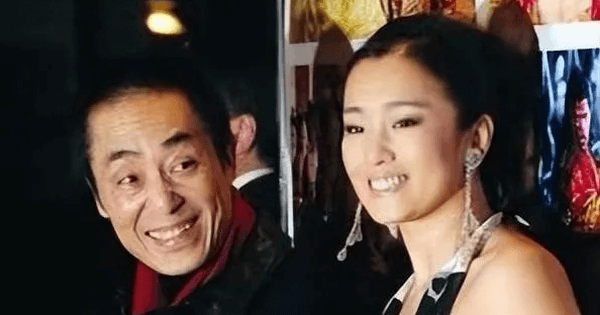
In 1987, amid China’s cinematic renaissance, a young director named Zhang Yimou discovered film student Gong Li during an audition for Red Sorghum. Though inexperienced, her fiery gaze captivated him. Zhang took a bold chance, casting her as the lead — a decision that paid off when the film won the Golden Bear at the 1988 Berlin International Film Festival, launching both of their careers to international fame.

From that moment, their names became inseparable. Zhang Yimou shaped Gong Li’s artistry, while she became his muse the soul of his camera. Together, they created some of the greatest masterpieces in Chinese cinema: Raise the Red Lantern, Ju Dou, The Story of Qiu Ju, and To Live. Their on-screen collaborations blurred the line between professional partnership and passionate love.
Gong Li once said, “We understood each other without words just a glance was enough.” Yet as their creative bond deepened, personal expectations began to pull them apart.


For eight years, Gong Li devoted her youth to Zhang Yimou. By 1995, at age 30, she longed for marriage and stability. However, Zhang still emotionally scarred from his previous marriage feared that marriage would “chain his creativity.” His hesitation planted the seed of their separation.
According to Tiffany Chen, wife of Hong Kong film mogul Charles Heung and a longtime friend of the couple, Gong Li confided in her during those painful years. Chen recalled seeing Gong Li cry in a dressing room in Suzhou, heartbroken after waiting in vain for a proposal that never came.

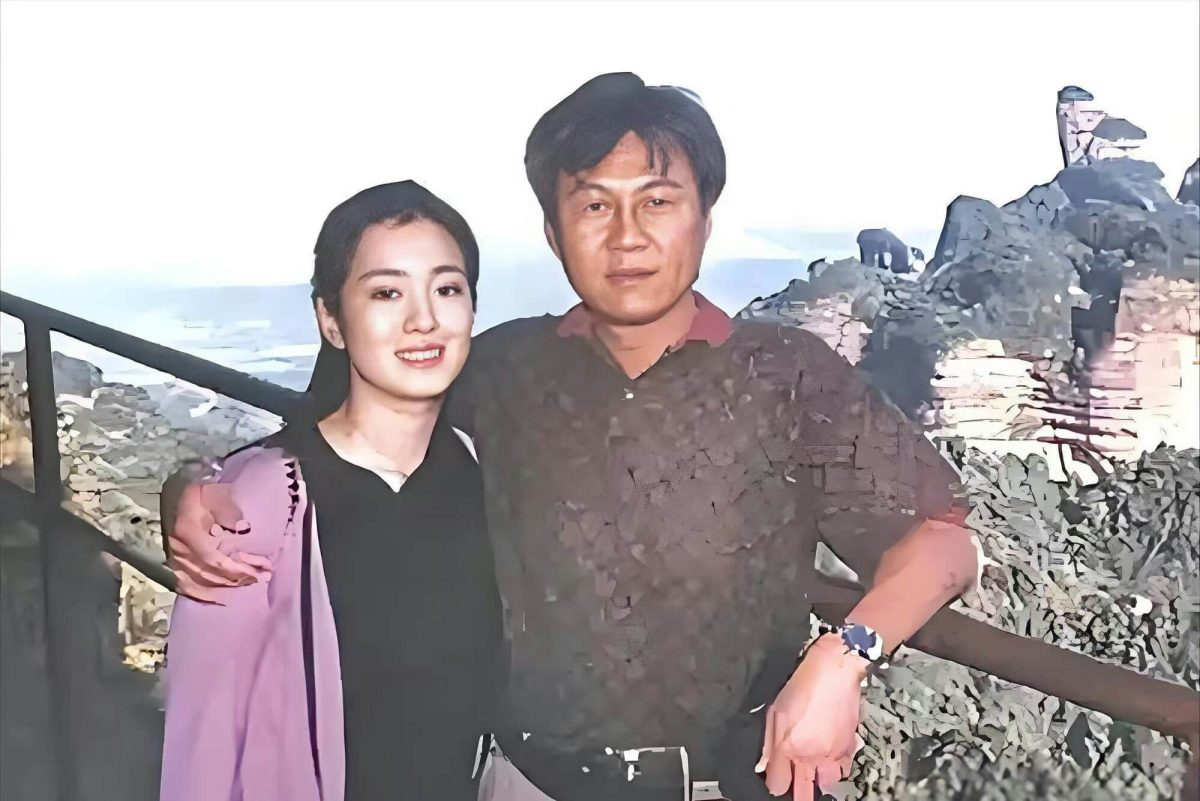
When the breakup finally came, Zhang was devastated. He was in Tokyo finishing post-production when he received the news. Chen revealed that Zhang called her from a payphone, sobbing uncontrollably. “He talked a lot, but none of it made sense,” she said. “It was the first time I saw a man so powerful in art yet so helpless in love.”
During that emotional turmoil, another man entered Gong Li’s life — Singaporean businessman Ooi Hoe Seong, who had coincidentally been introduced to her through one of Zhang’s projects. Ooi pursued Gong Li with unwavering sincerity, and by 1995, she ended her relationship with Zhang. The following year, she married Ooi, marking a new chapter in her life.

Their marriage was peaceful but distant. While Gong Li traveled the world for her international film career, her husband remained focused on business in Singapore. Over time, the emotional gap widened, leading to a quiet, amicable divorce with no bitterness.
Today, at 60, Gong Li remains a timeless global icon. She often appears elegantly alongside her second husband, French composer Jean-Michel Jarre, radiating independence and inner peace. No longer anyone’s muse, Gong Li now stands as the author of her own story confident, free, and fulfilled.
Meanwhile, Zhang Yimou went on to create cinematic epics such as Hero, House of Flying Daggers, Shadow, and Under the Hawthorn Tree, while embracing a humble family life with his wife Chen Ting and their three children.
Their love may have ended, but its legacy born from art, passion, and pain continues to shape the soul of Chinese cinema.
Sources: K14
You must be logged in to post a comment.