
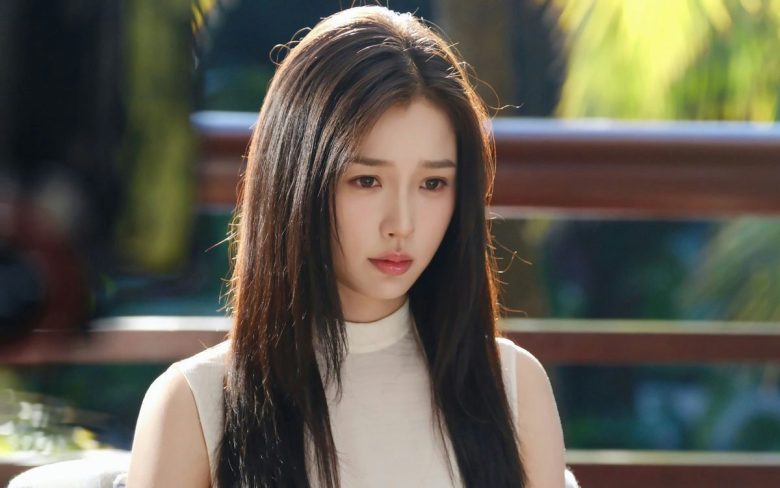
The Chinese entertainment industry has entered 2026 amid increasingly fierce competition for fame and status among young stars, particularly within the highly scrutinized post-95 generation of actresses. Recently, a brief incident involving Esther Yu unexpectedly ignited intense debate online, prompting widespread discussion about whether she truly holds a leading position among her peers.
A 14-second clip circulating rapidly on platforms such as Weibo and Douyin captured a moment from Esther Yu’s fan meeting. In the video, the actress of Love Between Fairy and Devil becomes visibly emotional as fans chant and declare her to be “Top 1 of the post-95 actresses.” Rather than deflecting or modestly denying the claim, Esther Yu appeared touched and appreciative, openly embracing the sentiment.
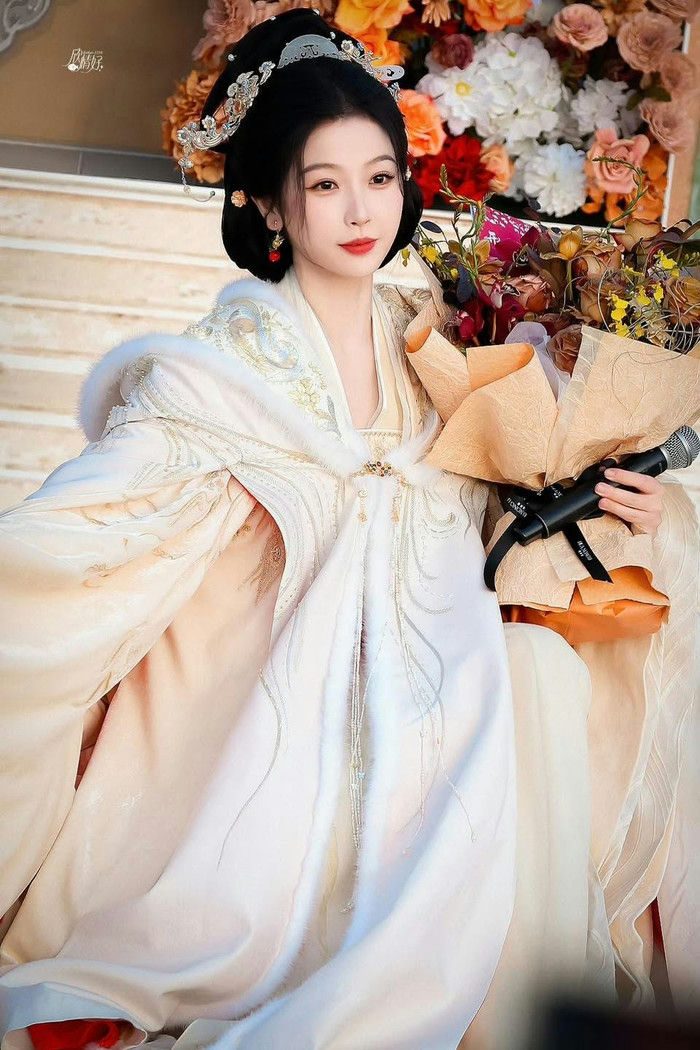
Her sparkling eyes and emotional expression were quickly interpreted by netizens as a “silent acknowledgment” of the title, leading to heated discussions across forums. Keywords related to Esther Yu “accepting the No.1 position” soon surged to the top of trending charts.
However, the reaction was far from unanimously positive. A large number of neutral viewers and fans of other actresses voiced strong objections, criticizing Esther Yu for appearing overly self-satisfied despite what they see as insufficient acting credentials and a limited body of work.
Many netizens commented bluntly: “To be Top 1, you need nationally explosive hits, major acting awards, or at least performances free of controversy. Esther Yu still relies on the same cutesy, one-note acting style—what qualifies her to lead?” Critics argued that she was overestimating the power of fandom and social media hype while overlooking the fundamental importance of artistic substance.

The controversy also reignited comparisons within the post-95 actress lineup, a generation packed with strong competitors. Zhao Lusi remains Esther Yu’s most direct rival, backed by multiple high-viewership dramas and strong public recognition. Zhou Ye and Zhang Jingyi are praised for their cinematic visuals and gradual transition into more serious roles, while Tian Xiwei has steadily gained attention for her improving performances and ability to anchor projects.
When placed side by side, Esther Yu is widely acknowledged for her personal branding and fashion influence, but her acting skills continue to divide opinion. Her apparent acceptance of a top-ranking title over these peers was seen by many as lacking tact and bordering on arrogance, potentially straining professional relationships within the industry.
While fan praise is natural, observers noted that a professional artist must remain clear-headed about their standing. By publicly accepting the label, Esther Yu may have unintentionally placed enormous pressure on herself. Going forward, every project and performance will likely be scrutinized far more harshly. Should her next drama fail to achieve breakout success, the so-called “self-proclaimed Top 1” title could quickly turn into a source of ridicule.

Industry veterans point out that true recognition in Chinese entertainment has historically come only after years—if not decades—of consistent work. Icons such as Zhou Xun, Zhang Ziyi, and more recently post-85 actresses like Yang Mi and Zhao Liying earned their status through sustained excellence rather than fan declarations at promotional events.
Esther Yu undeniably benefits from a strong starting point, financial stability, and a distinctive personality. However, many believe that securing a genuine Top 1 position among post-95 actresses will require heavier, more challenging roles, not just fast-consumption idol dramas. Ultimately, humility, artistic growth, and openness to criticism may prove far more valuable than basking in fleeting applause.
You must be logged in to post a comment.