
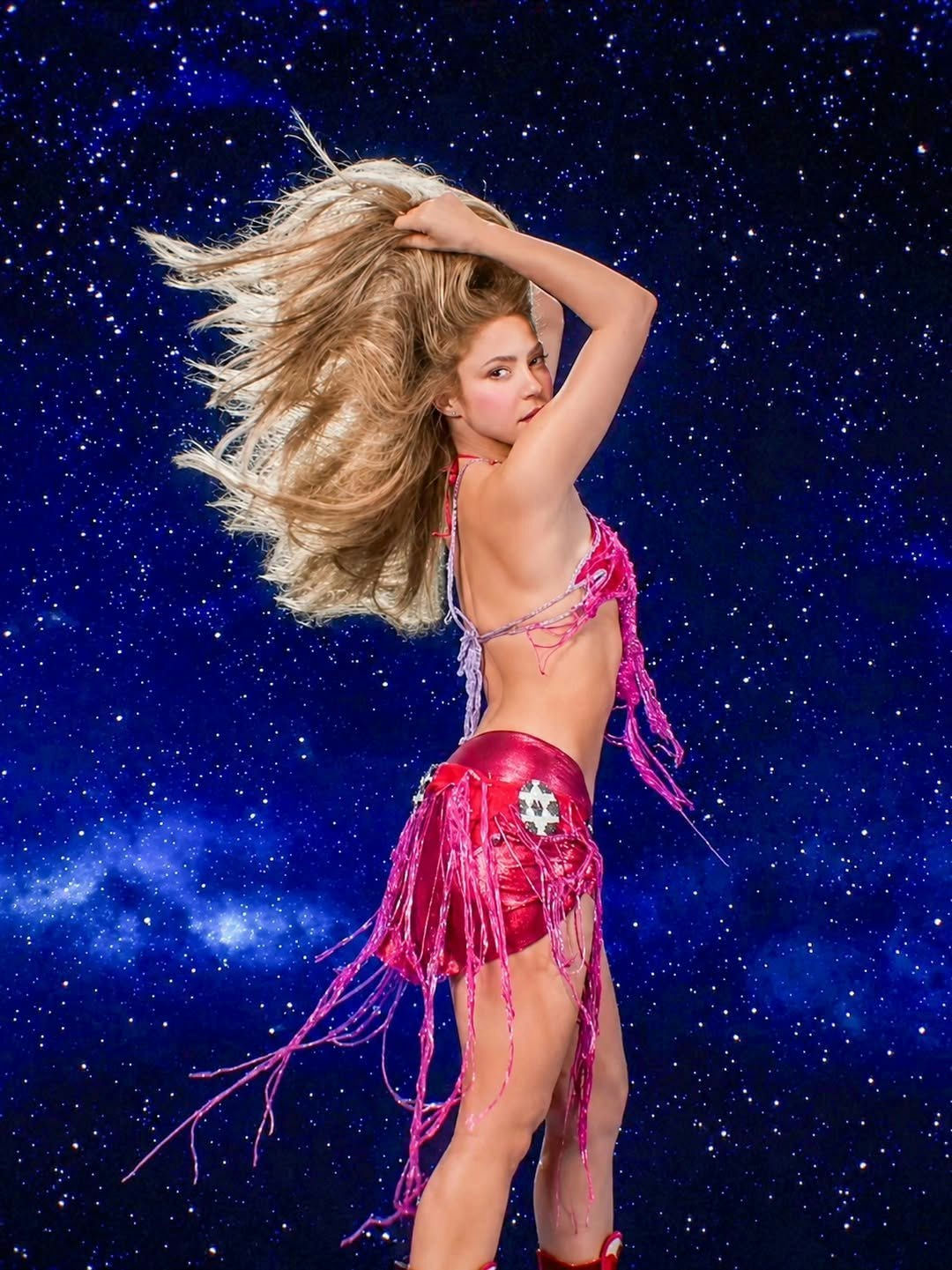
The 2026 FIFA World Cup is not only marking a historic turning point in global football with the tournament expanding to 48 national teams for the first time, but it has also evolved into an unprecedented worldwide entertainment spectacle. Alongside the excitement of top-tier football matches, some of the biggest names in global music spanning Western pop, K-pop, and Latin music have joined the event, transforming this year’s tournament into one of the most influential intersections of sports and entertainment ever seen.
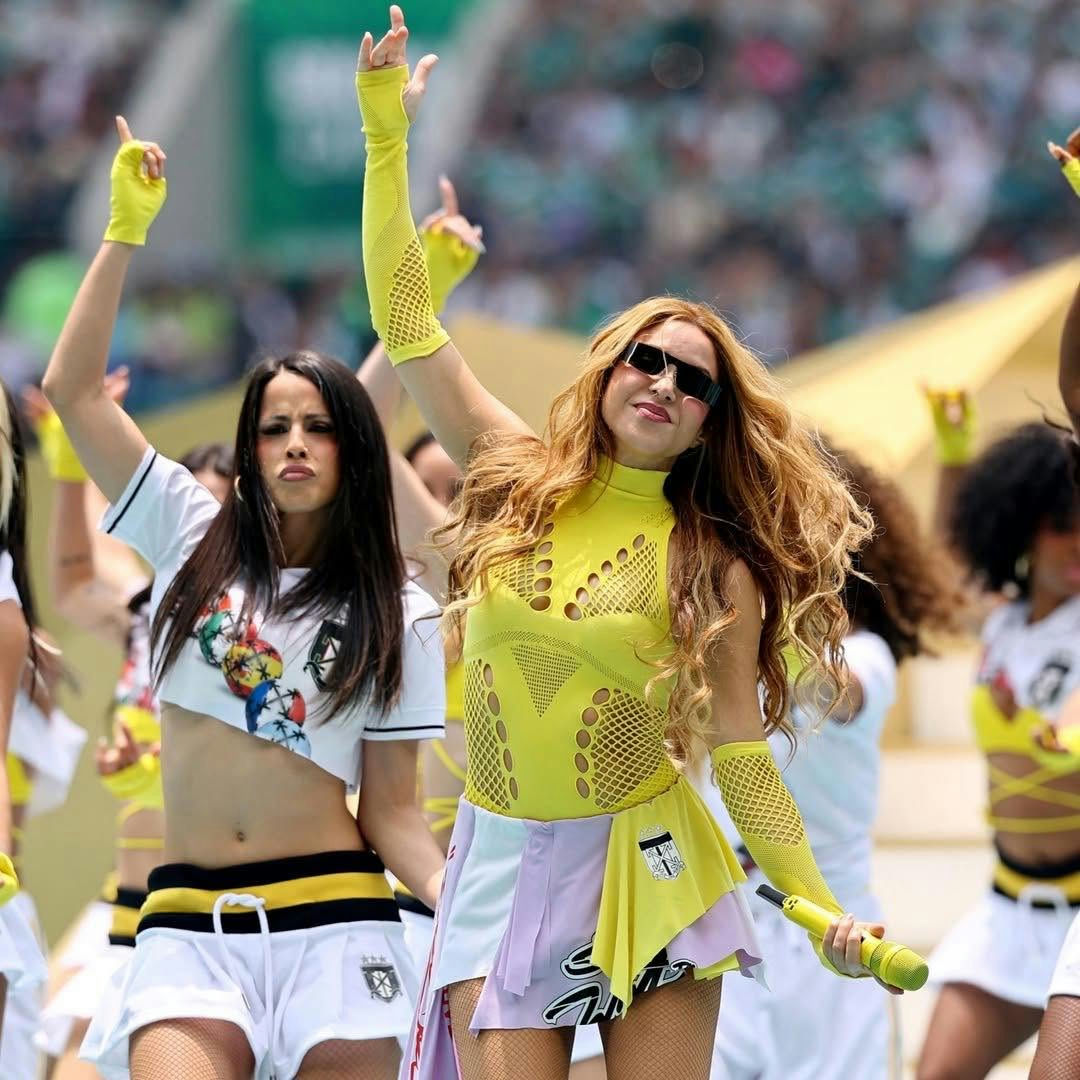
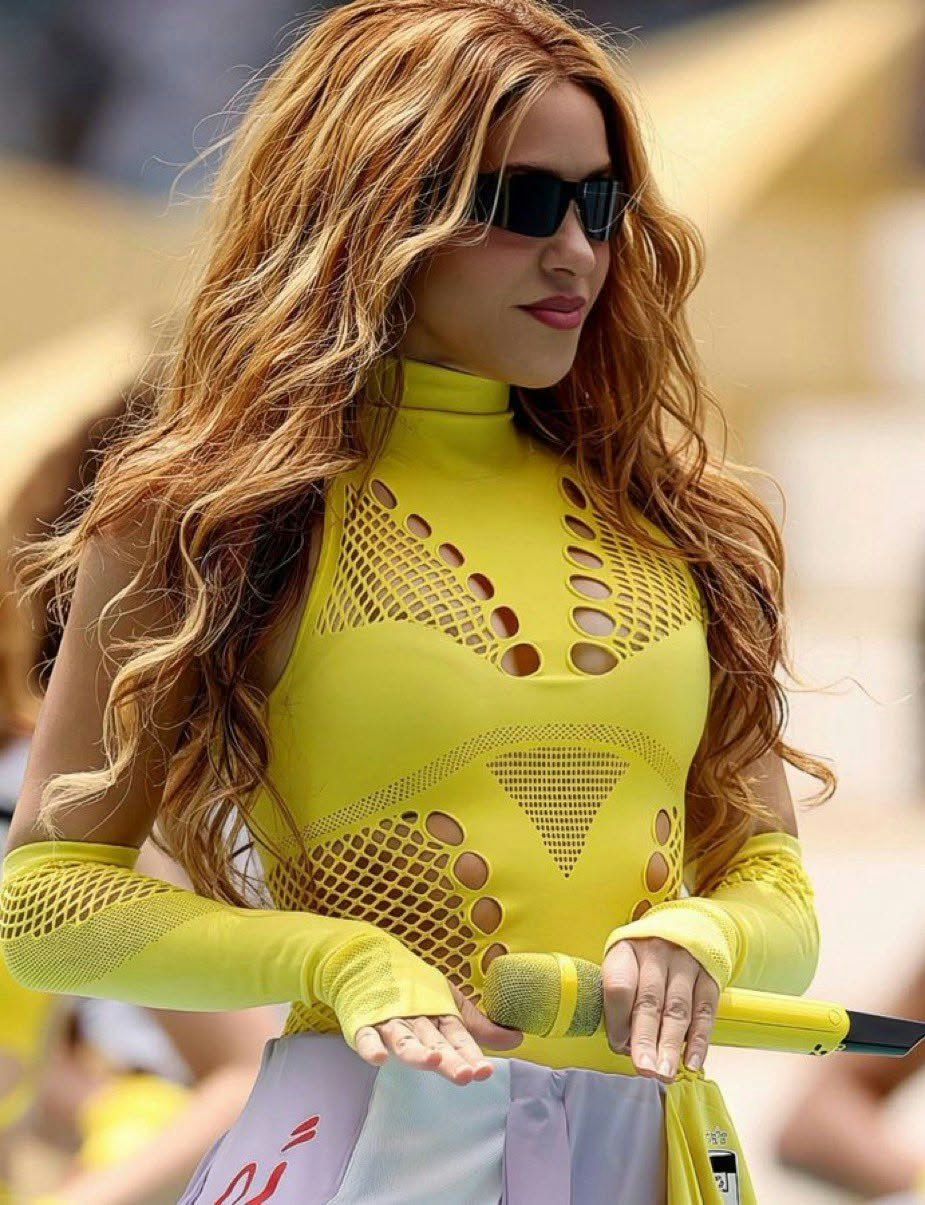
At Mexico’s iconic Estadio Azteca, the spotlight fell on Shakira and Burna Boy, who delivered the official theme song Dai Dai. Legendary tenor Andrea Bocelli also took the stage alongside Korean artist EJAE for the anthem DNA (More Than a Game), which notably included Korean lyrics. Meanwhile, Latin energy remained high with performances from J Balvin, Ryan Castro, and Mexican music icons Maná and Alejandro Fernández.
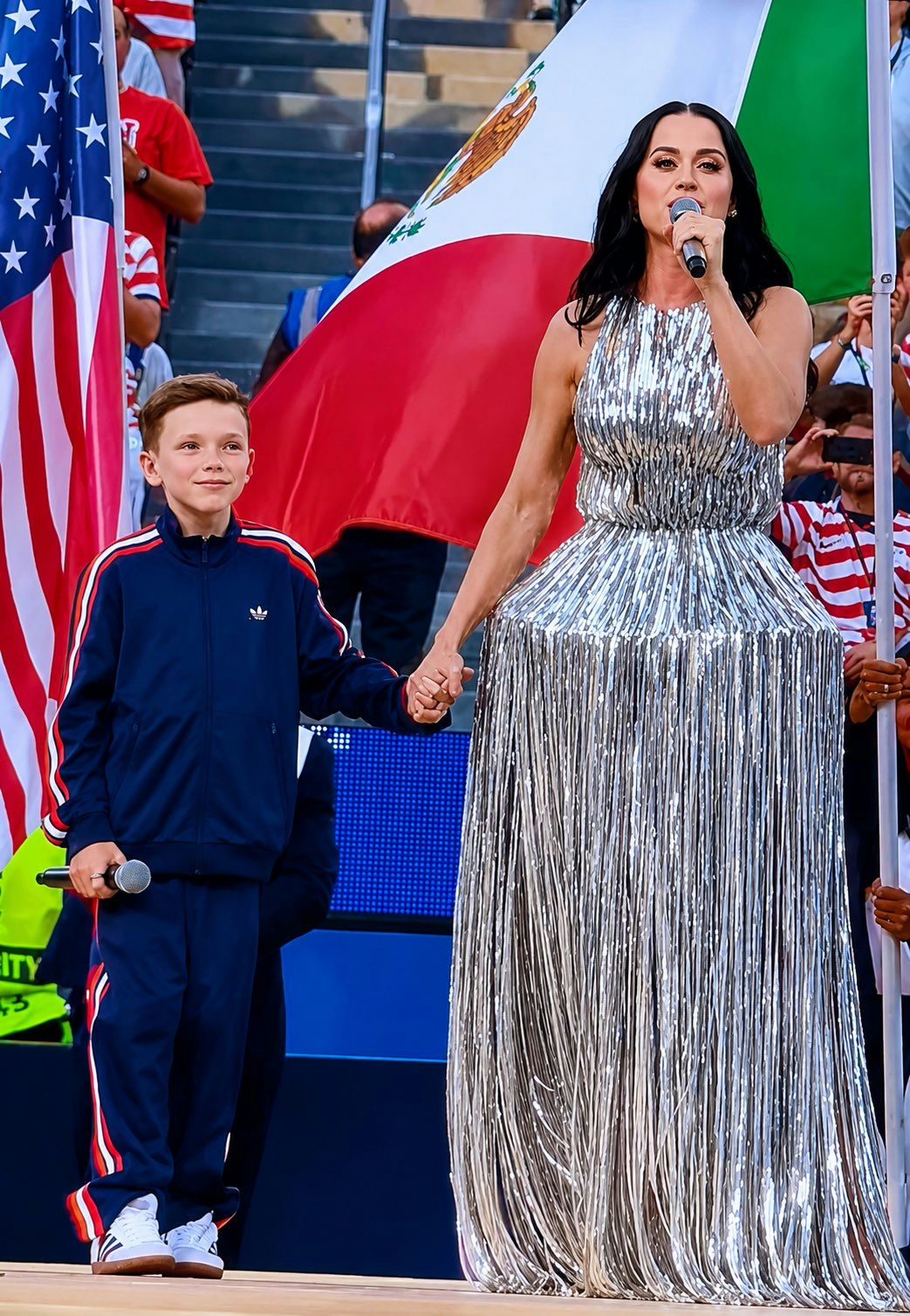
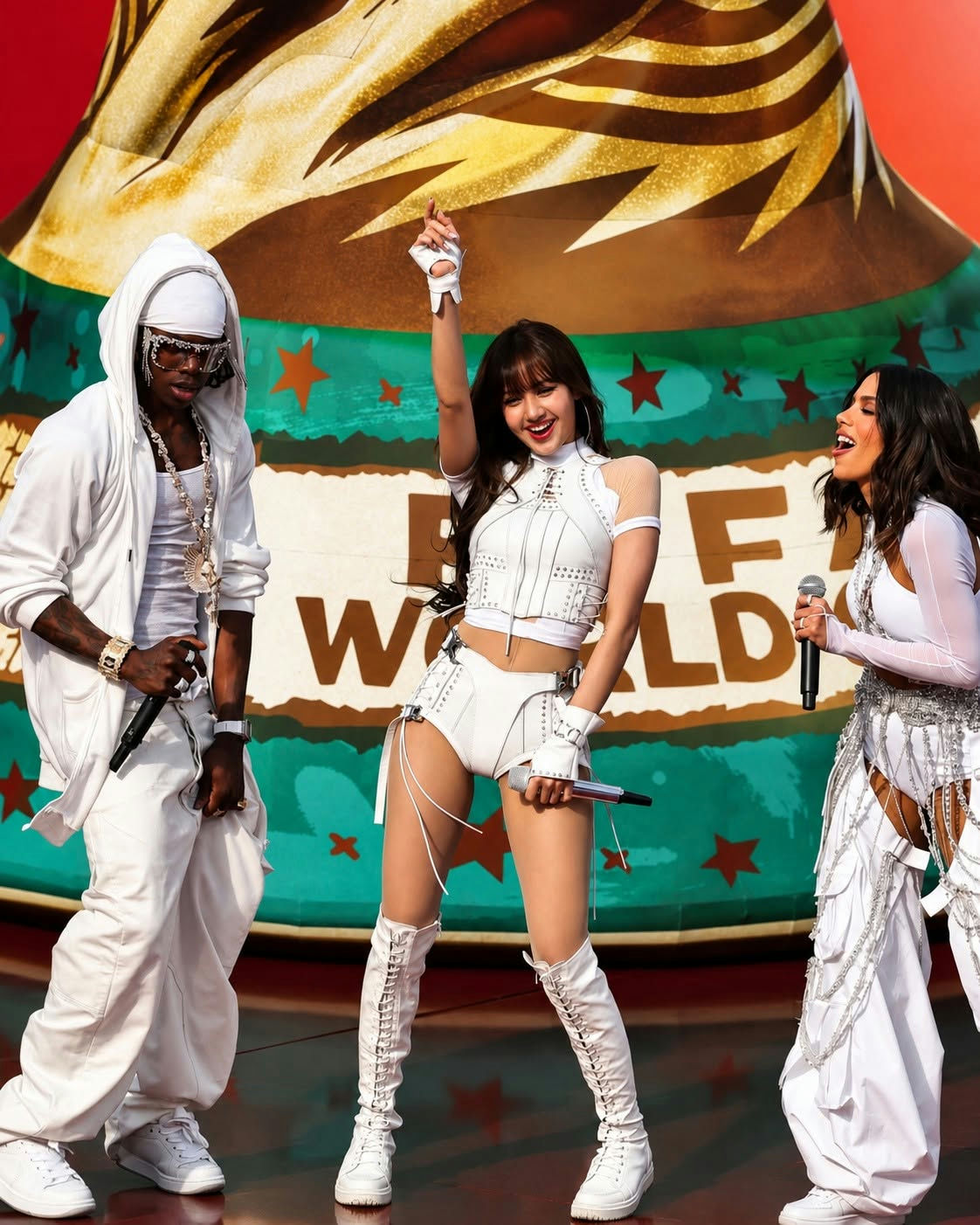
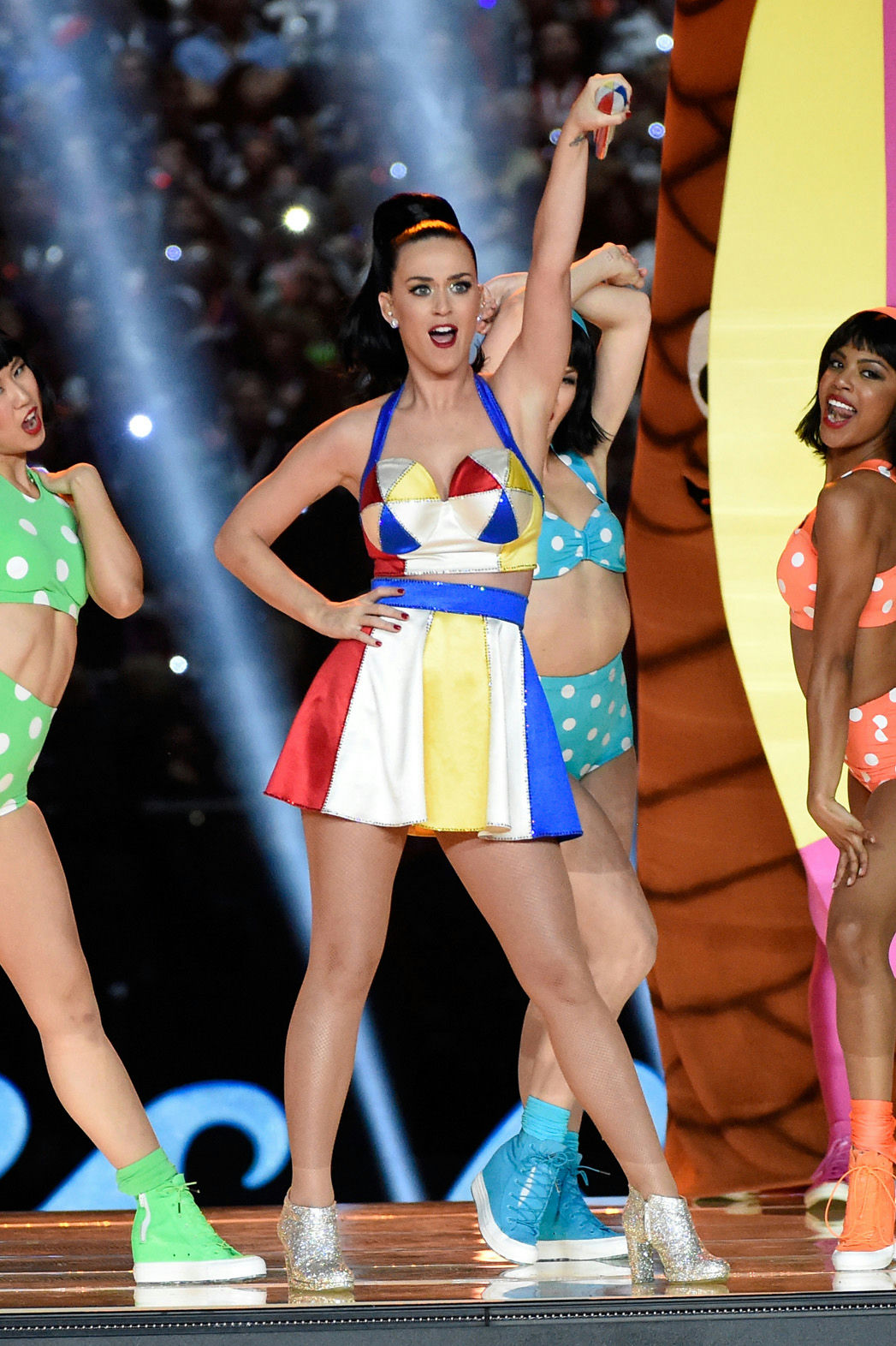
In Canada, prominent representatives of the country’s music scene, including Alanis Morissette, Michael Bublé, and Alessia Cara, appeared in several major performances. Over in the United States, Los Angeles’ SoFi Stadium welcomed stars such as Katy Perry, Lisa of BLACKPINK, Tyla, and Future, showcasing an impressive mix of artists dominating today’s music industry.
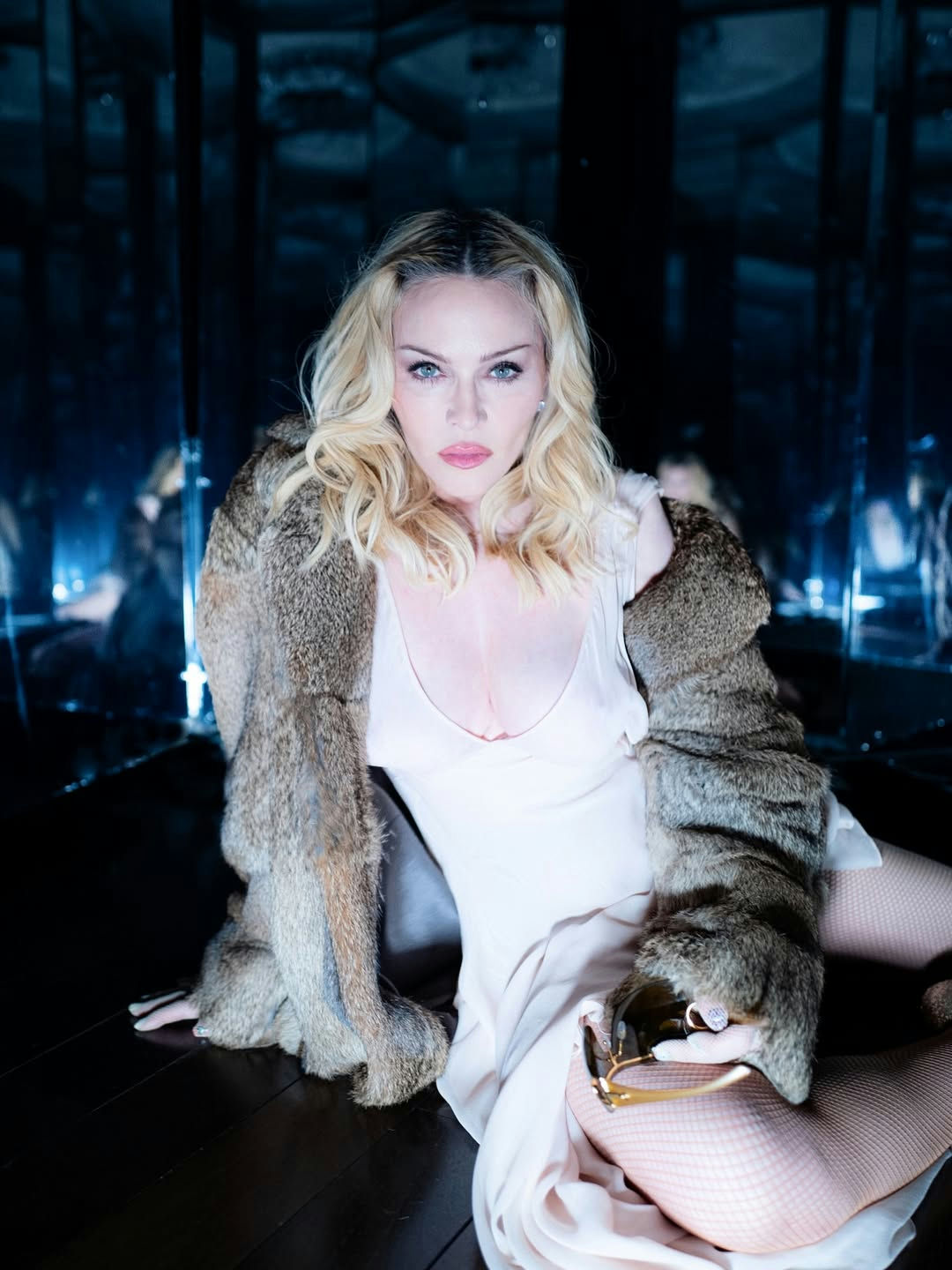
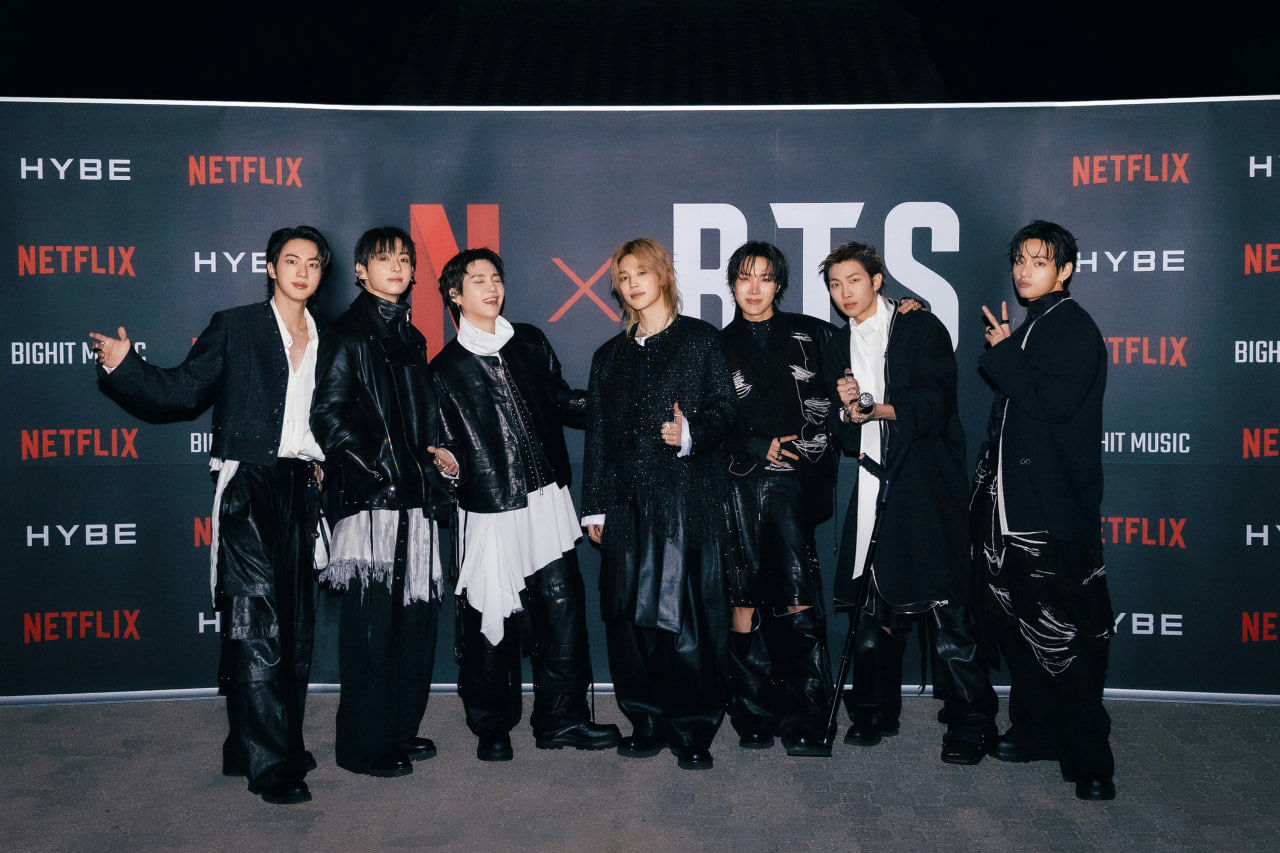
Most notably, World Cup 2026 has become the first tournament in history to adopt a halftime show format for the final, similar to the Super Bowl. Scheduled for July 19, 2026, at MetLife Stadium, the championship match is expected to feature three globally iconic acts: Madonna, Shakira, and BTS. FIFA reportedly collaborated with Coldplay frontman Chris Martin to help shape the artistic vision and coordinate the lineup.
The star-studded roster has naturally raised one major question among fans: How much did FIFA pay these music superstars to deliver performances that resemble international concerts during the world’s biggest football event?
The curiosity has only intensified because FIFA is known for investing heavily in each World Cup. With the tournament expanding from 32 to 48 teams, commercial revenue for World Cup 2026 has reportedly surged. FIFA has increased the total financial distribution fund for participating teams to $871 million, nearly double the $440 million allocated during the 2022 World Cup.
In particular, the tournament champion will reportedly receive $50 million in prize money. That figure could even climb to roughly $53 million when additional tournament-related financial allocations are included, making it the highest World Cup championship prize in history.

Yet while team payouts are openly disclosed, compensation for performing artists remains a mystery. Neither FIFA nor representatives for the artists have released official information regarding appearance fees for World Cup 2026 performances. Even stars known for commanding some of the highest concert fees globally, including Shakira, Katy Perry, and Lisa, have remained silent on whether they are receiving payment for their participation.
According to many entertainment industry analysts, there is a strong possibility that World Cup performers are not directly paid by FIFA. The model would mirror the famous Super Bowl Halftime Show, where headline performers traditionally receive no direct performance fee. Instead, artists benefit from massive promotional exposure by appearing before hundreds of millions of viewers worldwide.
For the World Cup, the media impact could be even greater given its status as the most widely watched sporting event on the planet. Just a few minutes on the opening ceremony or final stage can dramatically increase streaming numbers, global visibility, commercial appeal, and future endorsement opportunities for artists.
Because of this, many experts predict that FIFA may cover production costs, travel expenses, logistics, and special contractual terms, while direct appearance fees could remain at zero much like the Super Bowl model. For now, the actual amount earned by Lisa, Katy Perry, Shakira, and other performers at World Cup 2026 remains an unanswered mystery. What is certain, however, is that the tournament has provided these artists with one of the most powerful global stages imaginable and in many cases, the promotional value of performing for millions may ultimately outweigh any paycheck.
Sources: K14
You must be logged in to post a comment.