
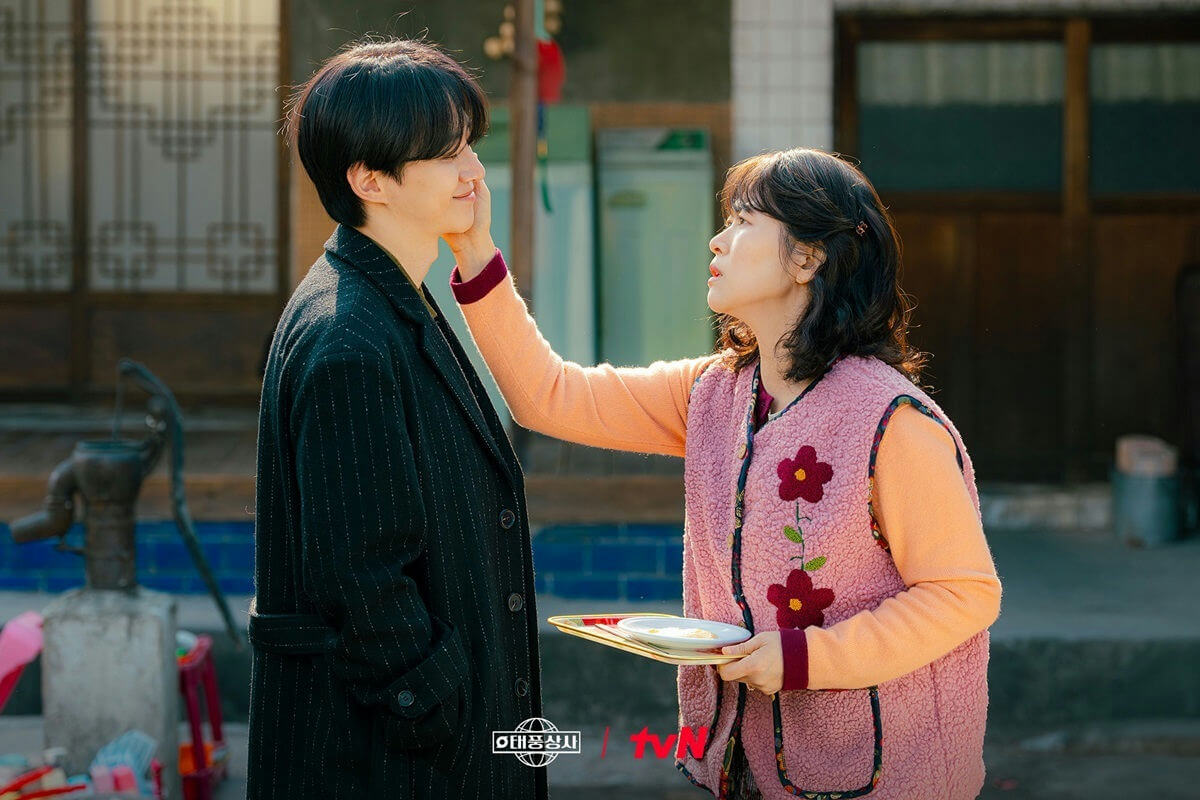
With a promising start, Typhoon Family could have ended on a much higher note had it not fallen into predictable tropes that wore down the audience’s patience. This tvN drama, directed by Lee Na Jeong and Kim Donghwi, centers on the turbulent coming-of-age story of Kang Tae Poong (played by Lee Junho) set against the backdrop of the 1997 Asian financial crisis. Opposite him, Kim Min Ha portrays Oh Mi Seon, a resilient and principled bookkeeper navigating a collapsing economy.
One of the show’s most lauded features is its vivid recreation of late-90s Korea, from the simple household objects to the intimate portraits of failing small businesses. The series kicked off with an impressive nationwide average rating of 5.9%, peaking at 7.1% — the highest for tvN weekend dramas in 2025. However, this momentum quickly waned as the plot succumbed to repetitive conflict patterns and emotionally stagnant arcs, eroding the audience’s anticipation.
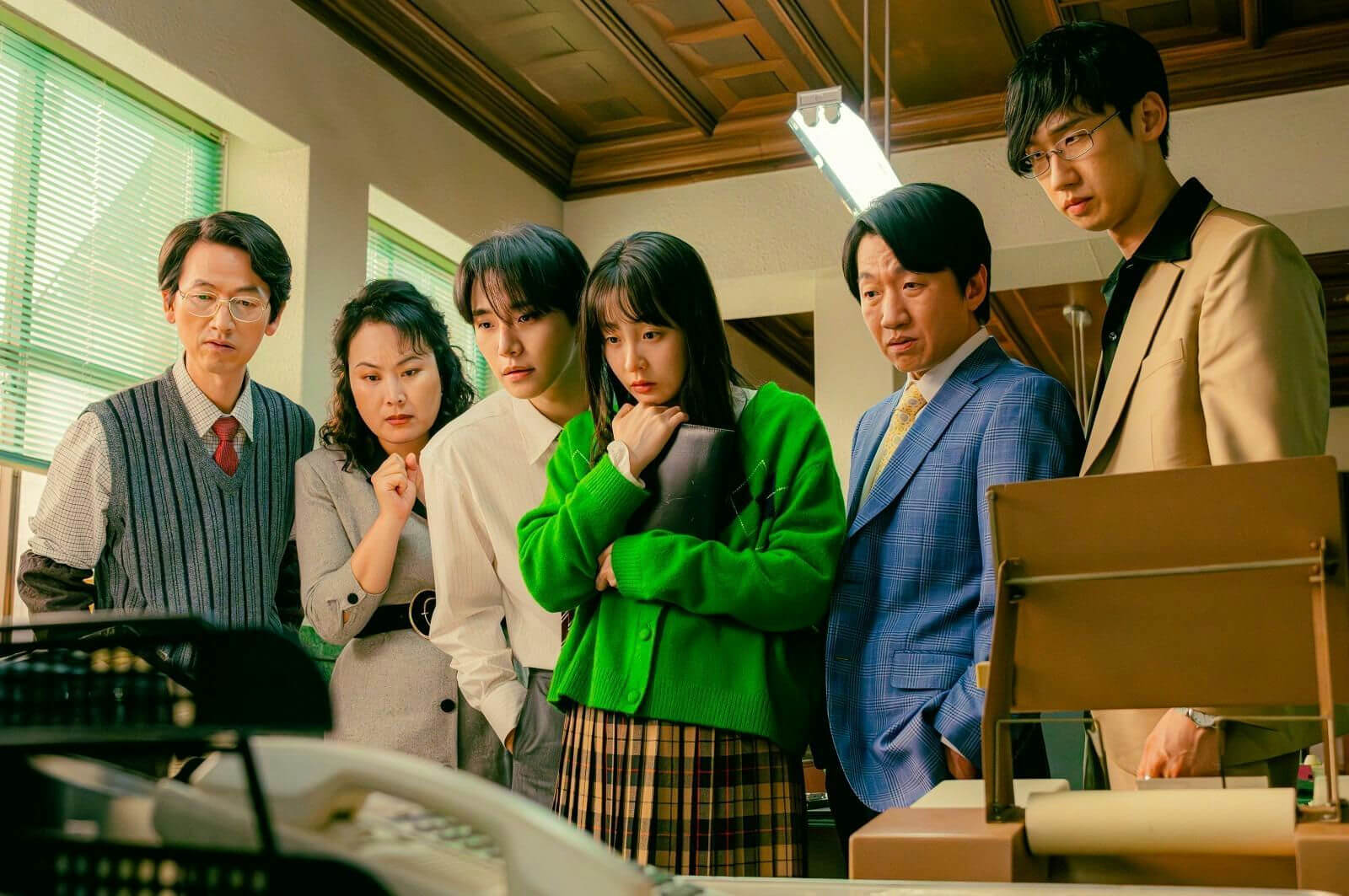
The early episodes stood out for their well-paced storytelling, effectively capturing the stark shift in Kang Tae Poong’s lifestyle from carefree youth to a man thrust into adversity. The economic backdrop provided fertile ground for family and social drama, painting a realistic image of workers clinging to unpaid jobs and families on the verge of homelessness. Tae Poong’s evolution was initially compelling, as each challenge seemed to awaken hidden strengths and emotional layers.
However, the deeper the show delved into character arcs, the more it struggled to sustain tension. Conflicts felt recycled, stakes didn’t escalate meaningfully, and solutions became predictable. The potential depth offered by subplots including those involving antagonists was undermined by shallow resolutions. The repetition of similar corporate struggles and redundant arguments diluted the narrative, leaving it meandering and emotionally flat.

Despite these flaws, the performances of Lee Junho and Kim Min Ha remained standout elements. Lee Junho convincingly depicted the nuanced transformation of Tae Poong, especially in scenes grappling with grief and pressure. His dynamic expressions and emotional timing anchored the show’s core even when the script faltered.
Kim Min Ha’s portrayal of Mi Seon provided a grounded counterbalance. Her performance was understated yet deeply resonant, channeling the ethos of the late 1990s with minimalistic gestures and well-calibrated dialogue. However, while the bond between Mi Seon and Tae Poong retained warmth, it lacked the emotional spark many viewers hoped for. Their chemistry, hampered partly by an evident age gap, occasionally felt forced rather than fluid.

Another sore point was Kim Min Ha’s character styling, which drew criticism for appearing mismatched beside Lee Junho. While this didn’t significantly hinder their acting, it affected the believability of their pairing.
Nevertheless, the emotional sincerity brought by both leads helped Typhoon Family avoid complete disappointment. Supporting actors such as Sung Dong Il, Kim Min Seok, Mu Jin Sung, Kim Sang Ho, and Park Sung Yeon also enriched the narrative, giving life to its secondary threads.

Rating: 3/5
Typhoon Family had all the ingredients for a standout drama an evocative setting, emotionally ripe characters, and a strong opening but lacked the narrative boldness to fulfill its early promise. It’s a drama that evokes both appreciation and regret: worth watching for the performances, but unlikely to leave a lasting mark as one of the year’s most memorable works.
Sources: K14
You must be logged in to post a comment.