
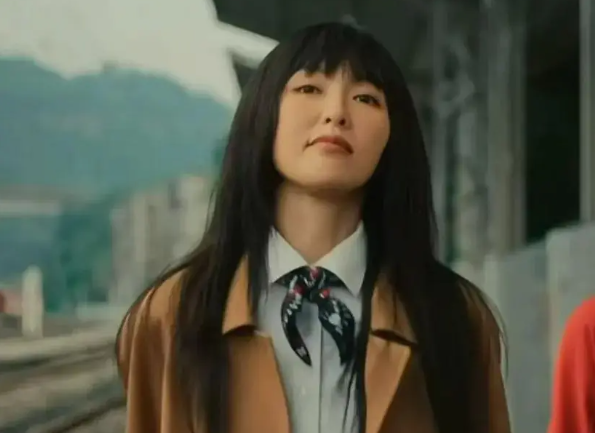
Tiffany Tang’s highly anticipated return to television at the end of the year has taken an unexpected turn, as her special appearance in a new psychological crime drama has triggered widespread backlash and heated online debate. What was meant to be a bold comeback instead placed the actress at the center of controversy, with early promotional materials drawing far more criticism than praise.
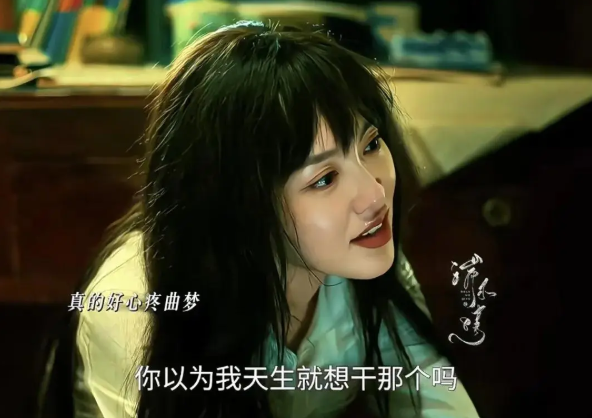
Shortly after the drama aired, trailers and promotional clips featuring Tiffany Tang flooded social media. Rather than focusing on her acting, much of the discussion fixated on her appearance. Viewers criticized her wig as stiff and unnatural, while others pointed out that her facial features appeared swollen and rigid, creating an overall impression many found unrefined. Some harsh comments went as far as comparing her look to exaggerated cross-dressing styles, while others claimed she resembled a wide-eyed version of Angelababy in both expression and demeanor.
The negative response quickly snowballed. Even as fans attempted to defend her in comment sections, the overall sentiment remained difficult to reverse. Some argued that aging and natural facial changes are unavoidable, but suggested that repeated use of ill-fitting wigs only amplified perceived flaws. Others urged viewers to judge her performance within the full narrative and motion of the drama, rather than isolated still frames, but such voices were largely drowned out.
In response to mounting criticism, supporters shared selected clips highlighting what they believed were Tiffany Tang’s strongest acting moments. However, removed from the broader storyline and character development, these excerpts failed to sway public opinion. Attention remained fixed on her styling and visuals rather than the character’s emotional depth, rendering efforts to salvage her image largely ineffective.

Controversy deepened when questions arose over cast billing. Although Tiffany Tang was officially introduced as making a “special appearance,” her name appeared second in the end credits—immediately after the male lead and ahead of both veteran actor Wang Jingchun and female lead Ma Sichun. Many viewers argued that this ranking was unjustified, given her limited screen time and supporting role in the story.
When it was later revealed that the cast order had been quietly adjusted overnight, debate intensified. Even after revisions, the fact that a cameo role appeared ahead of two principal actors labeled as “leading cast” sparked accusations of unfair recognition. Public sympathy largely leaned toward Ma Sichun, with many stating that being overshadowed by a high-profile guest appearance was unacceptable regardless of star power.
Tiffany Tang’s own fans also expressed frustration, directing criticism toward the production team. Some accused the drama of exploiting her name for publicity while failing to consider the consequences of its promotional strategy. In reality, her character does not appear in the early episodes, yet brief teaser clips effectively revealed much of the character’s arc. Rather than building anticipation, the marketing drew attention almost exclusively to her disputed styling, leaving little room for audiences to appreciate the role itself.

The situation underscores the risks A-list stars face when taking on cameo roles in television dramas. Even with limited screen time, high visibility invites intense scrutiny. When a production lacks sufficient narrative strength to support such choices, issues ranging from styling and performance to billing order can become magnified. Tiffany Tang’s controversial return ultimately reflects not a single misstep, but the combined impact of marketing decisions, visual presentation, and the heightened expectations that come with a familiar and influential name.
You must be logged in to post a comment.