

The Korean blockbuster film The Man Who Lives with the King has recently become the center of controversy after allegations emerged that the story may resemble an earlier screenplay written by a late playwright.
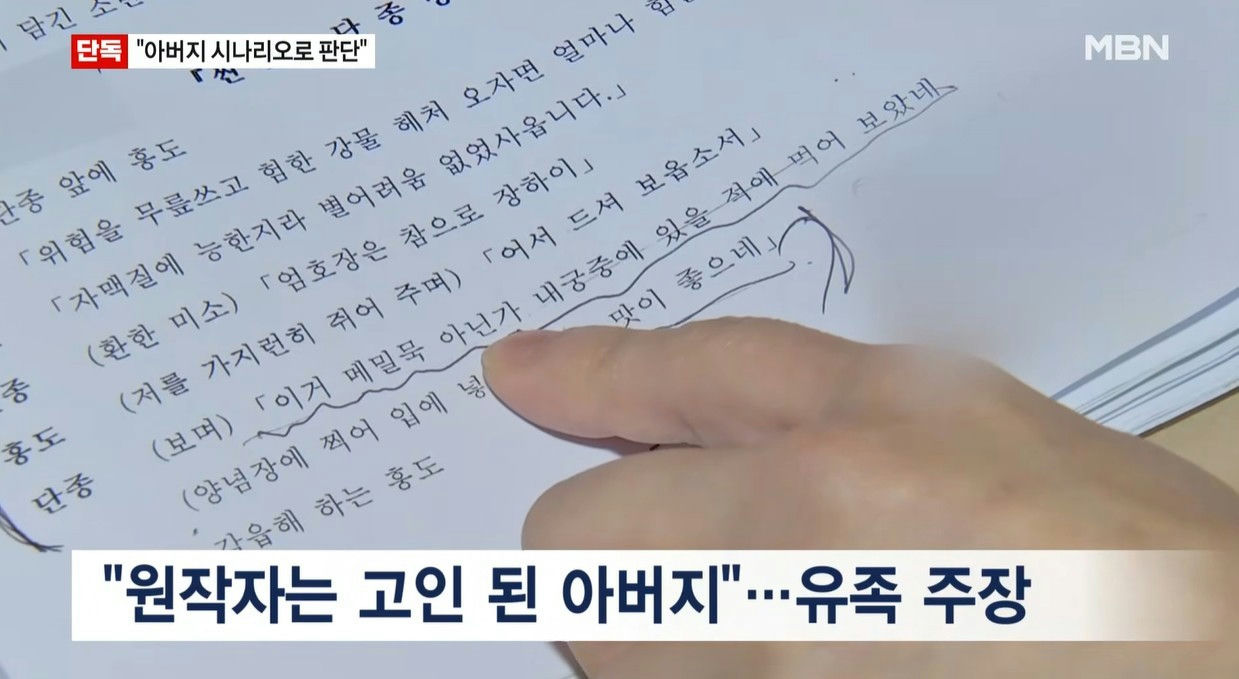
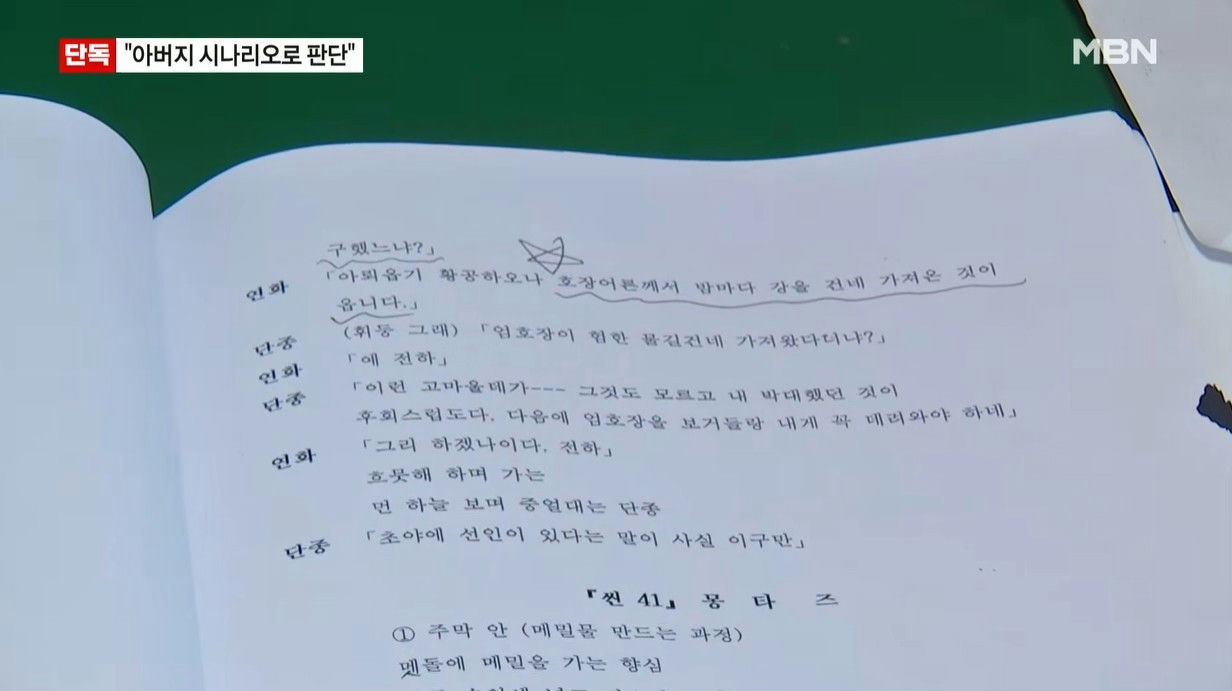
According to reports, the family of a theater actor surnamed Um—who passed away in 2019—claimed that the film bears notable similarities to a script he wrote in the early 2000s titled Um Heung-do. The script reportedly focused on the story of King Danjong during his exile in Yeongwol, where he forms a connection with the village chief Eom Heung-do.

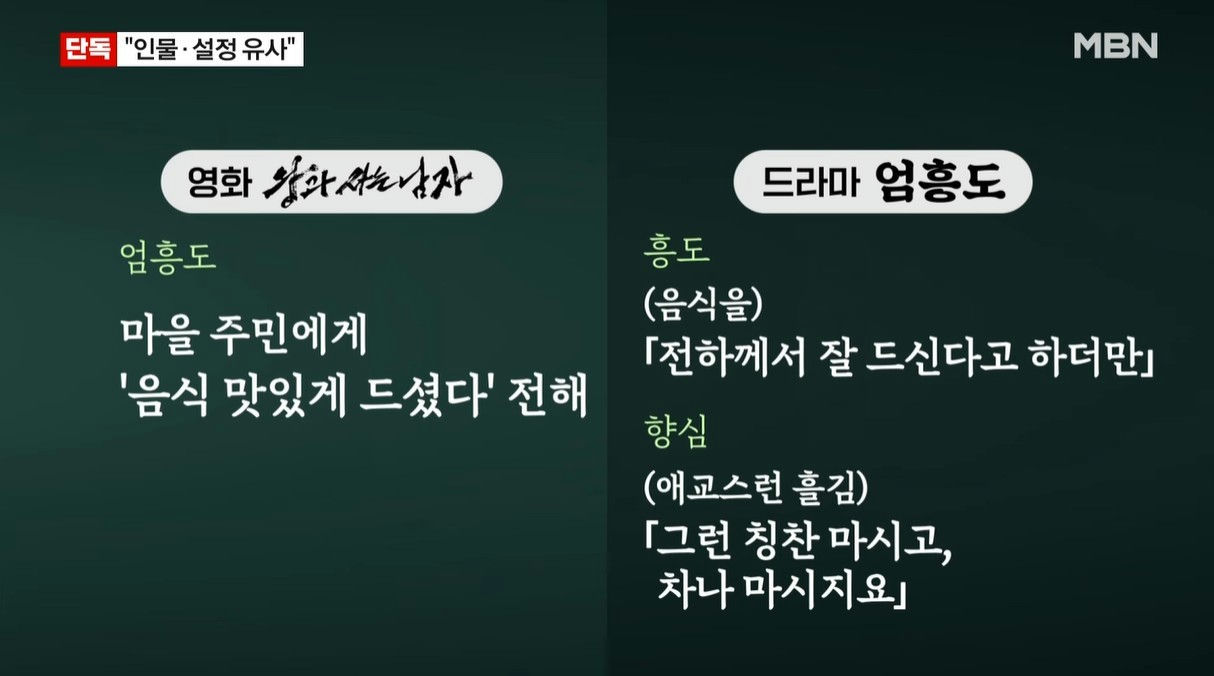
The premise closely resembles the narrative portrayed in The Man Who Lives with the King, which also centers on the young king’s exile and his relationship with the local villagers during his final years.
According to the family, people around them began raising questions after watching the movie, suggesting the storyline looked similar to the script written by the deceased playwright. The family later watched the film themselves and said the resemblance became increasingly noticeable.
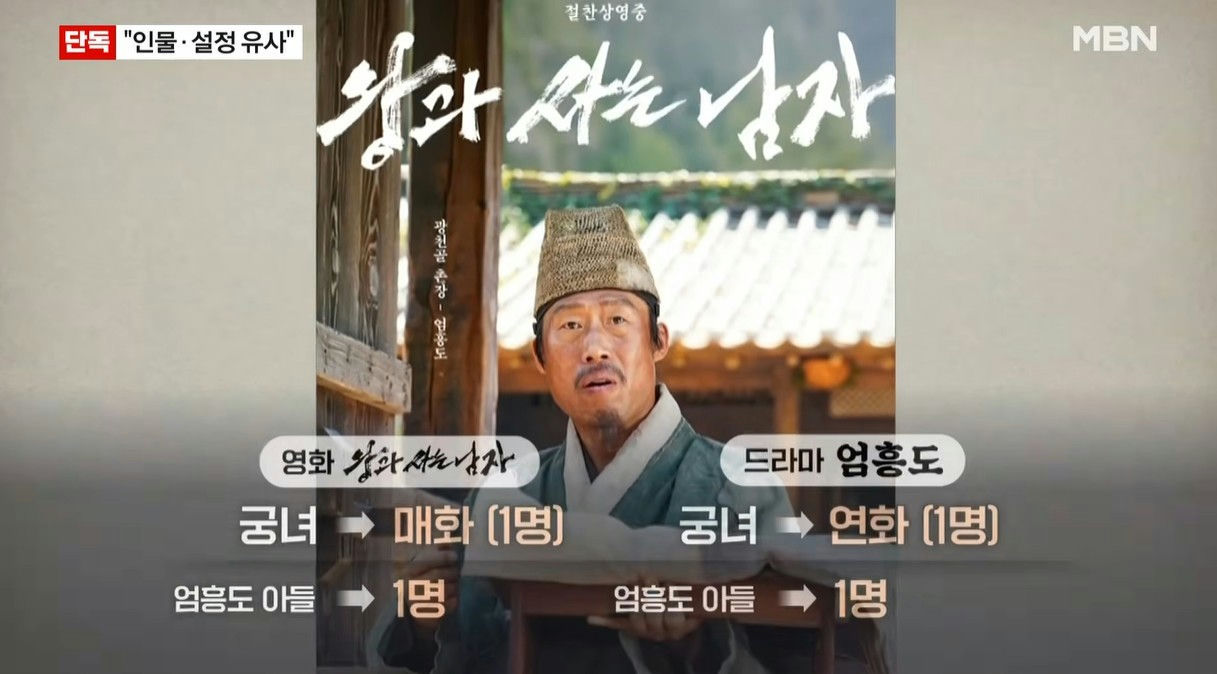
In an interview, the family explained that acquaintances asked whether the film might actually be based on the late writer’s work. As they continued watching, they felt that many elements seemed reminiscent of his original script.
The family has reportedly sent a formal document requesting the production company to clarify the creative process behind the film and disclose the sources used in developing the screenplay.
Official credits for the movie list Jang Hang-jun and writer Hwang Seok-gu as the creators of the script. Director Jang previously mentioned in interviews that the screenplay underwent numerous revisions during development, explaining that the initial draft was rewritten many times throughout production.
However, the film’s production company, OndaWorks, has strongly denied the plagiarism accusations.
In an official statement to the media, the company emphasized that the film is a purely original work based on historical facts. The producers stated that the entire creative process has been thoroughly documented and can be verified if necessary.
The company also noted that because the story involves historical figures and well-known events, similar narrative interpretations may exist. Nevertheless, it insisted that the filmmakers had no exposure to or influence from the alleged script during the planning, development, or production stages.
Furthermore, the producers said they have not received any formal legal notice from the family and warned that they would respond firmly—including through legal procedures—if unfounded plagiarism claims continue to spread.
Despite the controversy, the film has achieved major commercial success. Released in early February, The Man Who Lives with the King surpassed 10 million moviegoers within 31 days, becoming the first film of the year to reach the milestone and later exceeding 11 million admissions.
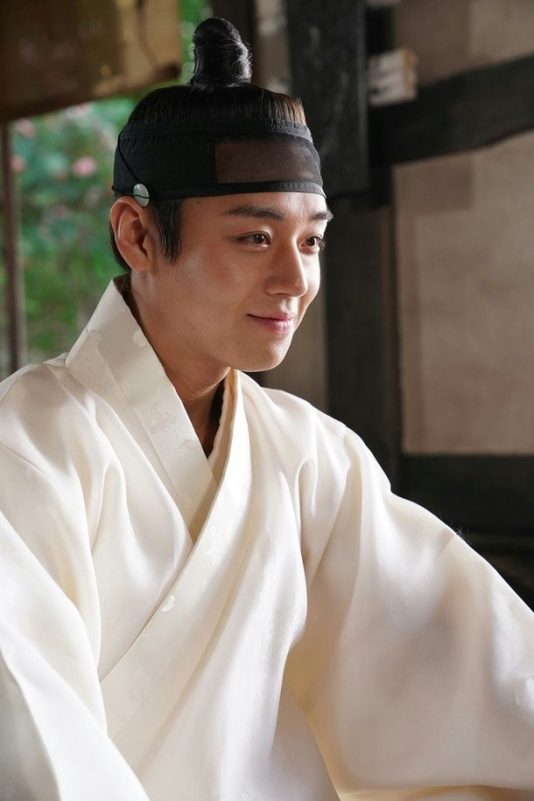
The historical drama tells the story of King Danjong, who was dethroned at the age of 16 and exiled to Yeongwol. During his time there, he forms a bond with the villagers—particularly the local leader Eom Heung-do—offering a more human perspective on one of the tragic figures of the Joseon Dynasty.
As the film continues its successful run in theaters, the debate surrounding its originality is expected to draw increasing attention from both the entertainment industry and the public.
Sources: MBN,Ilgan Sports
You must be logged in to post a comment.