
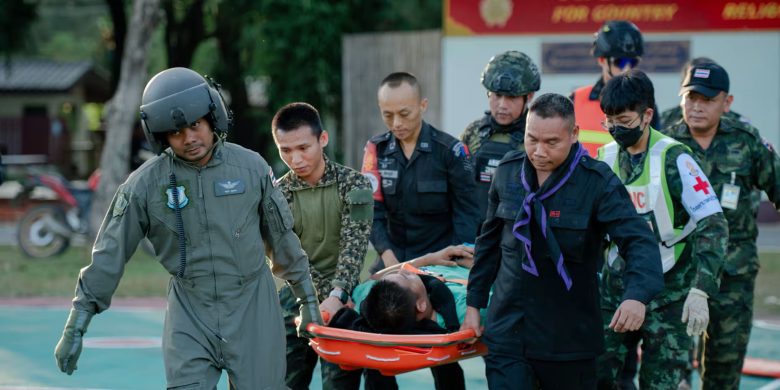

The situation along the Thailand-Cambodia border has once again grown tense as armed clashes erupted and escalated on the morning of December 8. A fragile ceasefire brokered by U.S. President Donald Trump just two months ago now faces imminent collapse.
Airstrikes, Shelling, and Civilian Evacuations
According to the Royal Thai Army, on December 8, Thai fighter jets launched strikes on Cambodian military positions in the provinces of Ubon Ratchathani and Sisaket. The move was framed as retaliation after Cambodian artillery allegedly fired into the Anupong base, killing one Thai soldier and injuring several others, reported The Nation.
Thai authorities further accused Cambodia of using T-55 tanks, drones, heavy machine guns, grenades, and BM-21 rocket launchers to attack several areas, including civilian zones in Buriram and Sisaket.
In contrast, the Cambodian Ministry of Defense denied these allegations, asserting that Thailand was the aggressor, launching initial attacks in Preah Vihear and Oddar Meanchey. Cambodia insisted it had not fired back, as reported by Khmer Times.
As both sides trade blame, civilian life along the border has descended into chaos. Thailand has begun evacuating approximately 385,000 people from its border provinces. In Cambodia, schools have shut down, and images of panicked children and families sheltering in bunkers have gone viral on social media, stirring widespread concern, according to The Telegraph.
If tensions persist, the lives of hundreds of thousands in the border region will remain at risk, caught in the crossfire.
Diplomatic Efforts Under Pressure
Analysts note that this is the most dangerous escalation since July 2025. The flare-up of old disputes, deep-rooted mistrust, and a flurry of military maneuvers have reignited the flames of war.
With fighter jets now in use, the situation has clearly intensified. Although Cambodia maintains it has not retaliated, the threat of wider conflict is real especially with both nations insisting the other fired first, as DW highlights.
Malaysian Prime Minister Anwar Ibrahim has urged “maximum restraint” and expressed readiness to mediate talks once more, Reuters reported. Malaysia played a key role in previous peace negotiations.
The Trump-brokered ceasefire, already fragile, may become irrelevant if the fighting continues. While Washington might be compelled to intervene more assertively, both Bangkok and Phnom Penh are wary of appearing dependent on external influence, The Washington Post noted.
With heavy weapons deployed, mutual accusations flying, and civilians in distress, only strong diplomatic channels can prevent a new cycle of violence.
Root Causes of the Renewed Conflict
The core tension lies in the nearly 800 km border, much of which cuts through sparsely populated forests and ancient temple sites from the Khmer and Siam civilizations.
A key flashpoint is the area surrounding Preah Vihear. Though the International Court of Justice (ICJ) awarded the temple to Cambodia in 1962, Thailand disputes the interpretation of a 1907 French-drawn map, fueling differing views of the actual boundary.
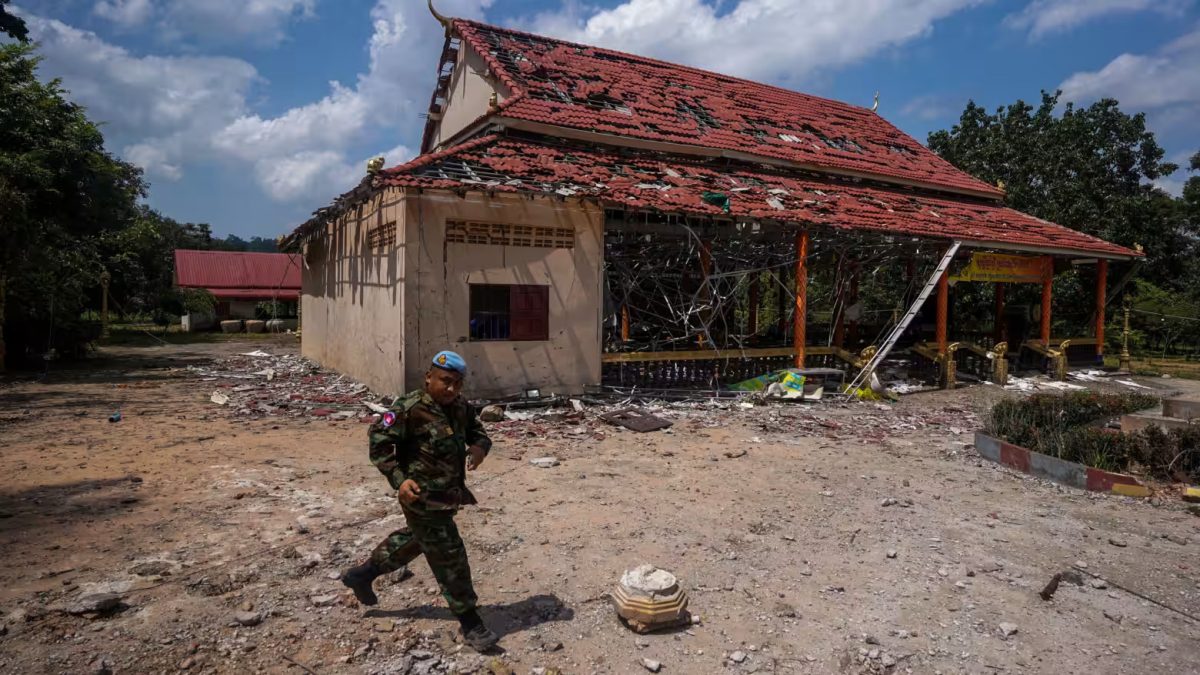
In July 2025, five days of intense fighting killed around 40 people and displaced over 300,000, according to CNN. Under pressure from Trump and with Malaysia mediating, the two sides signed the Kuala Lumpur Peace Declaration in late October.
However, just two weeks after the signing, Thailand suspended the agreement following a mine explosion that injured several soldiers. Bangkok blamed Phnom Penh for planting new mines, a claim Cambodia denied, asserting its full compliance with the deal.
By early December, tension reignited as both nations accused each other of troop buildups and provocations. Thailand reported destroying a cable car used by Cambodia near the ancient Ta Khwai temple to transport weapons.
Sources: Znews
You must be logged in to post a comment.