

In 2007, a then-unknown 22-year-old actress named Tang Wei stepped into the spotlight in Ang Lee’s Lust, Caution and immediately became one of the most controversial figures in Asian cinema.
The film, a psychological espionage drama laced with explicit scenes, earned critical acclaim and the Golden Lion at the Venice Film Festival. But while the director Ang Lee was celebrated, Tang Wei bore the brunt of backlash. The intense sexual content, though essential to the story, led to Tang being labeled “a stain on Chinese cinema.” She was blacklisted, cut from advertisements, and barred from public media for years.
“She Has Eyes That Tell Stories”
Ang Lee reportedly auditioned dozens of actresses, including top-tier stars like Zhang Ziyi. But it was Tang Wei, a senior at the Beijing Film Academy, who caught his attention. “There was something strange in her eyes loneliness and determination,” he said. Her simple white T-shirt and jeans belied the depth he saw in her gaze. That depth, he believed, would carry the emotional weight of Wang Jiazhi — a young student who infiltrates a traitor’s circle and falls into a morally complex affair.
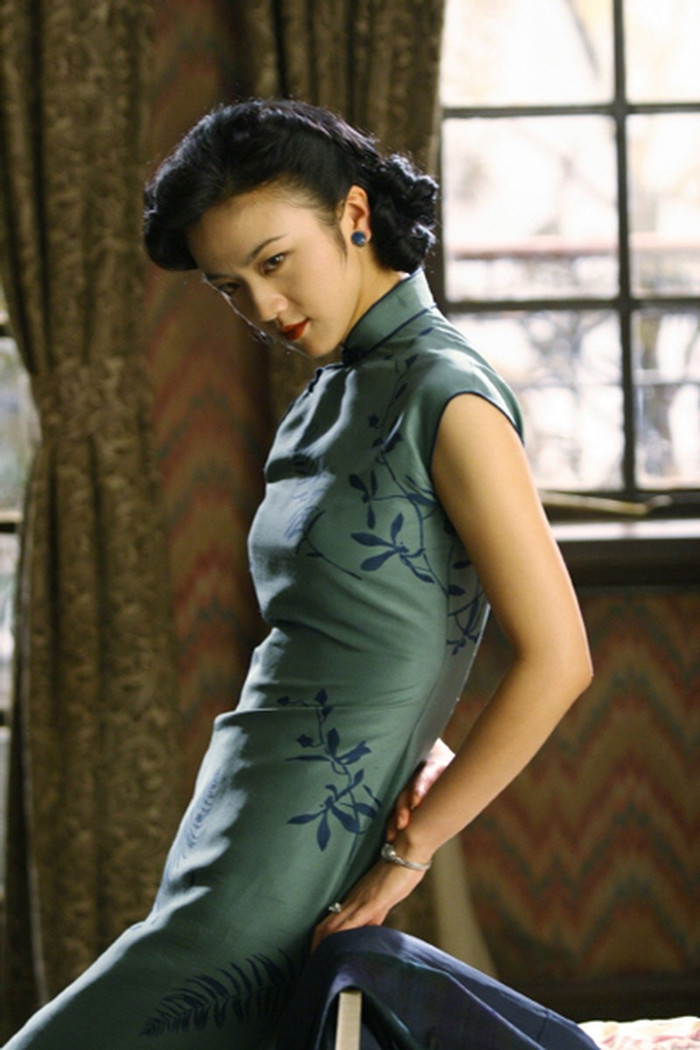
Tang didn’t just act the role she lived it. She underwent months of rigorous training: walking in heels, adapting to 1940s mannerisms, and psychologically immersing herself in the duality of love and espionage. On set, Lee pushed her to her limits — having her stand on a cold balcony to capture a natural shiver, or repeat crying scenes until her eyes swelled shut. One crew member recalled her sitting silently in a corner, feet bruised from heels, saying, “I’m not good enough yet for the audience to believe she truly loves him.“
Vilified for Art
Upon release, Lust, Caution split audiences. While Western critics praised its artistry, the explicit scenes sparked outrage across conservative circles in China. Tang Wei’s performance raw, vulnerable, and fearless was overshadowed by moral criticism. Unlike her male co-star Tony Leung, who emerged unscathed, Tang faced what many described as a cultural “witch hunt.” She was banned from TV appearances, lost all endorsement deals, and faded from the screen.
Tang never responded publicly. Instead, she left for the UK, studying English and painting quietly rebuilding herself.
Resurgence and Respect
Her true comeback came in 2010 with Late Autumn, a Korean film that earned her the Best Actress award at the Busan International Film Festival. From there, she starred in critically acclaimed works like The Golden Era, The Assassin, and Decision to Leave. Each role solidified her transformation into a revered figure in Asian cinema known not for scandal, but for depth, nuance, and grace.
Ang Lee once said, “Tang Wei doesn’t act the role she lives it. She performs not with skill, but with her soul.“
Legacy at 43
Now 43, Tang Wei is happily married with a daughter and a decorated career. But her most powerful legacy lies in the sacrifice she made at 22 giving her youth, vulnerability, and reputation to a character she believed in. Today, Lust, Caution is seen not for its scandal, but for the bravery of a young actress who chose truth over safety, art over comfort.
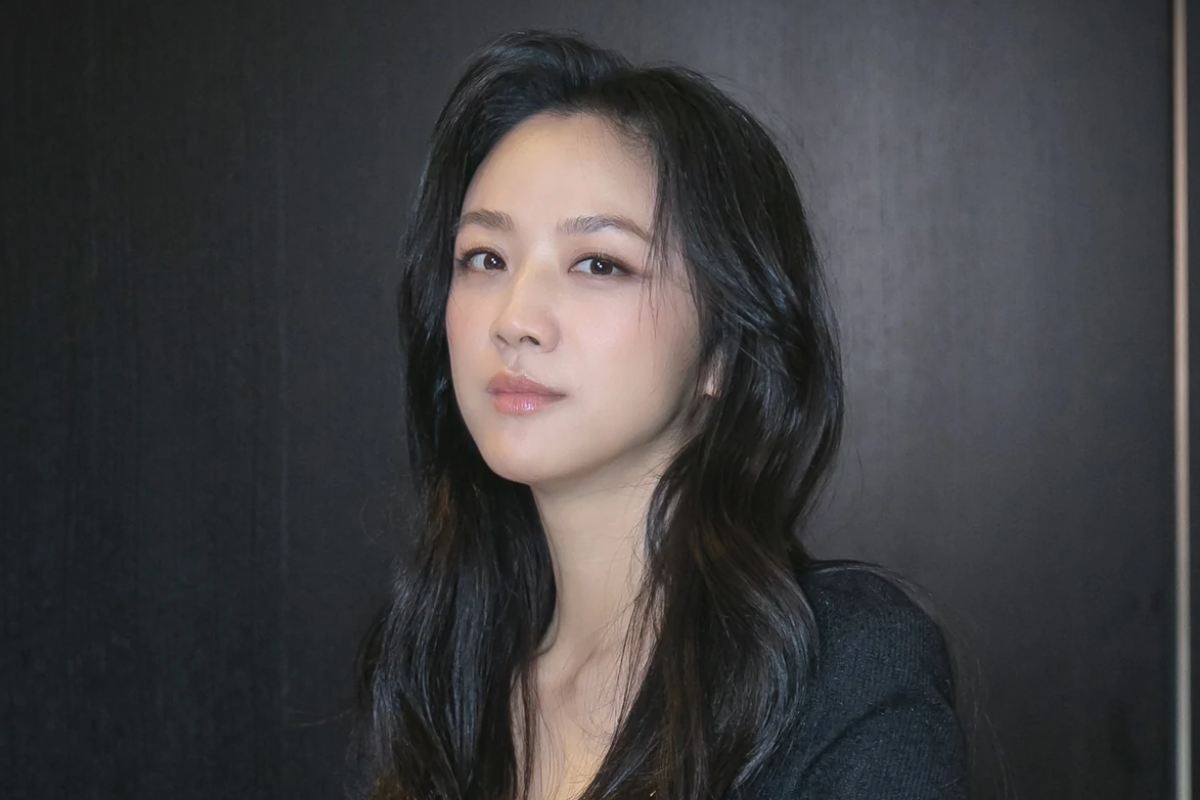
“I don’t feel hurt,” she once said. “Actors are born to live the lives of others. Time will restore justice for me.“
From obscurity to icon, Tang Wei’s story is no longer one of scandal — but one of strength. And perhaps, that is the most beautiful scene she’s ever delivered.
Sources: K14
You must be logged in to post a comment.