
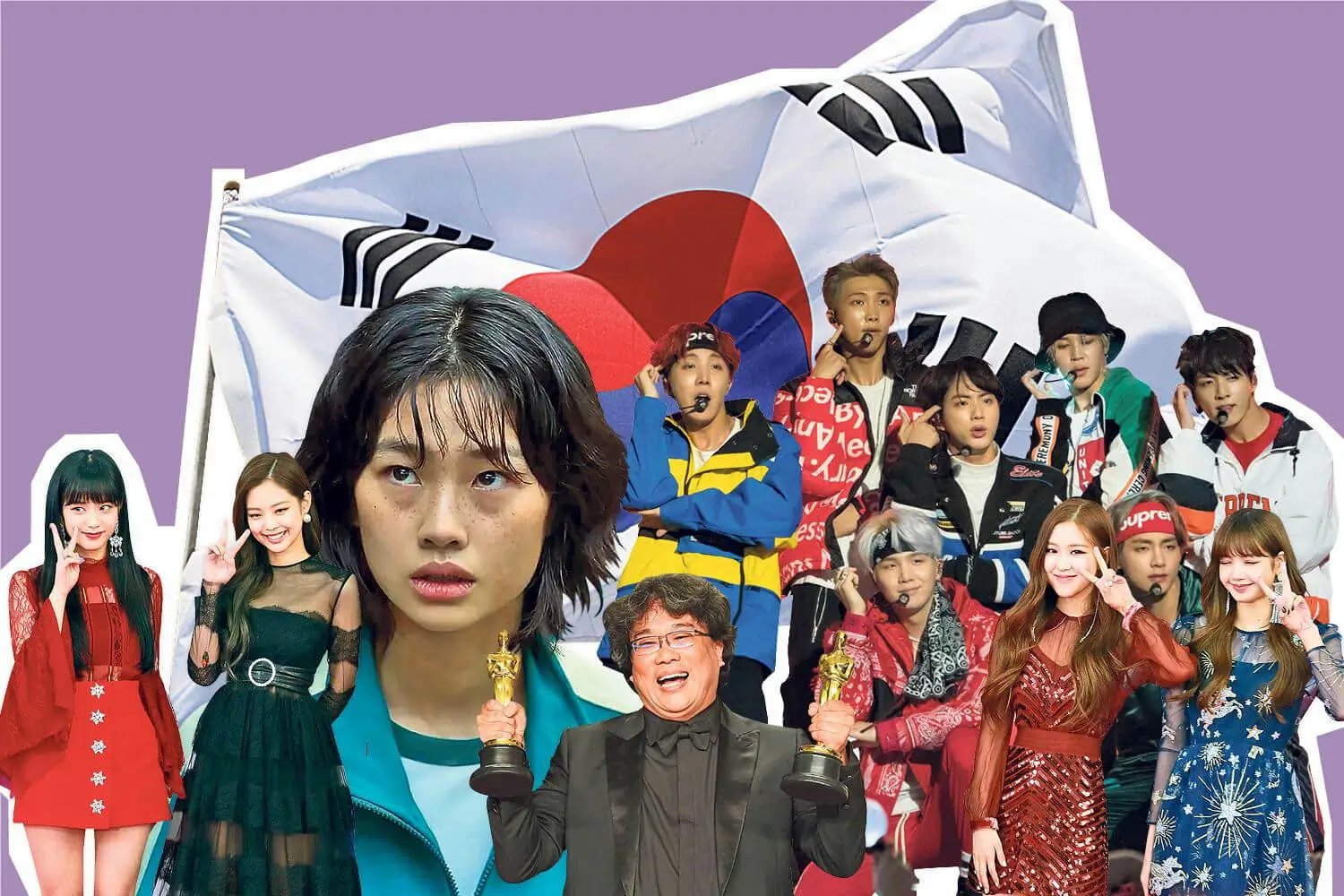
From the ruins of war and the brink of economic collapse, South Korea has risen to become one of the world’s most influential cultural forces — a transformation that is as strategic as it is remarkable.
In 1960, South Korea was one of Asia’s poorest nations, with a per capita GDP of under $100 and a global image tied to instability and poverty. By 2022, according to the World Bank, it had become the 10th-largest economy with a GDP of $1.741 trillion and a per capita GDP exceeding $33,700, firmly classified as a developed, high-income country.
Turning Pop Culture into a National Export
Journalist and author Euny Hong, in The Birth of Korean Cool, argues that South Korea’s transformation owes as much to cultural strategy as to industrial growth. The turning point came in the wake of the 1997 Asian financial crisis, known domestically as the “IMF crisis.”
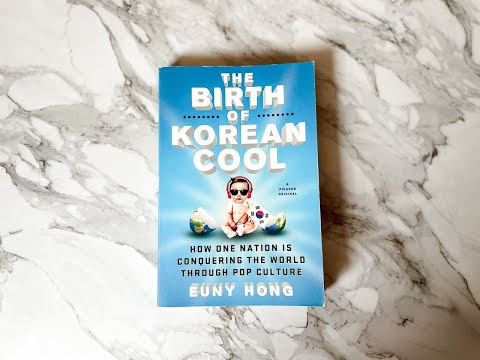
Newly elected President Kim Dae-jung not only sought economic recovery but also a rebranding of the nation’s image. In 1998, he tasked PR expert TH Lee of Edelman Korea with spearheading what Hong describes as “the largest national rebranding campaign in history.”
Rather than hide the crisis, Lee reframed it as proof of South Korea’s resilience, launching Korea: On Course and Open for Business for global investors. This campaign marked the start of a government-backed soft power push that was “unprecedented in world history,” Hong told France24.

Heavy investment in broadband Internet followed, laying the foundation for the rise of K-pop, K-dramas, cinema, and online gaming. The entertainment industry adopted a rigorous “star factory” model, while Korean cuisine, films, and music were deliberately exported with tailored marketing for each target audience. From Oldboy to Parasite, Gangnam Style to BTS, and kimchi to BLACKPINK, South Korea’s cultural exports became global phenomena.
The Costs of “Cool”
While the Korean Wave (Hallyu) has brought billions in export revenue and elevated South Korea’s global image, Hong notes that it also reflects deeper societal pressures. Harsh academic competition, high rates of Internet addiction, and the world’s highest per capita cosmetic surgery rate reveal a culture where beauty and success standards are intense.

Economically, the country remains reliant on chaebols like Samsung and Hyundai, prompting government efforts to promote small and medium-sized enterprises under a “creative economy” initiative — though results have been gradual.
“This is a hard country to live in, and not a healthy environment for mental well-being,” Hong said, adding that South Koreans continue to “work twice as hard to become ‘well-rounded’” despite modern improvements.
From Hallyu to “Permacool”
Still, Hong believes the Korean Wave has moved beyond a passing fad into what she calls “Permacool” — a state where South Korea’s cultural influence sustains itself organically, driven by both government vision and global demand.
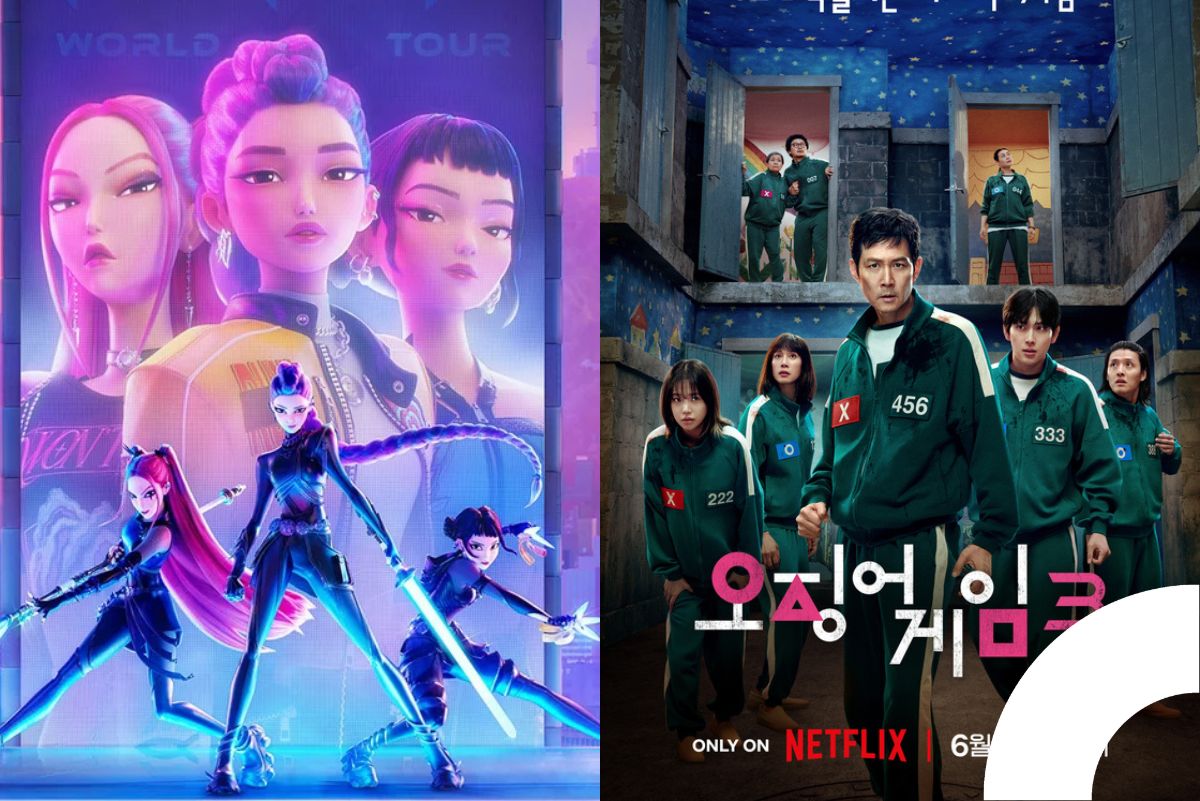
Today, acts like top idols and countless K-drama stars dominate international stages, proving that South Korea’s blend of creativity, discipline, and ambition has secured it a lasting place at the forefront of global culture.
Sources: znews
You must be logged in to post a comment.